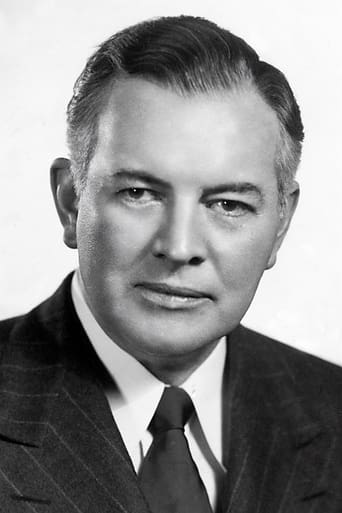
Sidney Blackmer

Acting

Sidney Blackmer

Born July 12, 1895 · Salisbury, North Carolina, USA

Died October 6, 1973 · aged 78

Sidney Alderman Blackmer (13 July 1895 – 6 October 1973) was an American actor. Blackmer was born and raised in Salisbury, North Carolina. He started off in an insurance and financial business but gave up on it. While working as a builder's laborer on a new building, he saw a Pearl White serial being filmed and immediately decided to go into acting. Blackmer went to New York hoping to act on the …

Known For
Rosemary's BabyRosemary's Baby · 1968
Rosemary's Baby
7.81968
MovieDramaHorror
A young couple, Rosemary and Guy, moves into an infamous New York apartment building, known by frightening legends and mysterious events, with the purpose of starting a family.
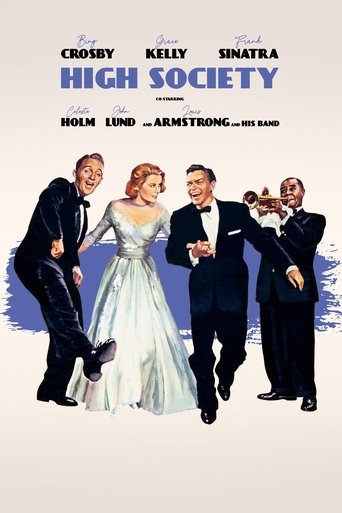
High SocietyHigh Society · 1956
High Society
6.81956
MovieMusicComedy
With socialite Tracy Lord about to remarry, her ex-husband - with the help of a sympathetic reporter - has 48 hours to convince her that she really still loves him.
The High and the MightyThe High and the Mighty · 1954
The High and the Mighty
6.01954
MovieAdventureDrama
Dan Roman is a veteran pilot haunted by a tragic past. Now relegated to second-in-command cockpit assignments he finds himself on a routine Honolulu-to-San Francisco flight - one that takes a terrifying suspense-building turn when disaster strikes high above the Pacific Ocean at the point of no return.
Duel in the SunDuel in the Sun · 1946
Duel in the Sun
6.41946
MovieWesternDrama
Beautiful half-breed Pearl Chavez becomes the ward of her dead father's first love and finds herself torn between her sons, one good and the other bad.
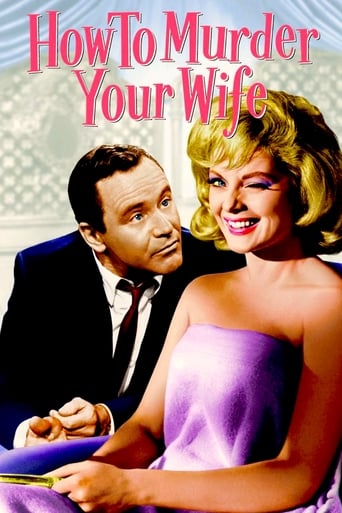
How to Murder Your WifeHow to Murder Your Wife · 1965
How to Murder Your Wife
6.31965
MovieComedy
Stanley Ford is a successful cartoonist and happily single. That is, until he gets drunk at a friend's bachelor party and impulsively proposes to the beautiful woman who pops out of the cake. Once sober, he regrets the decision, but she won't agree to a divorce. Stanley jokingly vents his frustrations in his comic strip by having the main character kill his wife. But when his actual wife goes missing and Stanley is arrested for her murder, he has a change of heart.
Obliging Young LadyObliging Young Lady · 1942
Obliging Young Lady
6.01942
MovieComedyRomance
A woman attempts to shelter a young girl from the publicity surrounding her socialite parents' divorce.
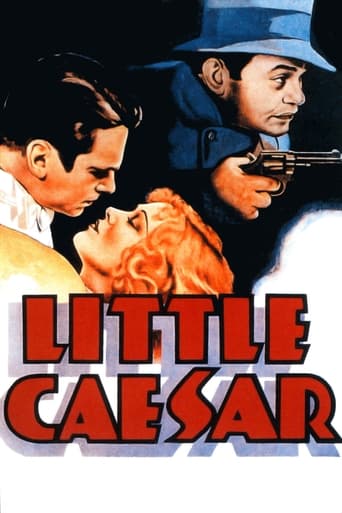
Little CaesarLittle Caesar · 1931
Little Caesar
6.91931
MovieDramaCrime
A small-time hood shoots his way to the top, but how long can he stay there?
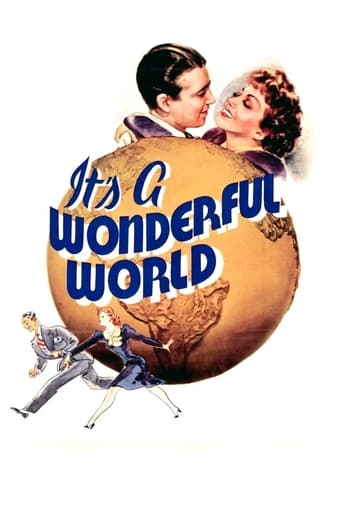
It's a Wonderful WorldIt's a Wonderful World · 1939
It's a Wonderful World
6.51939
MovieComedyRomance
Detective Guy Johnson's client, Willie Heywood, is framed for murder. While Guy hides him so he can catch the real killer, both of them are nabbed by the police, tried, convicted and sentenced to jail: Guy for a year with Willie to be executed. On the way to jail, Guy comes across a clue and escapes from the police.

Filmography

Sort
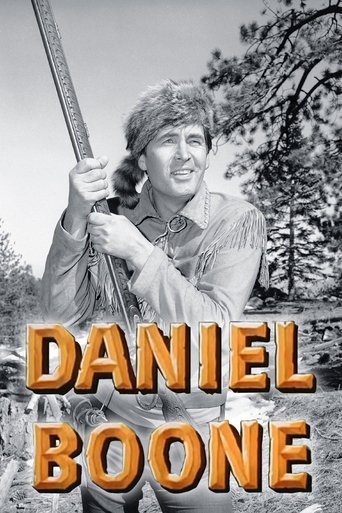
Daniel BooneDaniel Boone · 1964
Daniel Boone
7.01964
SeriesAction & AdventureWestern
Daniel Boone is an American action-adventure television series starring Fess Parker as Daniel Boone that aired from September 24, 1964 to September 10, 1970 on NBC for 165 episodes, and was made by 20th Century Fox Television. Ed Ames co-starred as Mingo, Boone's Cherokee friend, for the first four seasons of the series. Albert Salmi portrayed Boone's companion Yadkin in season one only. Dallas McKennon portrayed innkeeper Cincinnatus. Country Western singer-actor Jimmy Dean was a featured actor as Josh Clements during the 1968–1970 seasons. Actor and former NFL football player Rosey Grier made regular appearances as Gabe Cooper in the 1969 to 1970 season. The show was broadcast "in living color" beginning in fall 1965, the second season, and was shot entirely in California and Kanab, Utah.

Jasper Ledbedder

Matinee TheaterMatinee Theater · 1955
Matinee Theater
5.31955
SeriesDrama
Matinee Theater is an American anthology series that aired on NBC during the Golden Age of Television, from 1955 to 1958. The series, which ran daily in the afternoon, was frequently live. It was produced by Albert McCleery, Darrell Ross, George Cahan and Frank Price with executive producer George Lowther. McCleery had previously produced the live series Cameo Theatre which introduced to television the concept of theater-in-the-round, TV plays staged with minimal sets. Jim Buckley of the Pewter Plough Playhouse recalled: When Al McCleery got back to the States, he originated a most ambitious theatrical TV series for NBC called Matinee Theater: to televise five different stage plays per week live, airing around noon in order to promote color TV to the American housewife as she labored over her ironing. Al was the producer. He hired five directors and five art directors. Richard Bennett, one of our first early presidents of the Pewter Plough Corporation, was one of the directors and I was one of the art directors and, as soon as we were through televising one play, we had lunch and then met to plan next week’s show. That was over 50 years ago, and I’m trying to think; I believe the TV art director is his own set decorator —yes, of course! It had to be, since one of McCleery’s chief claims to favor with the producers was his elimination of the setting per se and simply decorating the scene with a minimum of props. It took a bit of ingenuity.
Lights OutLights Out · 1949
Lights Out
6.01949
SeriesSci-Fi & FantasyCrime
Lights Out was an extremely popular American old-time radio program, an early example of a network series devoted mostly to horror and the supernatural, predating Suspense and Inner Sanctum. Versions of Lights Out aired on different networks, at various times, from January 1934 to the summer of 1947 and the series eventually made the transition to television. In 1946, NBC Television brought Lights Out to TV in a series of four specials, broadcast live and produced by Fred Coe, who also contributed three of the scripts. NBC asked Cooper to write the script for the premiere, "First Person Singular", which is told entirely from the point of view of an unseen murderer who kills his obnoxious wife and winds up being executed. Variety gave this first episode a rave review ("undoubtedly one of the best dramatic shows yet seen on a television screen"), but Lights Out did not become a regular NBC-TV series until 1949.