Acting
Douglass Montgomery
Born October 29, 1907 · Los Angeles, California, USA
Died July 23, 1966 · aged 58
Douglass Montgomery (born Robert Douglass Montgomery) was an American stage, screen, and television actor.
Known For
 The Cat and the Canary · 1939
The Cat and the Canary
★ 6.91939
MovieComedyHorror
A group of potential heirs gather in a forbidding old house to learn which of them will inherit a fortune. Later, they learn that a flesh-rending maniac is loose.
 Waterloo Bridge · 1931
Waterloo Bridge
★ 6.91931
MovieDramaRomance
In WWI London, out-of-work American chorus girl Myra makes ends meet by picking up men on Waterloo Bridge. During a Zeppelin air raid, she meets Roy, a naive young Yank who enlisted in the Canadian army. After they fall for each other, Roy tricks Myra into visiting his family, who live in a country estate outside London, his mother having remarried to a retired British Major. Myra is reluctant to continue the relationship with Roy, he not aware of her past.
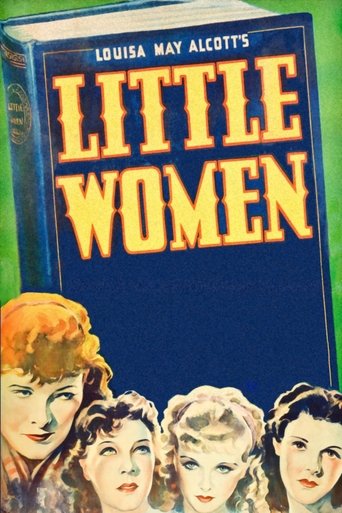 Little Women · 1933
Little Women
★ 6.81933
MovieDramaFamily
Four sisters come of age in America in the aftermath of the Civil War.
 Hollywood on Parade No. B-1 · 1934
Hollywood on Parade No. B-1
★ 7.31934
Movie
Short film in which Frankie Darro as a Telegram delivery boy visits various Hollywood locations to make deliveries. He visits the Los Angeles Pier and a Gala Hollywood Premiere.
 Music in the Air · 1934
Music in the Air
★ 5.61934
MovieComedyRomance
A songwriter's young daughter (June Lang) begins to dream of stardom when she's offered the lead role in a new operetta.
 Eight Girls in a Boat · 1934
Eight Girls in a Boat
★ 10.01934
MovieDrama
In an exclusive Swiss school for young girls, Christa Storm discovers that she is going to have a baby. She keeps the secret from everyone but her boyfriend, chemistry student David Perrin. Having lived in the private school for most of her life, Christa cannot confide in her distant father - and David cannot get his approval to marry her.
 A House Divided · 1931
A House Divided
★ 5.61931
MovieDrama
A New England fisherman's second wife prefers his son.
 Paid · 1930
Paid
★ 6.71930
MovieDramaCrime
Mary Turner gets a three year prison sentence for a crime she didn't commit. Once released, she plots to get back at the man responsible for her conviction.
Filmography
Sort