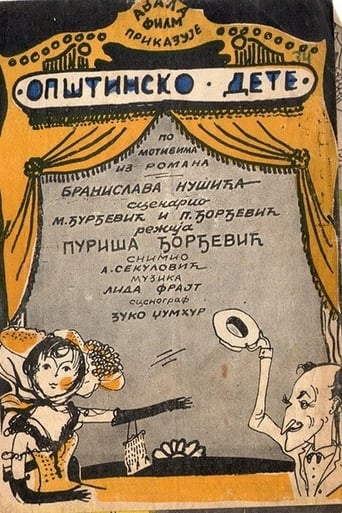
Directing
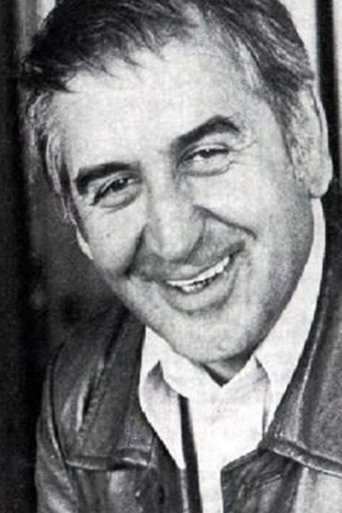
Mladomir 'Puriša' Đorđević
Born May 6, 1924 · Čačak, Yugoslavia [now Serbia]
Died November 23, 2022 · aged 98
Mladomir Puriša Đorđević was a Serbian film director and screenwriter. He directed 71 films since 1947. His 1966 film The Dream was entered into the 17th Berlin International Film Festival. Some of his movies were censored and banned by the Yugoslav communist government.
Known For
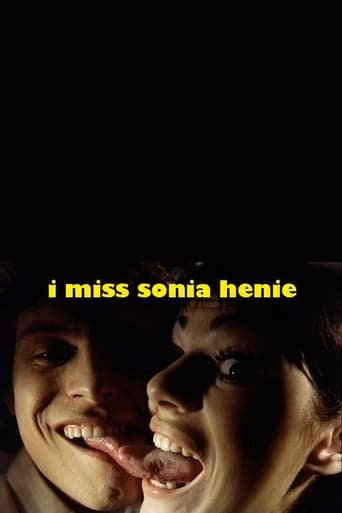 I Miss Sonia Henie · 1971
I Miss Sonia Henie
★ 5.41971
MovieComedyDrama
One camera in one setting, one attic and eight young directors – the result is a unique Dadaistic collage of seven short sketches. The original task for each filmmaker was to keep each short under three minutes, to set it in one hotel room, and to include the sentence “I miss Sonja Henie." This experimental film was shot over a single night at the international film festival FEST in Beograd in 1971.
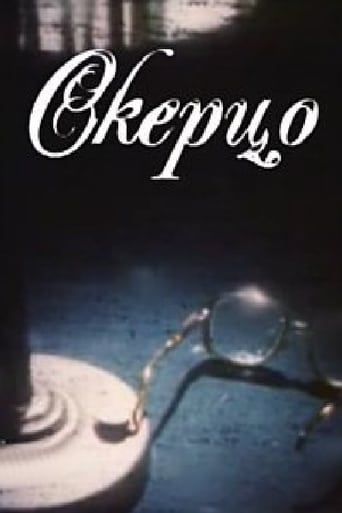 Scherzo · 1994
Scherzo
★ 7.01994
MovieDramaTV Movie
Story about people who have neither luck in finding new instruments to play after war, nor new romance. Instruments experience war just like people do. Originally shot in 1971, the film was not released until 1994.
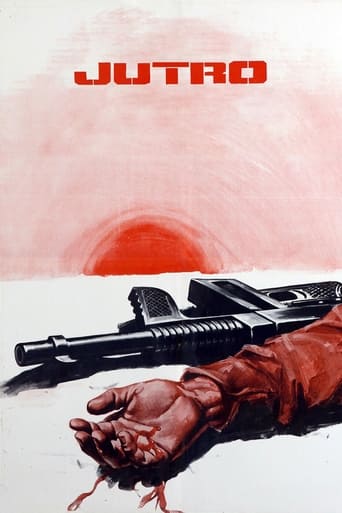 The Morning · 1967
The Morning
★ 7.51967
MovieDramaWar
In the first days after the Second World War, as collaborators are being taken care of, a former partisan finds out that war never truly ends — not even in time of peace.
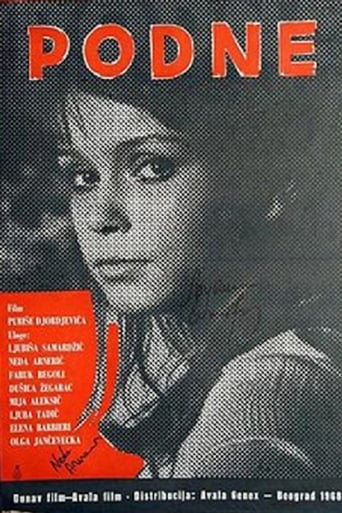 Noon · 1968
Noon
★ 6.21968
MovieRomanceDrama
The lives of many people in one Serbian town are changed after Tito's breakup with Stalin.
 Like a Ballad · 1964
Like a Ballad
★ 9.01964
MovieDocumentary
A story about a soldier and a girl who met and fell in love as bearers of Tito's baton.
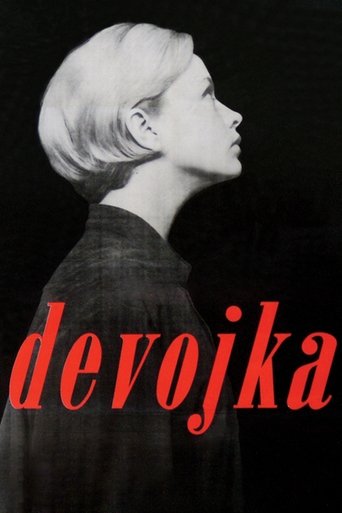 The Girl · 1965
The Girl
★ 6.81965
MovieWarDrama
A lyrical fourfold perspective on WWII through the eyes of a young partisan couple, a town photographer and a German officer.
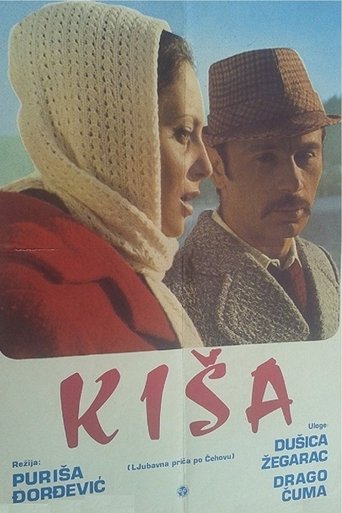 Rain · 1972
Rain
★ 7.01972
MovieDrama
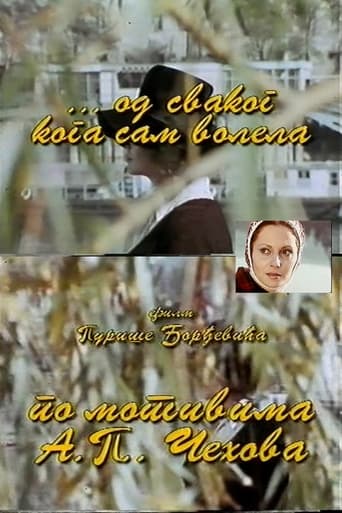
A short love affair of young married woman and police inspector in winter resort will turn into fatal love after chance meeting. Inspired by Chekhov's story "The Lady with the Dog".
 Trumpets of Dragačevo · 1961
Trumpets of Dragačevo
★ 10.01961
MovieDocumentary
Documentary about the first Assembly of Trumpeters in Guča.
Filmography
Sort