Acting
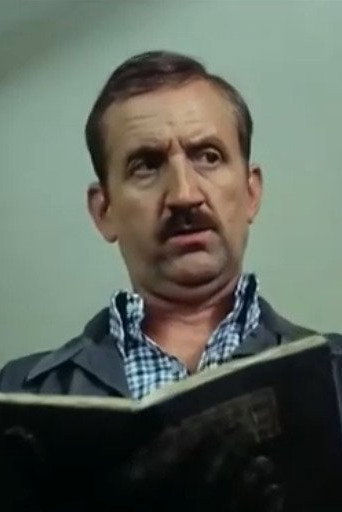
Eugen Jegorov
Born October 9, 1937 · Prague, Czechoslovakia [now Czech Republic]
Died December 28, 1992 · aged 55
Eugen Jegorov was a Czech film and television actor and jazz musician.
Known For
 The Day That Shook the World · 1975
The Day That Shook the World
★ 6.11975
MovieDramaHistory
An historical depiction of the events preceding the political murder of Archduke Franz Ferdinand, would-be emperor of the Austro-Hungarian throne, in Sarajevo on June 28th, 1914.
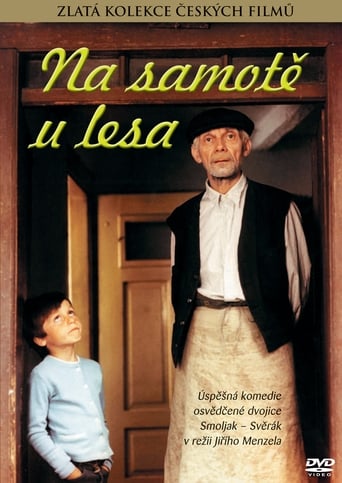 Secluded, Near Woods · 1976
Secluded, Near Woods
★ 7.41976
MovieComedy
The Lavicka's, a Czech family from the city, rents a house in the country with the option to buy. However, old Mr Komarek seems reluctant to sell the house as they agreed.
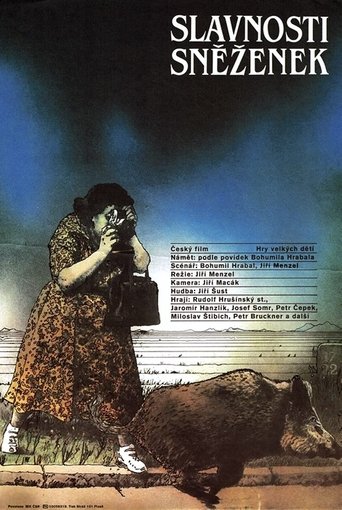 The Snowdrop Festival · 1984
The Snowdrop Festival
★ 6.71984
MovieComedyDrama
An episodic film about the inhabitants of Kersko, their hardships and their joys, most prominently hunting. A lyrical and humorous adaptation of writings by Bohumil Hrabal.
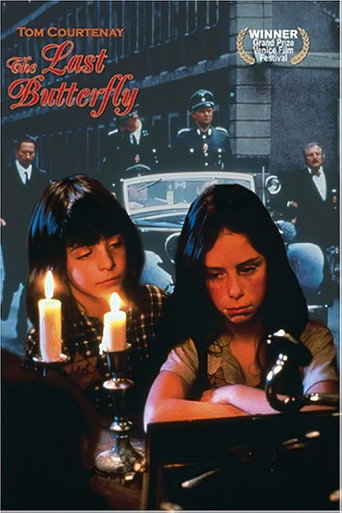 The Last Butterfly · 1991
The Last Butterfly
★ 5.81991
MovieDrama
Stage mime Antoine Moreau is compelled by the Gestapo to put on a performance for the children of Terezin, a "model" concentration camp, to convince the Red Cross observers that the camp is truly what it seems. Reluctant at first, Moreau slowly learns the true nature of the camp, including the meaning of the "transports" on which people leave. With a world-class orchestra (made up of people interned in the camp) and a cast of children, Moreau stages a show to end all shows.
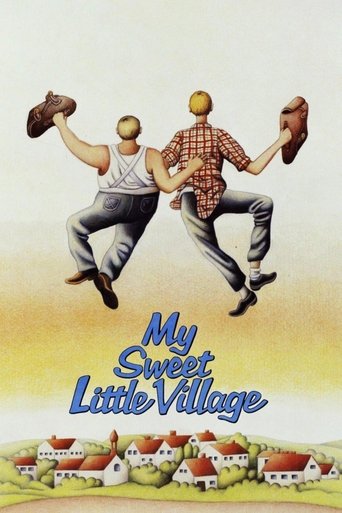 My Sweet Little Village · 1985
My Sweet Little Village
★ 7.41985
MovieComedy
The movie's main storyline follows the life of Otík, a young man, in a tight-knit village community. The sweet-tempered Otík works as an assistant truck driver with Mr. Pávek, his older colleague and practical-minded neighbor. Pávek's family takes care of Otík, whose parents are dead. However, the two coworkers become at odds over Otík's inability to perform even the simplest tasks. Pávek demands that Otík be transferred to assist another driver, who happens to be a choleric and suspicious man named Turek (Turk in Czech). Rather than work with Turek, Otík decides to accept an offer of employment in Prague, but finds he does not fit in to the city life. After discovering that the transfer of Otík to Prague was a trick by a crooked politician to get a deal on Otík's large inherited house, Pávek agrees to give Otík a second chance and retrieves him from the city to resume their work together.
 Larks on a String · 1990
Larks on a String
★ 6.91990
MovieDramaRomance
In post-WWII Communist Czechoslovakia, several characters considered bourgeois are sentenced to work in a junkyard for rehabilitation. Among them is a young man who pines for a female convict.
 The Golden Fern · 1963
The Golden Fern
★ 6.81963
MovieWarFantasy
Wandering through the forest, a woodcutter finds a golden fern whose seed turns into a beautiful woman - they fall in love. After getting drunk in a village feast, he gets to sign up to the army. The fairy gives him a shirt to wear and asks him to swear he will never abandon it. At the war front, he falls in love with the the colonel's daughter and will have to perform various feats to get her attention.
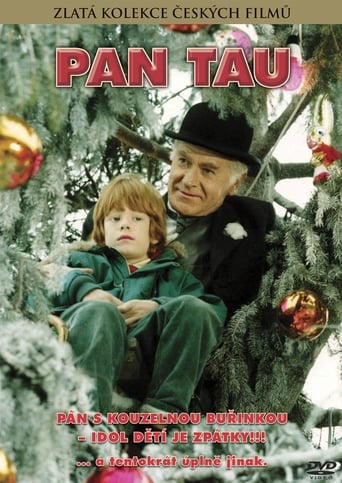 Pan Tau – der Film · 1988
Pan Tau – der Film
★ 6.41988
MovieFamilyFantasy
Pan Tau, the friend of all children, now also helps the adults.
A movie producer is in trouble and decides to shoot another Pan-Tau movie. But the old Pan-Tau actor Karasek is no longer young enough to walk the almost weightless walk of Pan Tau.
Mr. Novak turns up - he resembles Pan Tau like a twin brother. He succeeds every pirouette. And as if by magic, he solves all the problems between people! Who is Mr. Novak? Is he really ...?
Filmography
Sort