Š
Acting
Štěpán Bulejko
Born August 15, 1914
Died November 25, 1976 · aged 62
No biography available.
Known For
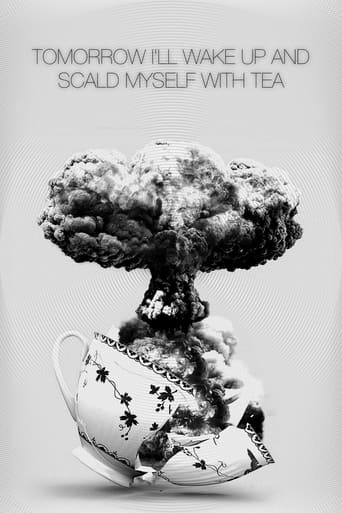 Tomorrow I'll Wake Up and Scald Myself with Tea · 1977
Tomorrow I'll Wake Up and Scald Myself with Tea
★ 6.21977
MovieComedyScience Fiction
Former Nazi Klaus Abard survives to the 1990s by taking anti-ageing pills. He plans to use a time travel trip to return to Germany in 1944 and present Hitler with a hydrogen bomb, so that he can win the war. Unfortunately the pilot, woman-chasing Karel Bures, dies on the morning of the trip and his earnest twin brother Jan impersonates him, without knowing about the plot.
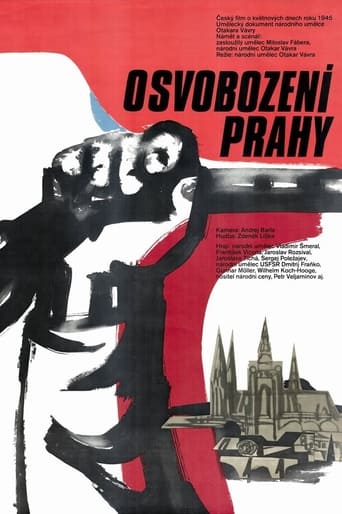 The Liberation of Prague · 1977
The Liberation of Prague
★ 5.31977
MovieDramaWar
On 20th of April 1945 the Soviet army launches its attack on Berlin. The end has come for Nazi Germany and Hitler decides to commit suicide. In Prague K.H. Frank (Nazi Secretary of State and Chief of police in the Protectorate of Bohemia a Moravia) discusses with his commanders how to transform the city into an impregnable fortress, but the Praguers do not intend to wait any longer. From the early hours of 4th of May people start assembling in the streets and tearing down German signs. On the next day, the 5th of May, the uprising begins.
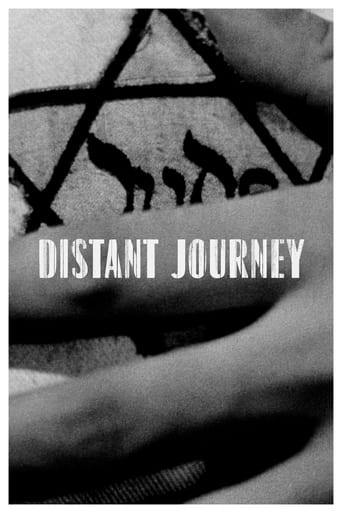 Distant Journey · 1949
Distant Journey
★ 6.91949
MovieDrama
Prague, during World War II. Hana Kaufmann, a Jewish ophthalmologist, marries Dr. Antonín Bureš, a Christian man. When her family is sent to the Theresienstadt concentration camp, their romance turns into a struggle for survival.
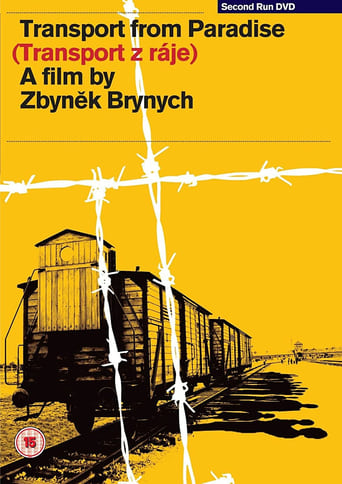 Transport from Paradise · 1963
Transport from Paradise
★ 5.31963
MovieDramaWar
Czechoslovakian Zbynek Brynych directs this psychological drama set in World War II Terezin ghetto. A dark, visual portrayal of the trials and tribulations the Theresienstadt people faced on a daily basis presented in a series of memorable stories. Their hopes and dreams unfold against the perpetual threat of deportation (or worse) by the Nazis. Based on the novel "Night and Hope" by Arnost Lustig.
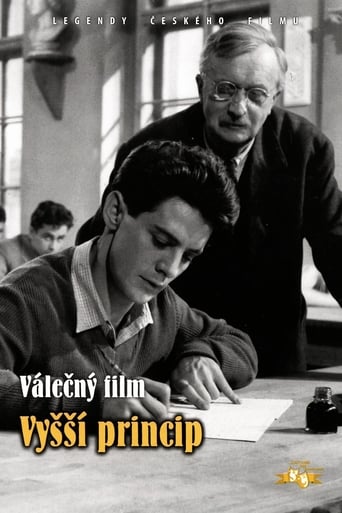 Higher Principle · 1960
Higher Principle
★ 8.21960
MovieDrama
During the Nazi occupation of a Czech city civilians are being rounded up on the slightest of pretexts and shot. One day three high school boys who crack jokes about a recently deceased "hero of the Reich" are pulled out of school by the Gestapo.
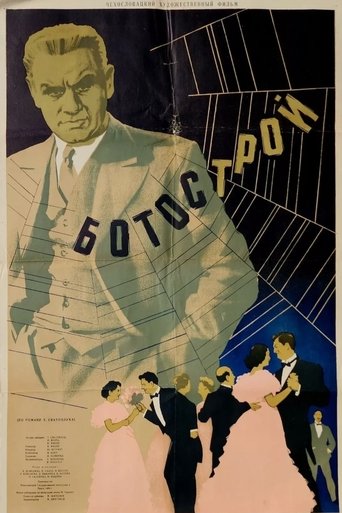 Shoesmachine · 1954
Shoesmachine
★ 8.01954
MovieDrama
The happenings in a shoe factory serve as a not very thinly veiled examination of the pros and cons of both socialism and democracy.
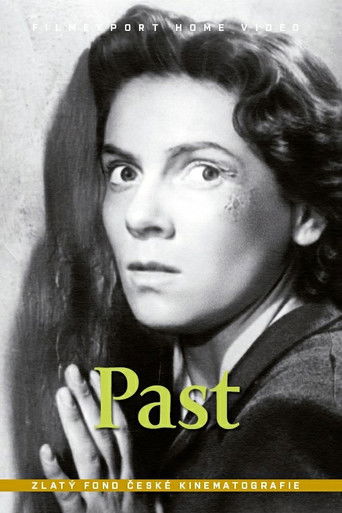 The Trap · 1950
The Trap
★ 7.51950
MovieDramaWar
The drama from the time of the Nazi occupation begins at the train station, where a transport with German soldiers is passing. The train is stopped due to improvised sabotage by one of the railway workers. Resistance liaison Růžena Kubínová is arrested in a random raid. The cynical councilor Dönnert discovers her false documents and has her brutally interrogated. He suspects that she could contribute to exposing the entire group. He puts a informant, Herta, in her cell.
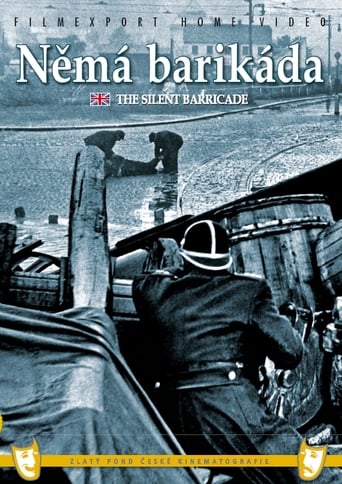 Silent Barricade · 1949
Silent Barricade
★ 7.01949
MovieWarDrama
A fiction piece centered around the Czech resistance to the Nazis.
Filmography
Sort
Distant Journey · 1949Distant Journey
★ 6.91949
MovieDrama
Prague, during World War II. Hana Kaufmann, a Jewish ophthalmologist, marries Dr. Antonín Bureš, a Christian man. When her family is sent to the Theresienstadt concentration camp, their romance turns into a struggle for survival.
Transport Announcer (uncredited)