Acting
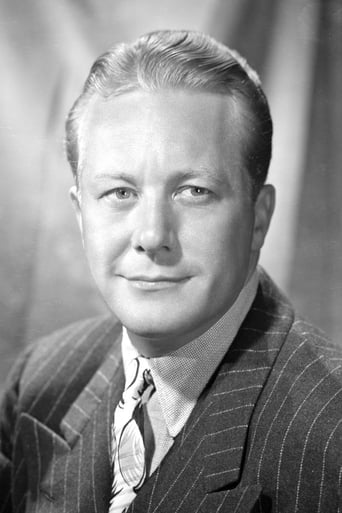
Gene Raymond
Born August 13, 1908 · New York City, New York, USA
Died May 2, 1998 · aged 89
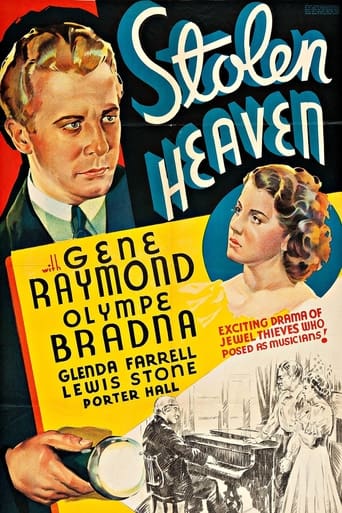
Gene Raymond, born Raymond Guion, was an American film, television, and stage actor of the 1930s and 1940s. In addition to acting, Raymond was also a composer, writer, director, producer, and decorated military pilot. His screen debut was in Personal Maid (1931). Another early appearance was in the multi-director If I Had a Million with W. C. Fields and Charles Laughton. With his blond good looks…
Known For
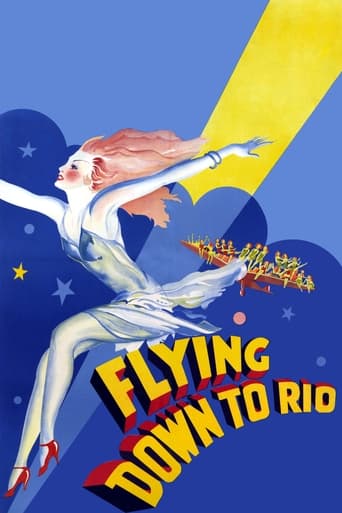 Flying Down to Rio · 1933
Flying Down to Rio
★ 6.31933
MovieComedyRomance
An American bandleader woos a Brazilian beauty who is already engaged to his employer. His friends try to help him, while learning the local dance, The Carioca. The first pairing of Fred Astaire & Ginger Rogers, and their only pre-Code film.
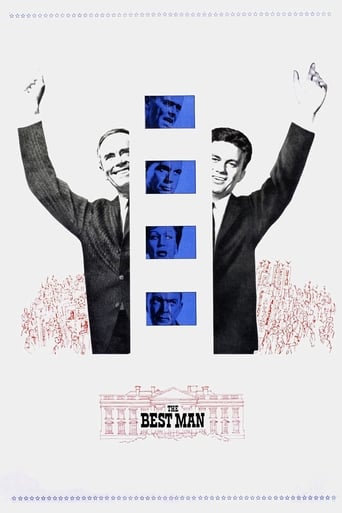 The Best Man · 1964
The Best Man
★ 7.31964
MovieDrama
The other party is in disarray. Five men vie for the party nomination for president. No one has a majority as the first ballot closes and the front-runners begin to decide how badly they want the job.
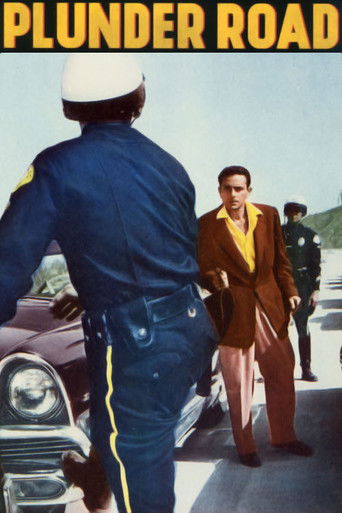 Plunder Road · 1957
Plunder Road
★ 6.91957
MovieCrimeDrama
A spectacular heist starts to unravel as the crooks take it on the lam.
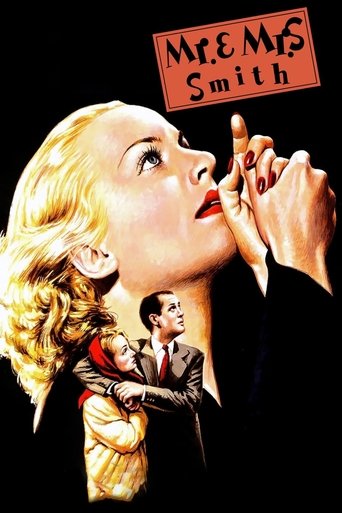 Mr. & Mrs. Smith · 1941
Mr. & Mrs. Smith
★ 5.91941
MovieComedyRomance
Happily married for three years, Ann and David Smith live in New York. One morning Ann asks David if he had to do it over again, would he marry her? To her shock, he answers, "No". Later that day, they separately discover that, due to a legal complication, they are not legally married.
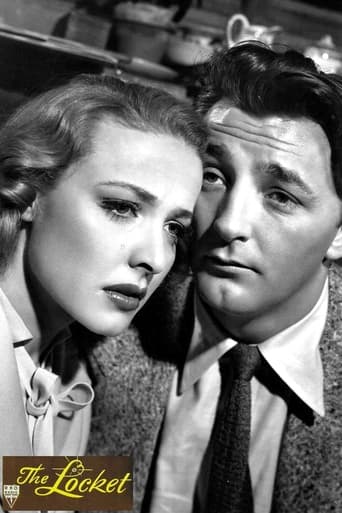 The Locket · 1946
The Locket
★ 6.31946
MovieDramaCrime
A dark personal secret drives a young woman to use every man she encounters.
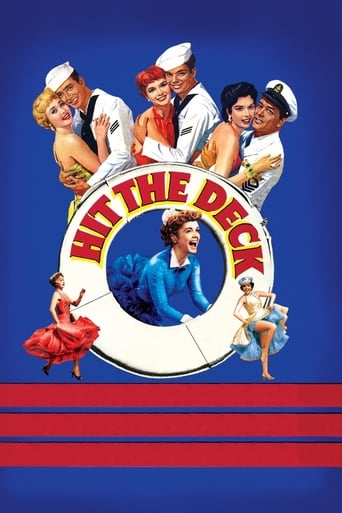 Hit the Deck · 1955
Hit the Deck
★ 5.01955
MovieComedyMusic
Sailors on leave in San Francisco get mixed up in love and show business.
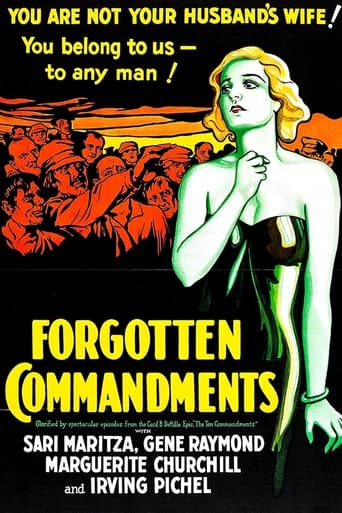 Forgotten Commandments · 1932
Forgotten Commandments
★ 7.51932
MovieDrama
A framework story serves as context for a retelling of the Exodus story and, most importantly, a recycling of footage from the silent version of The Ten Commandments.
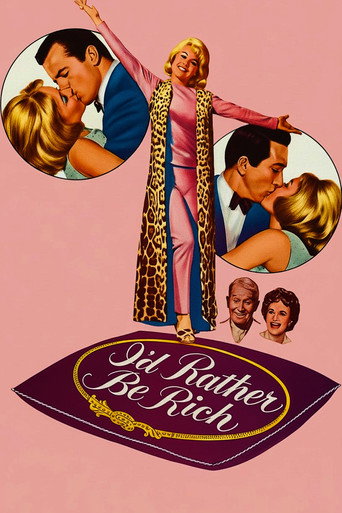 I'd Rather Be Rich · 1964
I'd Rather Be Rich
★ 6.61964
MovieComedy
An updated remake of It Started With Eve (1941). A young heiress is summoned to the bedside of her dying grandfather. The man's last wish is to meet her fiance, but problems arise when the fiance is delayed and a young chemical engineer is persuaded to take his place. When the grandfather suddenly (and secretly) recovers, he uses the situation to his advantage - playing matchmaker in an attempt to ensure his granddaughter's happiness.
Filmography
Sort
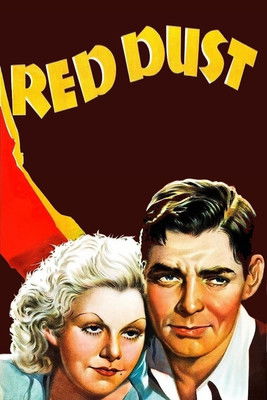
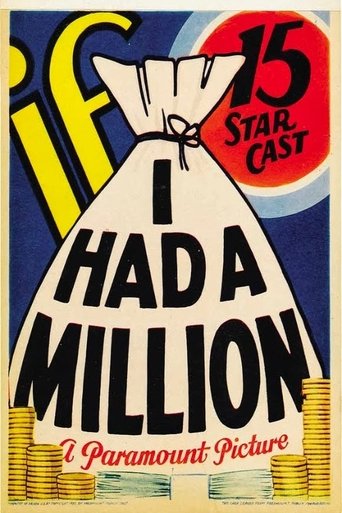 If I Had a Million · 1932
If I Had a Million
★ 6.51932
MovieDramaComedy
An elderly business tycoon, believed to be dying, decides to give a million dollars each to eight strangers chosen at random from the phone directory.
John Wallace (uncredited)


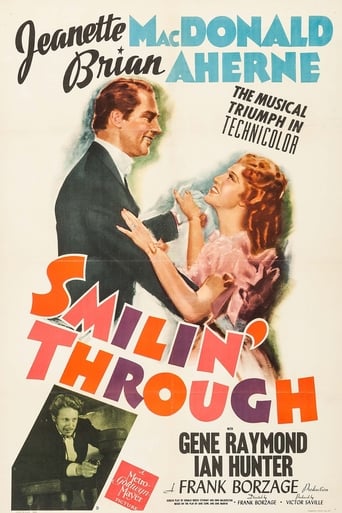 Smilin' Through · 1941
Smilin' Through
★ 6.31941
MovieMusicFantasy
John Carteret has long been depressed and lonely, because, at his wedding years ago, his bride, Moonyean, was murdered. He accepts into his house Kathleen, the 5-year-old orphaned niece of Moonyean, and she quickly grows up to look just like her aunt.
Kenneth 'Ken' Wayne / Jeremy 'Jerry' Wayne