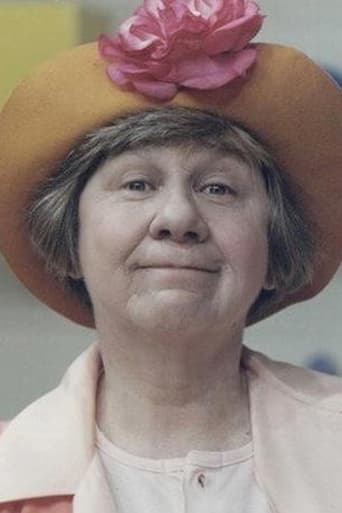
Acting
Zilda Cardoso
Born January 4, 1936 · São Paulo, Brazil
Died December 20, 2019 · aged 83
No biography available.
Known For
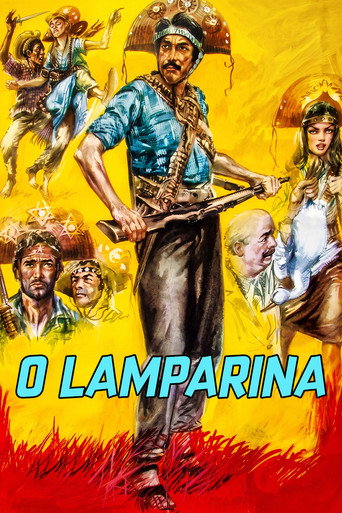 O Lamparina · 1964
O Lamparina
★ 7.21964
MovieComedy
After being deceived by a small time crook with a promise of a job for his family, Bernardino Jabá (Amácio Mazzaropi), his wife Marcolina Jabá (Geny Prado), their two sons, their daughter and their Spanish friend are mistaken as being "cangaceiros" (bandits from the Northeastern of Brazil). They help the police to arrest the outlaws, but Bernardino Jabá misses and is considered dead. When he returns to the small village one year later, the locals believe that it is his soul indeed.
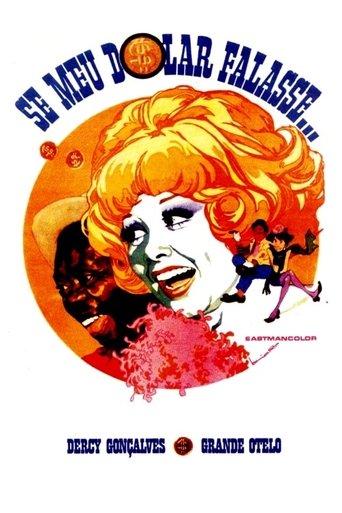 Se Meu Dólar Falasse... · 1971
Se Meu Dólar Falasse...
★ 6.01971
MovieComedy
Bums find $15,000 in trash, but the money belonged to criminals.
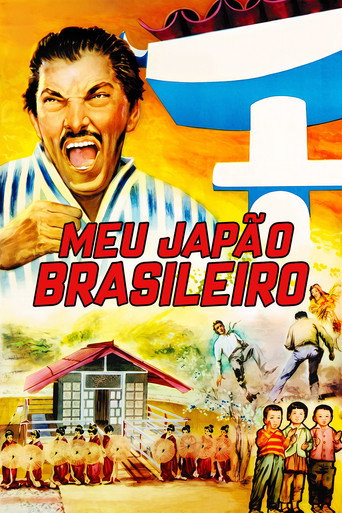 Meu Japão Brasileiro · 1964
Meu Japão Brasileiro
★ 7.41964
MovieComedy
Fofuca is a farmer who faces the exploitation of an entrepreneur in a Japanese-Brazilian community. He joins the Japanese immigrants, who found a cooperative where they fight for their rights.
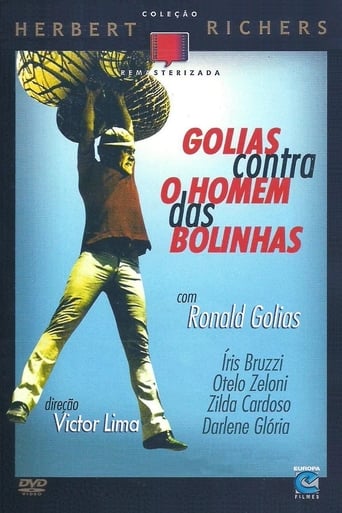 Golias Contra o Homem das Bolinhas · 1969
Golias Contra o Homem das Bolinhas
★ 8.01969
MovieComedy
The adventures of a peaceful and infatuated man, who tries to identify the man who killed his sweetheart, an unconventional young woman who used to receive "guests" at home, calling them her cousins.
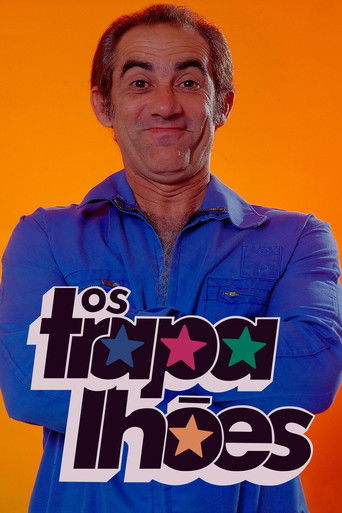 The Trapalhões · 1977
The Trapalhões
★ 8.01977
SeriesComedy
Os Trapalhões was a Brazilian comedy group and also a Brazilian television series created by Wilton Franco. Its members were Dedé Santana, Zacarias, Mussum and their leader Didi Mocó, that was played by Renato Aragão. The name Trapalhões is derived from the Portuguese verb atrapalhar, which means the opposite of helping, to do something the wrong way or to Those that confuse. The name is translated "Tramps" in English DVD subtitles. It was aired by Rede Globo from 1977 to 1999.
On March 18, 1990, Zacarias died due to respiratory failure, but the group and the series didn't come to an end until July 29, 1994, when Mussum died due to an unsuccessful heart transplant.
 My Love, My Torment · 1990
My Love, My Torment
★ 7.41990
SeriesDramaSoap
 Delegacia de Mulheres · 1989
Delegacia de Mulheres
★ 8.61989
SeriesDrama
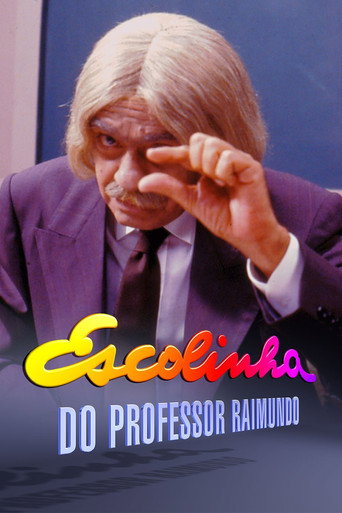 Escolinha do Professor Raimundo · 1990
Escolinha do Professor Raimundo
★ 8.61990
SeriesComedy
'Escolinha do Professor Raimundo' was a comedy program starring Chico Anysio, the unforgettable Professor Raimundo Nonato, and which brought together some of the biggest names in Brazilian comedy. Marked by informality and improvisation, the School was a landmark, immortalized catchphrases like "And the salary, huh?" and paved the way for new and established talents. Created in 1952 by radio host and comedian Haroldo Barbosa for Rádio Mayrink Veiga, the School arrived on TV five years later as a segment of the program Noites Cariocas, on TV Rio. For 38 years, the School was a segment hosted by Chico Anysio in various comedy programs. In 1990, it premiered as an independent program on Globo and became a classic of Brazilian television.
Filmography
Sort