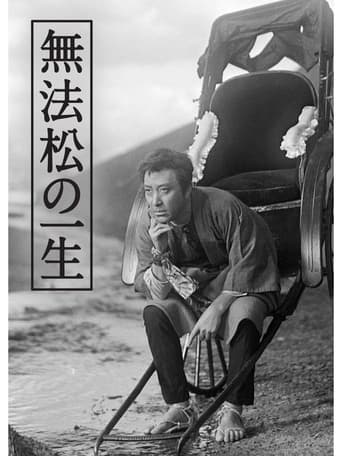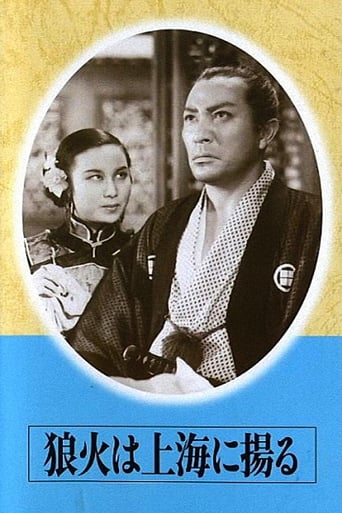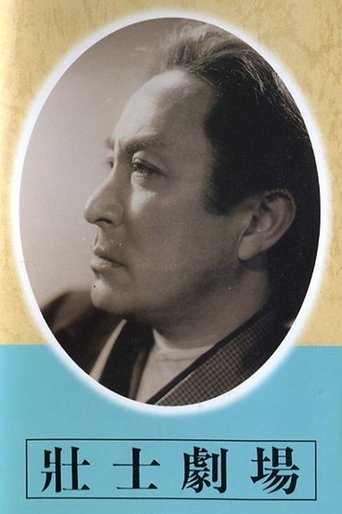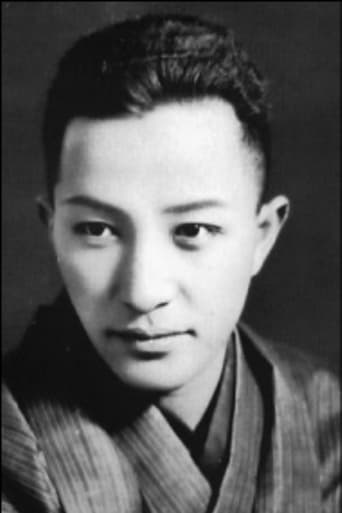
Tsumasaburō Bandō

Acting

Tsumasaburō Bandō

Born December 14, 1901 · Chiyoda, Tokyo, Japan

Died July 7, 1953 · aged 51

No biography available.

Known For
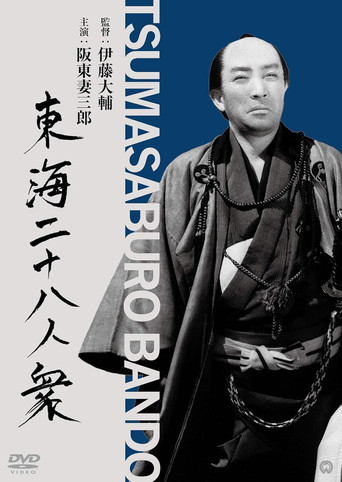
ChushinguraChushingura · 1938
Chushingura
7.01938
MovieHistoryDrama
The vassals of the Asano clan, who surrendered the castle & became wanderers, deceive the enemy and the public, wait for an opportunity to avenge their master and his family.
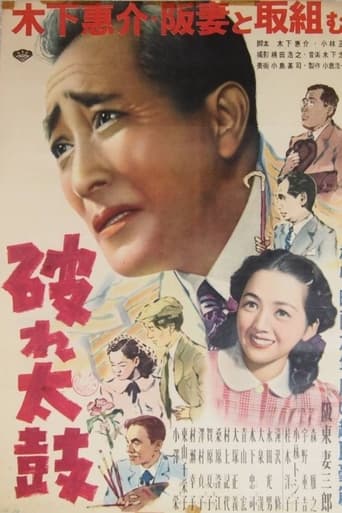
Broken DrumBroken Drum · 1949
Broken Drum
6.71949
MovieComedyDrama
When the future of his construction company falls into danger, a controlling father pushes his children into unsatisfying marriages and careers in order to regain financial stability.
The Life of Matsu the UntamedThe Life of Matsu the Untamed · 1943
The Life of Matsu the Untamed
6.81943
MovieActionAdventure
Matsugoro is a poor rickshaw driver whose animated spirit and optimistic demeanor make him a favorite of the town. Matsu helps an injured boy, Toshio, and is hired by the boy's parents.
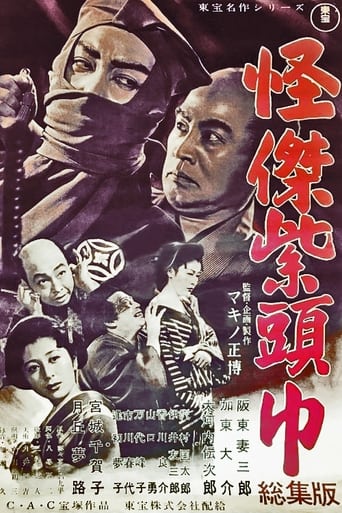
Signal Fires of ShanghaiSignal Fires of Shanghai · 1944
Signal Fires of Shanghai
7.81944
MovieDramaHistory
During the Taiping Rebellion of the mid-19th century, anti-Qing (Manchu) Chinese forces led by Taiping commander Li Xiucheng march on Shanghai. Although the Western powers are officially neutral, the British consul in Shanghai sides with the Qing imperial government, and counter to his own government's policy he retains American adventurer Frederick Townsend Ward to raise a mercenary force of foreigners in Shanghai and oppose the Taipings. Ward's force is routed, with heavy casualties, but since many of the casualties are British, the British army soon is drawn in on the side of the Qings. The only support for the Chinese comes from Japanese in Shanghai and anti-imperialist demonstrations in Japan. A family drama plays out against this historical background. After a Chinese home is destroyed by careless British shelling, killing the father and crippling a daughter, the surviving son vows revenge but begins to see that his true friends may be the Japanese.
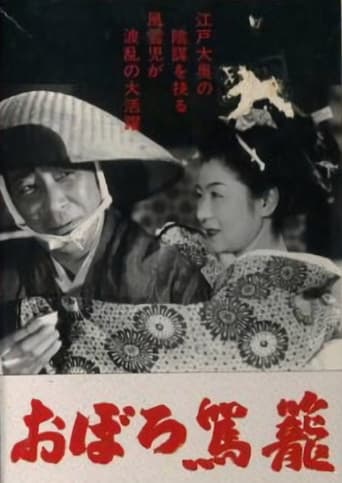
Five Men of EdoFive Men of Edo · 1951
Five Men of Edo
6.01951
MovieActionDrama
During the 17th Century roving bands of hatamoto were causing trouble in the new capital city of Edo and constantly fought with the townspeople at every turn. The leader of these ruthless samruai was Mizuno Jirozaemon, who despite his high rank was in deep financial distress, thus leading to a tragedy that shook the very streets of the city.Opposing him was Banzui-in Chobei, the ‘Protector of the Weak’ who was willing to put his life on the line to save the 808 districts of Edo from the 80,000 hatamoto whose violent behavior threatened to destroy the fabric of society. Starring Bando Tsumasaburo, the first great star of the silver screen along with mega-star Ichikawa Utaemon, this is a story not to be missed. Torn from the pages of history, this true story has been told many times, but never as powerfully as this!
The March of the RestorationThe March of the Restoration · 1942
The March of the Restoration
1942
MovieHistory
The first film produced by Daiei.
The Inner Palace ConspiracyThe Inner Palace Conspiracy · 1951
The Inner Palace Conspiracy
8.01951
MovieAdventureHistory
A period mystery in which an unconventional priest exposes the truth behind the bizarre death of a maid in the shogun's harem. Kinuyo Tanaka stylishly plays a constantly intoxicated geisha in this all-star entertainment film.
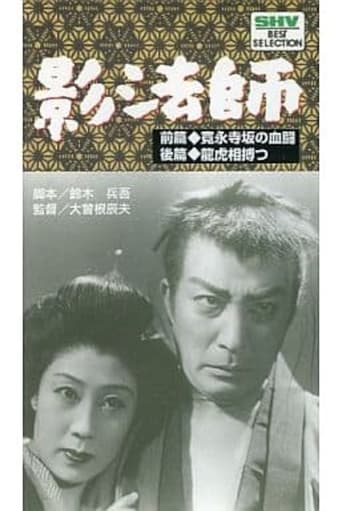
Tange SazenTange Sazen · 1952
Tange Sazen
10.01952
MovieHistoryAction
Drama about a famous one-eyed, one-armed samurai swordsman of the middle of the Tokugawa period by the name of Tange Sazen. By chance, Tange gets an old pot in which the secret of the treasure of 1000000 ryos of gold is hidden. However, a bunch of different people hunt for the pot and Tange will have to apply his phenomenal fencing skills with the sword.

Filmography

Sort
Signal Fires of ShanghaiSignal Fires of Shanghai · 1944
Signal Fires of Shanghai
7.81944
MovieDramaHistory
During the Taiping Rebellion of the mid-19th century, anti-Qing (Manchu) Chinese forces led by Taiping commander Li Xiucheng march on Shanghai. Although the Western powers are officially neutral, the British consul in Shanghai sides with the Qing imperial government, and counter to his own government's policy he retains American adventurer Frederick Townsend Ward to raise a mercenary force of foreigners in Shanghai and oppose the Taipings. Ward's force is routed, with heavy casualties, but since many of the casualties are British, the British army soon is drawn in on the side of the Qings. The only support for the Chinese comes from Japanese in Shanghai and anti-imperialist demonstrations in Japan. A family drama plays out against this historical background. After a Chinese home is destroyed by careless British shelling, killing the father and crippling a daughter, the surviving son vows revenge but begins to see that his true friends may be the Japanese.

Shinsaku Takasugi

Five Men of EdoFive Men of Edo · 1951
Five Men of Edo
6.01951
MovieActionDrama
During the 17th Century roving bands of hatamoto were causing trouble in the new capital city of Edo and constantly fought with the townspeople at every turn. The leader of these ruthless samruai was Mizuno Jirozaemon, who despite his high rank was in deep financial distress, thus leading to a tragedy that shook the very streets of the city.Opposing him was Banzui-in Chobei, the ‘Protector of the Weak’ who was willing to put his life on the line to save the 808 districts of Edo from the 80,000 hatamoto whose violent behavior threatened to destroy the fabric of society. Starring Bando Tsumasaburo, the first great star of the silver screen along with mega-star Ichikawa Utaemon, this is a story not to be missed. Torn from the pages of history, this true story has been told many times, but never as powerfully as this!

Banzuin Chobei

Blood Spilled at TakadanobabaBlood Spilled at Takadanobaba · 1937
Blood Spilled at Takadanobaba
7.01937
MovieActionComedy
The tale of Nakayama Yasubei’s duel is famous, even if he in reality probably did not cut down 18 opponents. The story has been related in film, rakugo, kodan and on stage many times, in part because Nakayama later joined the famous 47 Ronin (Chushingura) as Horibe Yasubei. But Makino and Inagaki’s version gives no hint of this more serious future, playing up the thrills and the comedy with Bando’s bravura performance. The multiple pans of Yasubei running to the duel are an exemplar of the experimental flourishes of 1930s Japanese cinema and the final duel, performed virtually like a dance number, is a marker of Makino’s love of rhythm and one of the best sword fights in Japanese film history. The film was originally released under the title Chikemuri Takadanoba (Bloody Takadanobaba) with a length of 57 minutes, but suffered some cuts and a title change when it was re-released in 1952.

Yasubei Nakayama