Directing
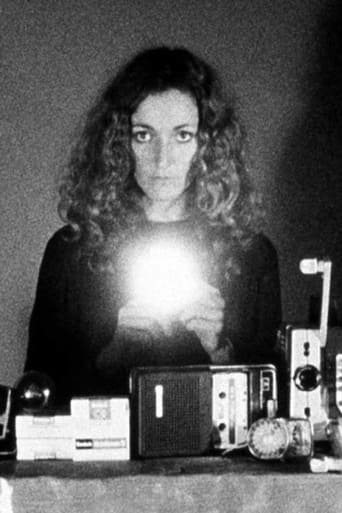
Jackie Raynal
Born October 20, 1940 · Poilhes, France (age 85)
Jacky Raynal is French directress, actress and film editor. She's born in 1940 near Montpellier. The film maker has a diploma in Linguistics. In the early 60's, already a photographer, young Jacky Raynal starts working in the field of cinema. She's assistent film editor for the documentarys of G. Patriss and F. Vienne. After that, she edits the first films of E. Rohmer. In 1965 J. Raynal gets the …
Known For
 La Collectionneuse · 1967
La Collectionneuse
★ 6.91967
MovieDramaRomance
Bombastic, womanising art dealer Adrien and his painter friend Daniel go on holiday at a 17th-century villa on the Riviera. But their idyll is disturbed by the presence of the bohemian Haydée, accused of being a 'collector' of men.
 The Bakery Girl of Monceau · 1963
The Bakery Girl of Monceau
★ 6.91963
MovieRomanceDrama
After several days without seeing Sylvie, the object of his desire again, a nameless law student becomes involved with Jacqueline, who works at the local bakery. Eventually, he has to choose when he arranges dates with both on the same day.
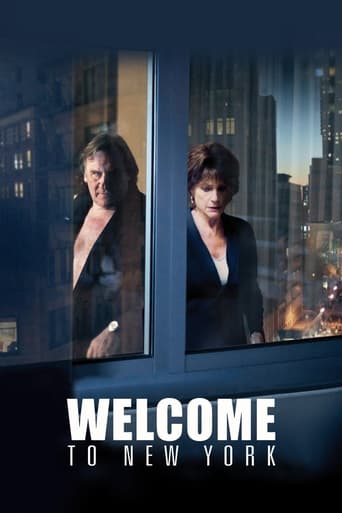 Welcome to New York · 2014
Welcome to New York
★ 5.12014
MovieDrama
Mr. Devereaux is a powerful man. A man who handles billions of dollars every day. A man who controls the economic fate of nations. A man driven by a frenzied and unbridled sexual hunger. A man who dreamed of saving the world and who cannot save himself. A terrified man. A lost man.
 Bonjour Tristesse · 1958
Bonjour Tristesse
★ 6.71958
MovieDramaRomance
A spoiled teenager spends the summer at the French Riviera with her rich, widower, playboy father, but when his old flame resurfaces, she resolves to keep her frivolous lifestyle at all costs.
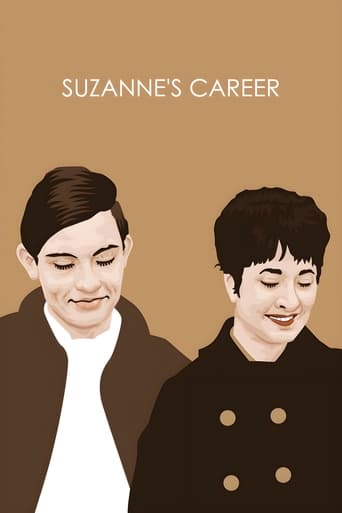 Suzanne's Career · 1963
Suzanne's Career
★ 6.51963
MovieDramaRomance
Timid pharmacy student Bertrand has mixed feelings about his womanising friend Guillaume's new girlfriend, Suzanne, who financially supports her duplicitous lover.
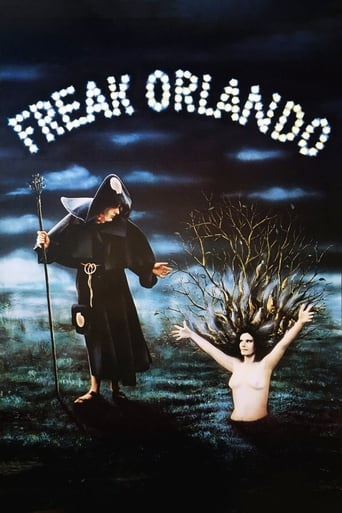 Freak Orlando · 1981
Freak Orlando
★ 5.41981
MovieComedyFantasy
Five more-or-less distinct sections, all featuring "Freak" Orlando, a woman played by the late Magdalena Montezuma, who appears in various guises and deformities throughout.
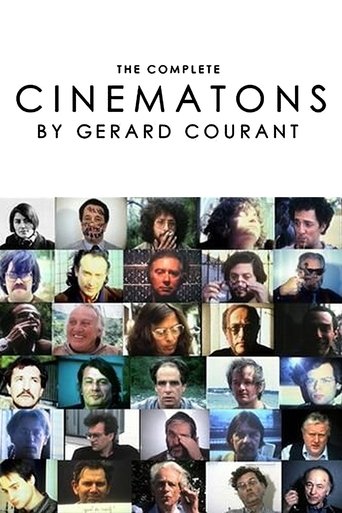 Cinématon · 1978
Cinématon
★ 4.91978
MovieDocumentary
Cinématon is a 156-hour long experimental film by French director Gérard Courant. It was the longest film ever released until 2011. Composed over 36 years from 1978 until 2006, it consists of a series of over 2,821 silent vignettes (cinématons), each 3 minutes and 25 seconds long, of various celebrities, artists, journalists and friends of the director, each doing whatever they want for the allotted time. Subjects of the film include directors Barbet Schroeder, Nagisa Oshima, Volker Schlöndorff, Ken Loach, Benjamin Cuq, Youssef Chahine, Wim Wenders, Joseph Losey, Jean-Luc Godard, Samuel Fuller and Terry Gilliam, chess grandmaster Joël Lautier, and actors Roberto Benigni, Stéphane Audran, Julie Delpy and Lesley Chatterley. Gilliam is featured eating a 100-franc note, while Fuller smokes a cigar. Courant's favourite subject was a 7-month-old baby. The film was screened in its then-entirety in Avignon in November 2009 and was screened in Redondo Beach, CA on April 9, 2010.
 Trap · 1970
Trap
★ 4.71970
MovieThrillerCrime
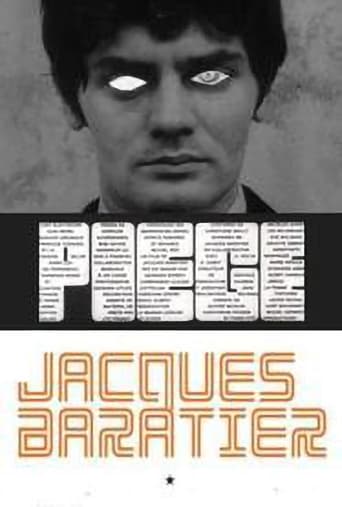
A genuine performance film as Bernadette Laffont and Bulle Ogier engage, with reckless abandon, in a flurry of senseless destruction in a house at night. Somewhere between a hallucination and a nightmare. Both the explosive soundtrack and narration that accompanies the mayhem was provided by François Tusques.