Acting
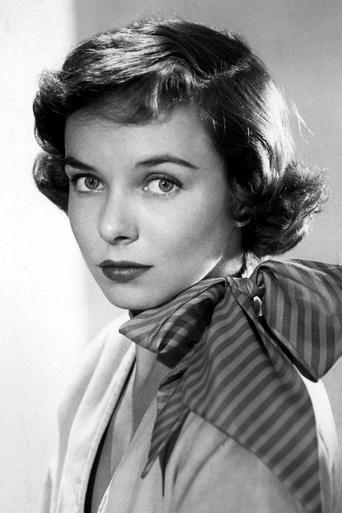
Diana Lynn
Born July 5, 1926 · Los Angeles, California, USA
Died December 18, 1971 · aged 45
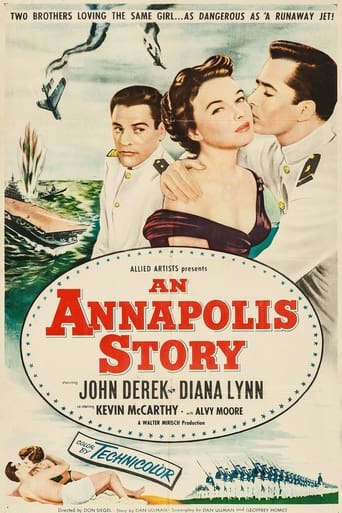
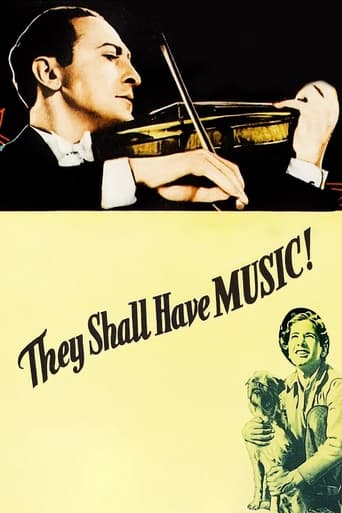
She was a child prodigy, pianist, at age 10, and her first movie role was one of the children in, "They Shall Have Music" (1939). You see her playing the piano. She made another movie using her 'real name' - Dolly in, "There's Magic in Music" (1941). She signed a long term contract with Paramount in 1942, and had her named changed to Diana Lynn. She had good roles in, "The Major, and the Mino…
Known For
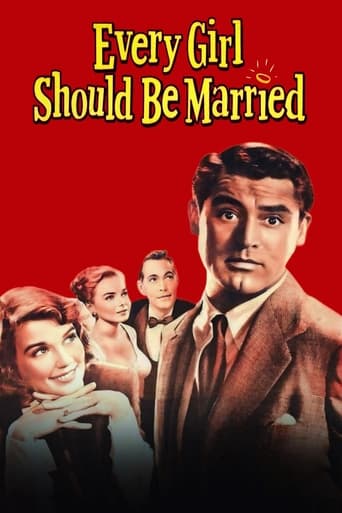 Every Girl Should Be Married · 1948
Every Girl Should Be Married
★ 5.91948
MovieComedyRomance
Anabel Sims is determined to find the perfect husband. She thinks she's found her man in Madison Brown, a handsome pediatrician. She then prepares an elaborate scheme to trap him into marriage
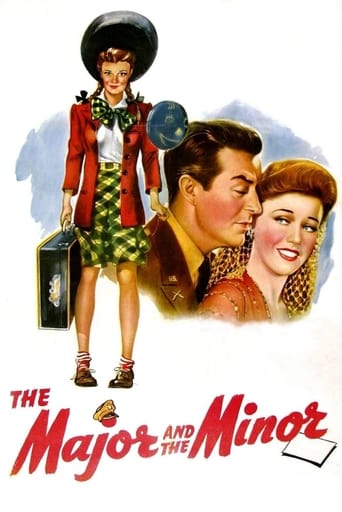 The Major and the Minor · 1942
The Major and the Minor
★ 7.11942
MovieComedyRomance
Low on funds, working-class girl Susan Applegate disguises herself as a youngster in order to pay half fare home. But little 'Sue Sue' finds herself in a whole heap of grownup trouble when she hides out in a compartment with handsome Major Philip Kirby.
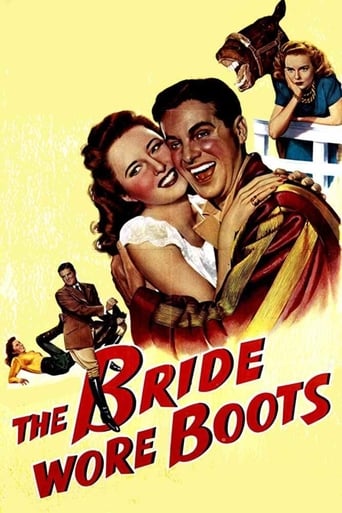 The Bride Wore Boots · 1946
The Bride Wore Boots
★ 6.11946
MovieComedyRomance
A bookish husband tries to win back the affections of his horse-breeding wife.
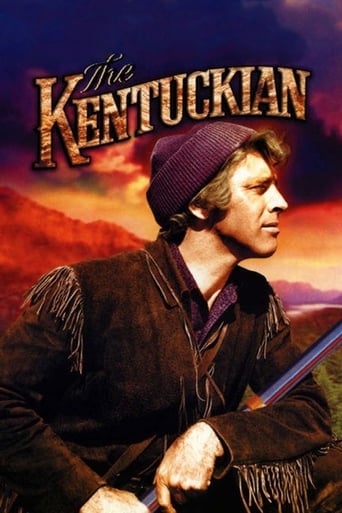 The Kentuckian · 1955
The Kentuckian
★ 5.81955
MovieWestern
A frontiersman and his son fight to build a new home in Texas.
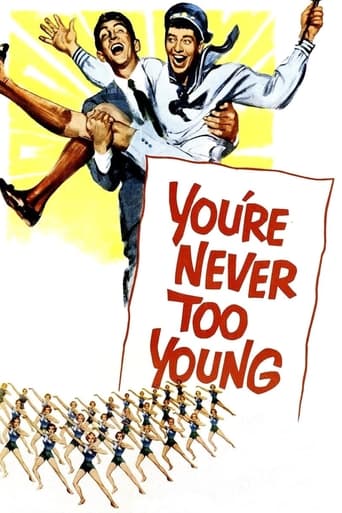 You're Never Too Young · 1955
You're Never Too Young
★ 6.61955
MovieComedy
When an aspiring barber becomes inadvertently involved in the theft of a valuable diamond, necessity forces him to masquerade as a 12 year-old child - with humorous consequences.
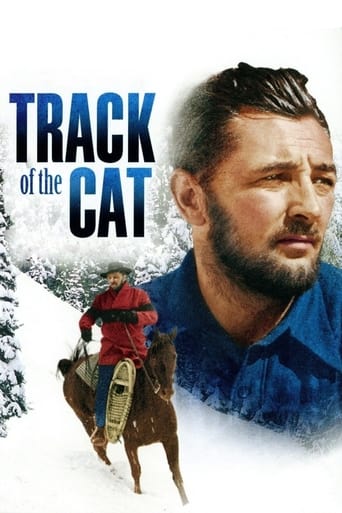 Track of the Cat · 1954
Track of the Cat
★ 5.91954
MovieDramaWestern
A family saga: In a stunning mountain valley ranch setting near Aspen, complex and dangerous family dynamics play out against the backdrop of the first big snowstorm of winter and an enormous panther with seemingly mythical qualities which is killing cattle.
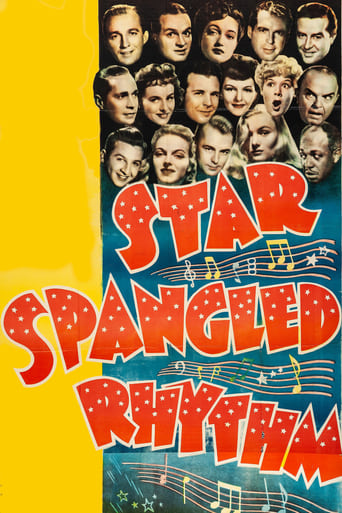 Star Spangled Rhythm · 1942
Star Spangled Rhythm
★ 6.21942
MovieComedyMusic
Pop, a security guard at Paramount has told his son that he's the head of the studio. When his son arrives in Hollywood on shore leave with his buddies, Pop enlists the aid of the studio's dizzy switchboard operator in pulling off the charade. Things get more complicated when Pop agrees to put together a show for the Navy starring Paramount's top contract players.
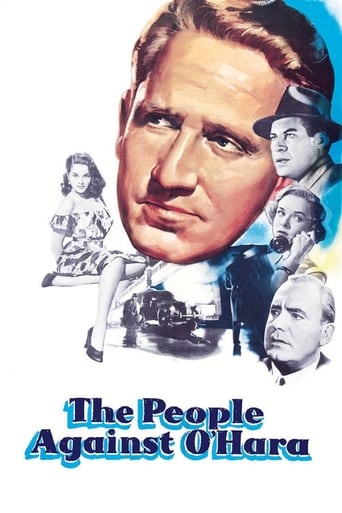 The People Against O'Hara · 1951
The People Against O'Hara
★ 5.81951
MovieCrimeDrama
A defense attorney jeopardizes his career to save his client.
Filmography
Sort
The People Against O'Hara · 1951The People Against O'Hara
★ 5.81951
MovieCrimeDrama
A defense attorney jeopardizes his career to save his client.
Virginia 'Ginny' Curtayne