Directing
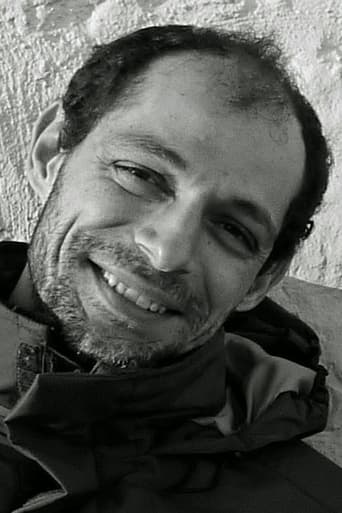
José Barahona
Born March 29, 1969 · Lisboa, Portugal (age 57)
No biography available.
Known For
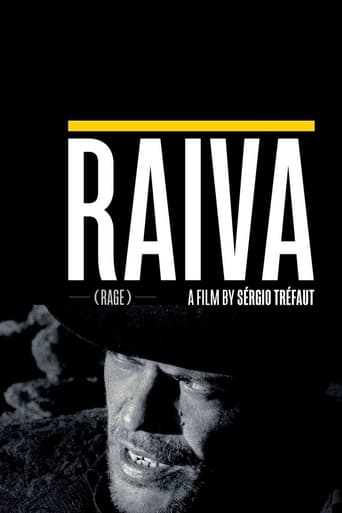 Rage · 2018
Rage
★ 6.92018
MovieDrama
Alentejo, Portugal, 1950. In a desolate region, where the wind seems to speak, where misery and hunger reign over poorest, a desperate man takes his revenge on those who caused his ruin during the darkest night, unable to get honestly the bread needed to feed his family in the daylight.
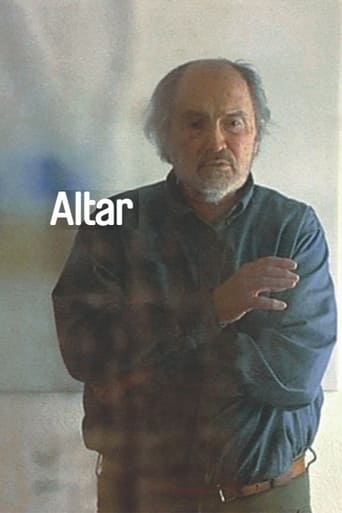 Altar · 2003
Altar
★ 7.32003
MovieRomanceDrama
A widowed theater actor relives his memory of a young love.
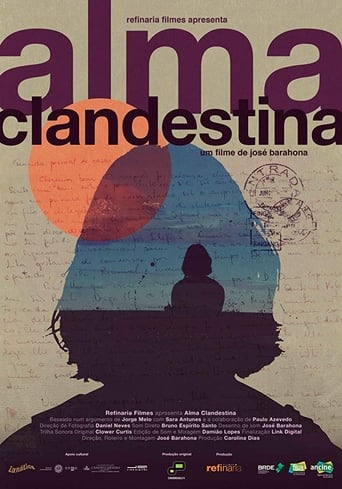 Clandestine Soul · 2018
Clandestine Soul
2018
MovieDocumentary
"Clandestine Soul" is a sensory and emotional biography of the Brazilian political activist, Maria Auxiliadora Lara Barcellos.
 Skin · 2006
Skin
★ 9.02006
MovieDrama
Pele is a film about a young mulatto woman that in spite of being rich, beautiful and intelligent, feels discriminated because of the colour of her skin. The entire plot is in the early 70's, when Portugal had a dictatorial government, ultramarine territories and lots of racism in its society… Issues like racism, female condition and the spoilt lives of the high-society are the main themes of this movie
 Nheengatu – The Language of the Amazon · 2020
Nheengatu – The Language of the Amazon
★ 10.02020
MovieDocumentary
Nheengatu – The Language of the Amazon takes us on a journey along the Negro River, on the trail of this language imposed on indigenous people by the first Portuguese colonialists who landed in Brazil in the 15th century. Throughout the various encounters with local communities that still speak this language, the director faces the different cultural, historical and social issues that confront tradition and future.
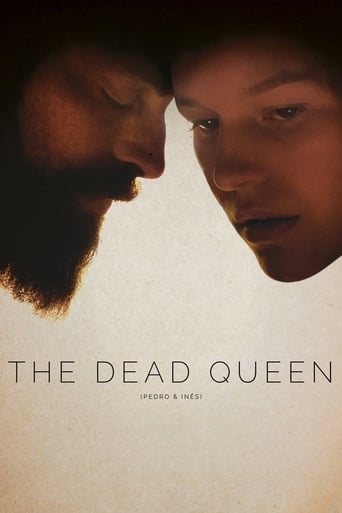 The Dead Queen · 2018
The Dead Queen
★ 6.32018
MovieDramaHistory
Inspired on the true events of the Portuguese king Don Pedro (14th Century) which unburied his mistress to make her queen after dead. This film tells the story of Pedro, a man admitted to a psychiatric hospital for traveling by car with the corpse of his beloved, recalling simultaneously three different lives: one from the past, another from nowadays and another one from an distopic future.
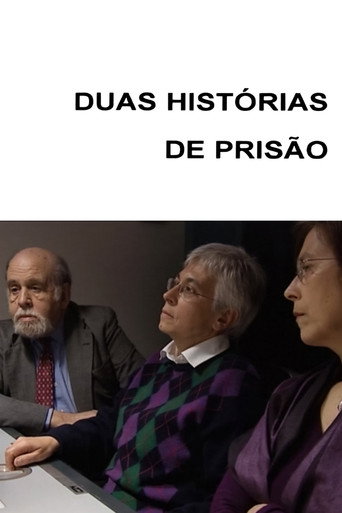 Two Stories from Prison · 2004
Two Stories from Prison
2004
MovieDocumentary
On the night of April 26, 1974, the prison doors of Caxias opened and the political prisoners were released. Two women: Diana Andringa and Maria José Campos relive their detention in Caxias in this film. Even though they did not suffer the torture and other forms of violence that most of their companions were subjected to, both speak with great emotion of isolation and the so-called “normal regime” period in which they shared the space of a cell with other prisoners and learned to live in prison.
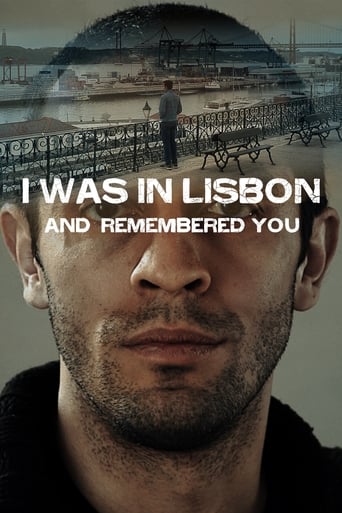 I Was in Lisbon and Remembered You · 2015
I Was in Lisbon and Remembered You
★ 8.52015
MovieDrama
"In the beginning of this project, I wanted to do a documentary film based on this book by Luiz Ruffato. However, I ended up doing a feature film with many links to documentary. I wanted to know what made Brazilians want to emigrate to Portugal. I chose working with amateur actors and non-actors in both cities, so their own life stories and experiences could be in the film. I did the other way round from the writer. He found these people and made them characters of his book. I looked for people who had similar stories to those described in the book, and made them characters of my film. When I read the book, I was seduced by its "false documentary" characteristic. The book was all written as if it was the transcription of an oral interview the writer had done in Lisbon. I decided to keep this narrative in the film, by a narration with the main character talking to the camera. It's a film about emigration. About dreams and disappointments," says Barahona
Filmography
Sort


 Cães Sem Coleira · 1999
Cães Sem Coleira
★ 9.01999
Movie
Sound Assistant