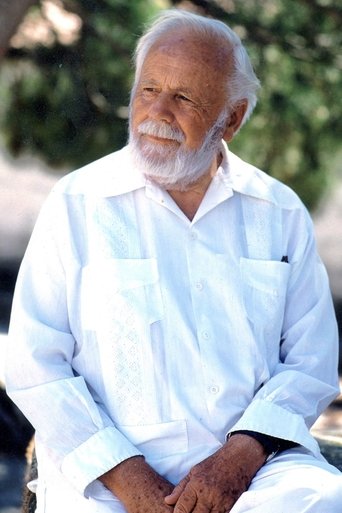
Directing
Denys Colomb de Daunant
Born November 21, 1922 · Nîmes, Gard, France
Died March 22, 2006 · aged 83
Albin Théodore Denys Colomb de Daunant (21 November 1922 – 22 March 2006) was a French writer, poet, photographer and filmmaker, best known for his work on the multi-award-winning 1953 short film White Mane. An aristocrat and modern dandy, he was an iconic figure of France's rural Camargue region. The son of Auguste Colomb de Daunant and L. Carenou, Denys Colomb de Daunant was born into a Protest…
Known For
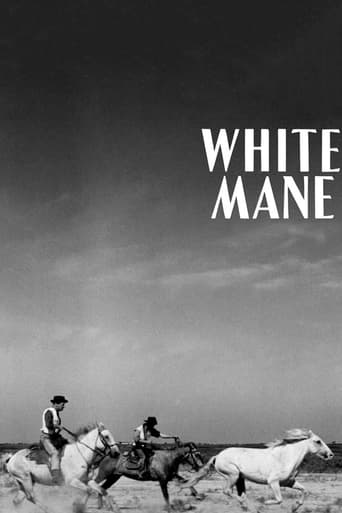 White Mane · 1953
White Mane
★ 6.81953
MovieDramaFamily
In the south of France, in a vast plain region called the Camargue, lives White Mane, a magnificent stallion and the leader of a herd of wild horses too proud to let themselves be broken by humans. Only Folco, a young fisherman, manages to tame him. A strong friendship grows between the boy and the horse, as the two go looking for the freedom that the world of men won’t allow them.
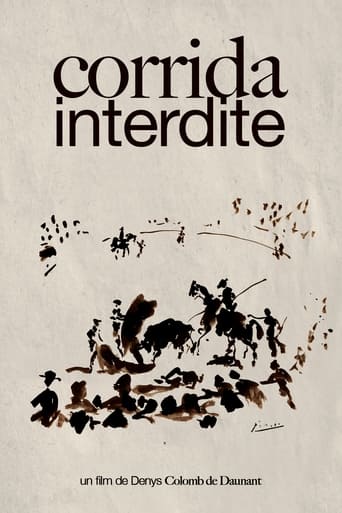 Corrida Interdite · 1959
Corrida Interdite
★ 7.71959
MovieDocumentary
Denys Colomb de Daunant (1922 - 2006) is a writer, poet, photographer and filmmaker known for being the author and co-writer of the film Crin-Blanc (1952) directed by Albert Lamorisse. Highly symbolic character of the Camargue, aristocrat and dandy, he was also a manager and hotelier. He would lead the immemorial life of an animal herder if he did not have another passion: images. The photographic apparatus and the camera are like sensitive antennas that he spreads over his world and which seek the truth beyond appearances. Since Crin Blanc his photographs have appeared in illustrated books on five continents. Among his many films, Corrida Interdite (in competition at the 1959 Cannes Film Festival) and Le Rêve des Chevaux Sauvages (Golden Bear at the Berlin Film Festival) are global short film successes. The animals, the images... a single passion: that of a free life in one of the rare countries where you can still live freely: the Camargue.
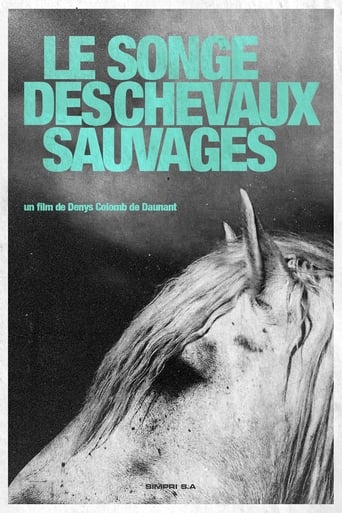 Dream of the Wild Horses · 1960
Dream of the Wild Horses
★ 8.01960
MovieDocumentary
The horses in Denys Colomb Daunant’s dream poem are the white beasts of the marshlands of the Camargue in South West France. Daunant was haunted by these creatures. His obsession was first visualized when he wrote the autobiographical script for Albert Lamorisse’s award-winning 1953 film White Mane. In this short the beauty of the horses is captured with a variety of film techniques and by Jacques Lasry’s beautiful electronic score.
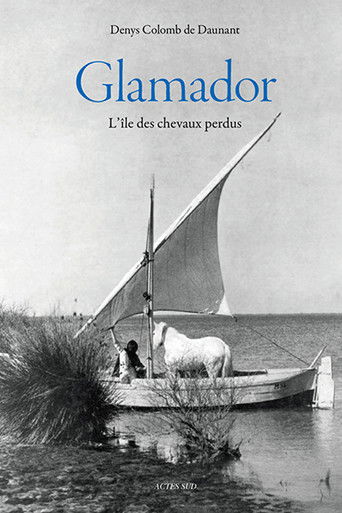 Glamador · 1958
Glamador
★ 10.01958
MovieDocumentary
Fafai, a young boy, lives with his grandfather on the island of Glamador in the Camargue. To help the old man who can no longer work, Fafai finds a job as a caretaker. He must tame wild horses. But during a storm, they escape and swim to the island of Glamador. Fafai leaves for the island to bring back the herd... Glamador is none other than the island on which Folco and Crin-Blanc end up arriving after their escape, told in Crin-Blanc. This film is the sequel to “Crin Blanc”.
Filmography
Sort