Writing
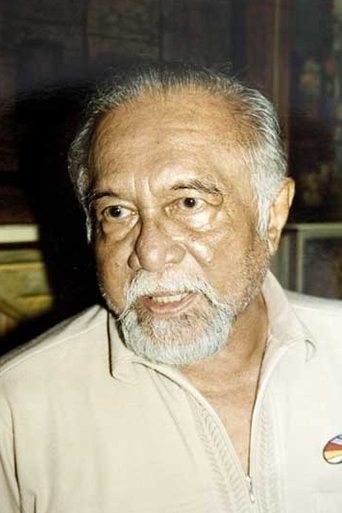
Asrul Sani
Born June 10, 1927 · Rao, Dutch East Indies
Died June 11, 2004 · aged 77
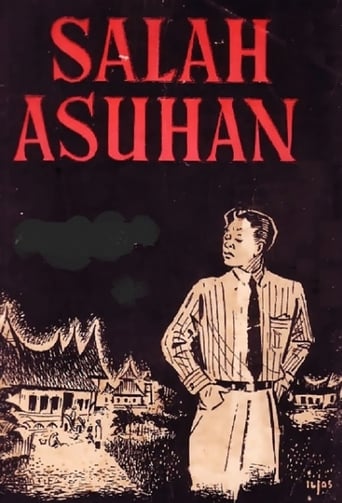
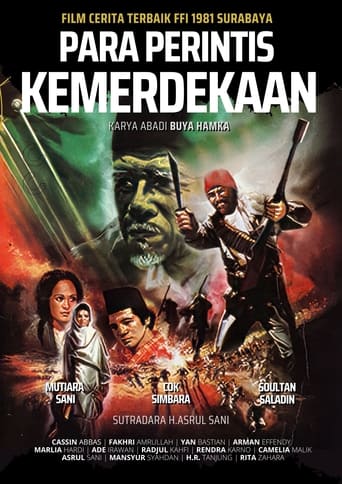
Asrul Sani was an Indonesian writer, poet and screenwriter.
Known For
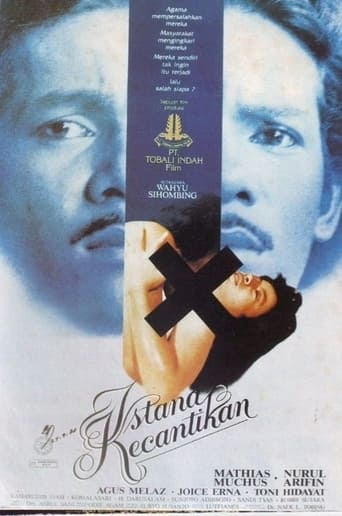 Palace of Beauty · 1988
Palace of Beauty
★ 3.01988
MovieDramaRomance
Niko, a gay man, is forced by rumours about his sexuality to marry the pregnant Lita who was deserted by a mutual friend. The couple's sex life doesn't amount to much and their relationship becomes more and more tensed through the years.
 Jembatan Merah · 1973
Jembatan Merah
1973
MovieDrama
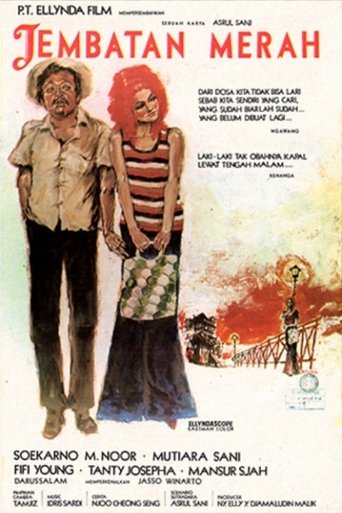
Mbok Puspo’s cafe, at the edge of Kalimas, under Jembatan Merah or “Red Bridge”, is a meeting place for many. Mbok Puspo also sells rags for additional income while her adopted daughter, Sudiasih, runs the cafe and is the shining beauty of the place. The regulars are Ngawang, a small time thief who fails to make his wife happy; Kenanga, who becomes a prostitute to spite her husband; Siswanto, a student who does not have the courage to confess his love to Sudiasih; Pungguk the painter; a civil servant, and a postman. The love stories between Siswanto and Sudiasih; and Ngawang and Kenang are the central plots. Seeing Siswanto and Sudiasih’s love, Ngawang and Kenanga also find each other. Meanwhile, Mbok Puspo is in a dilemma when she receives a letter from her child, Sri Bidari, who was adopted by a rich family.
 Bunga Desa · 1988
Bunga Desa
1988
MovieDrama
Rhoma tries to pull Ratna out of her dark life. Ratna’s pimp opposes the attempt. In a fight, Ratna is stabbed with a knife. Rhoma is shaken and advised to go to the village to rest. There, he falls in love with Sumi, the village beauty. Misfortune also falls on her when she is attacked with sulphuric acid that ruins her face. Returning to the village, he is surprised to find a woman who is similar to both Ratna and Sumi.
 Life Crisis · 1977
Life Crisis
1977
MovieDrama
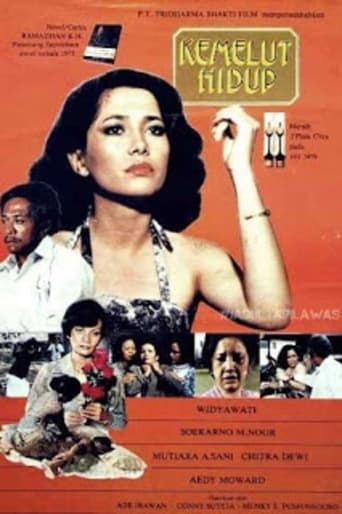
As the time to retire comes, Abdurahman, a department employee who is honest, diligent and down-to-earth, has prepared himself. He manages to finish a university degree, with which he is sure that he can live his retirement period in peace with his six children. What happens is the opposite; he cannot get a new job. Susana, one of his daughters, becomes a prostitute. His wife, Ina in an effort to get money, is seduced by her own stepfather and is then caught in the act by her mother. On top of these troubles, his other daughter, Aminah, returns from abroad before finishing her studies because she is pregnant and is going through a mental breakdown. Corruption and the social depravity that it causes is the film’s theme.
 Nagabonar · 1986
Nagabonar
★ 7.11986
MovieComedyWar
Nagabonar is a pickpocket. During the withdrawal of the Japanese occupying forces from Indonesia in 1945 he declares himself a general of the Liberation Forces. Soon a mask becomes his true self, and he becomes a true soldier and patriot.
 Terimalah Laguku · 1952
Terimalah Laguku
1952
MovieDrama
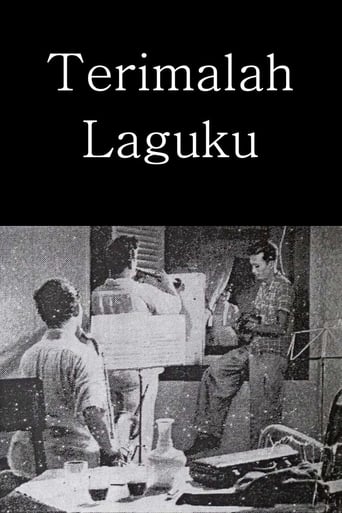
Iskandar is a talented clarinet player who trains under an old musician named Sobari. He also has moral support from his girlfriend. But when he becomes successful, he forgets about Sobari, his friends and his girlfriend. Only when his career crumbles does Iskandar remember again his girlfriend and friends.
 Al Kautsar · 1977
Al Kautsar
★ 8.01977
MovieDrama
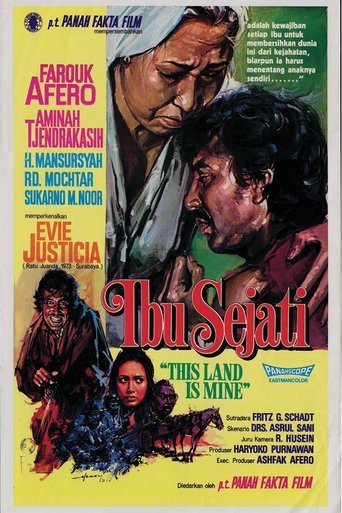 Ibu Sejati · 1973
Ibu Sejati
1973
MovieDramaAction
Assisted by the Dutch, Landlord Darto (Mansjur Sjah) manages to accumulate wealth by deceiving farmers. One of the poor farmers who tried to defend his farmland was killed. The poor farmer's son Sani (Farouk Afero) returns home from boarding school to look for his father's killer.
Filmography
Sort