Directing
Norman Yonemoto
Born January 1, 1946 · Chicago, Illinois, USA
Died February 28, 2014 · aged 68
Norman Yonemoto was a Japanese-American filmmaker who frequently collaborated with his brother Bruce Yonemoto.
Known For
 Savage Streets · 1984
Savage Streets
★ 6.31984
MovieActionCrime
Brenda, vivacious leader of the "Satins", a fun-loving group of pretty high school girls, searches for deadly vengeance against the gang members who assaulted her deaf-mute sister.
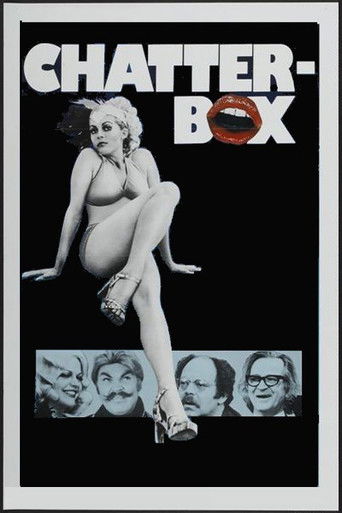 Chatterbox! · 1977
Chatterbox!
★ 5.11977
MovieComedyFantasy
A young woman who works in a beauty parlor discovers that her vagina can talk, which causes her no end of trouble.
 Kappa · 1986
Kappa
★ 7.01986
MovieDocumentaryAnimation
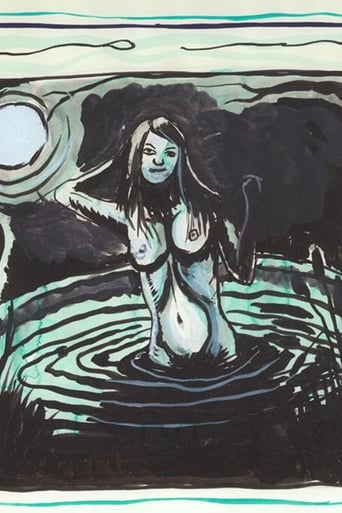
Deconstructing the myth of Oedipus within the framework of an ancient Japanese folk story, the Yonemotos craft a highly charged discourse of loss and desire. Quoting from Bunuel, Freud, pop media and art, they place the symbology of Western psychosexual analytical theory into a cross-cultural context, juxtaposing the Oedipal and Kappa myths in a delirious collusion of form and content. The Kappa, a malevolent Japanese water imp, is played with eerie intensity by artist Mike Kelley; actress Mary Woronov plays Jocasta as a vamp from a Hollywood exploitation film. Steeped in perversions and violent longings, both the Kappa and Oedipus legends are presented in highly stylized, purposefully "degraded" forms, reflecting their media-exploitative cultural contexts. In this ironic yet oddly poignant essay of psychosexual compulsion and catharsis, the Yonemotos demonstrate that even in debased forms, cultural archetypes hold the power to move and manipulate.
 Garage Sale · 1976
Garage Sale
★ 3.01976
Movie
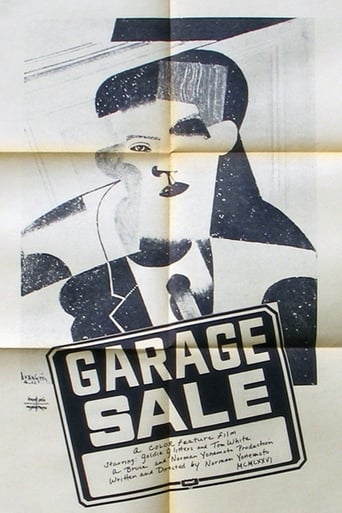
GARAGE SALE is a campy feature centered on a story of marital upheaval between drag queen Goldie Glitters and her fair-haired husband, Hero. A onetime member of San Francisco’s legendary Cockettes theatre troupe, Goldie was famously crowned Santa Monica College’s 1975 Homecoming Queen, captured in Bruce Yonemoto’s documentary HOMECOMING (1975). GARAGE SALE subverts the drag aspect of Goldie’s performance enabling her to sympathetically play a woman whose fantasies and expectations have been shaped by Hollywood romance films. The film follows the couple as Hero tries to regain Goldie’s love by seeking the advice of a cast of eccentric characters.
 Made in Hollywood · 1990
Made in Hollywood
★ 7.31990
Movie
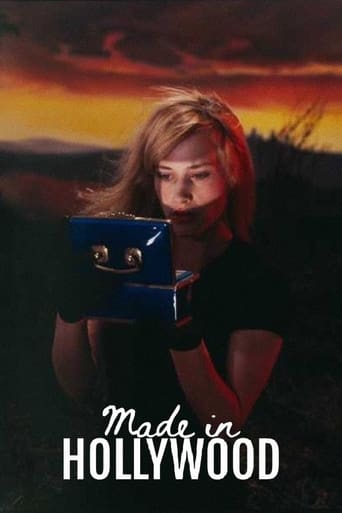
A parable of the Hollywood image-making industry told through a pastiche of narrative cliches.
 Romanic · 1980
Romanic
1980
Movie
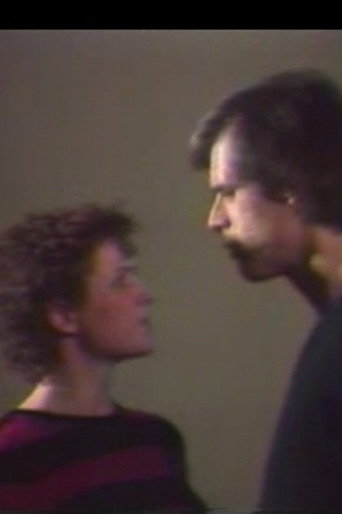
A couple's violent argument is repeated three times in this video, first in long shot, then in medium shot, and finally in close shot. As the camera moves in, the sound moves in the opposite direction; from a close perspective to silence. The subject of the argument satirically underscores the role electronic media plays in undermining the basic tenets of romantic relationships.
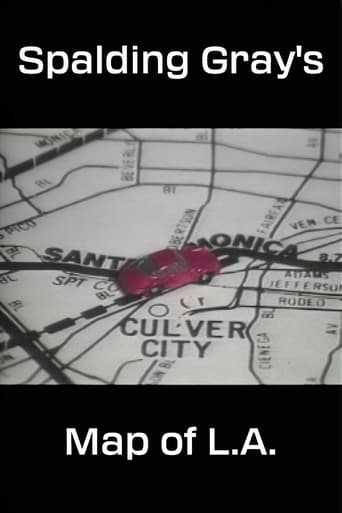 Spalding Gray's Map of L.A. · 1984
Spalding Gray's Map of L.A.
★ 5.01984
MovieComedy
Spalding Gray comes to LA to perform a set of monologues.
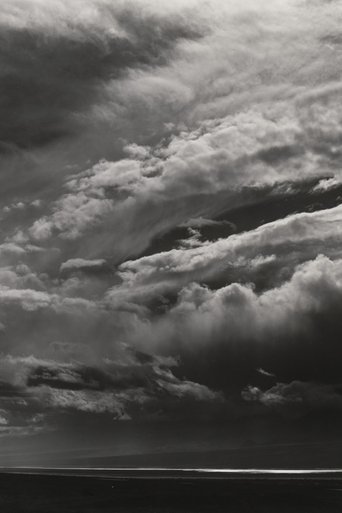 A History of Clouds · 1991
A History of Clouds
1991
Movie
The sky looms in the background of all human activity. It is elementary then that artists should be preoccupied with a phenomenon whose ageless nature remains elusive and opaque. Bruce and Norman Yonemoto's A History of Clouds (33:46 mins, Color) investigates the representation of clouds as they appear in art, first as amorphic elements in early oil painting, then as photographically reproduced elements of 20th-century works. This premiere videowork ends in the advertising studio where clouds provide a "natural" backdrop for commodified dreams. The journey from representation to sales presentation is complete.
Filmography
Sort