Acting
Ron Randell
Born October 8, 1918 · Sydney, New South Wales, Austrailia
Died June 11, 2005 · aged 86
Ron Randell (1918-1994) was an accomplished Australian actor who enjoyed a prolific career in film, television, and theater. Born in Sydney, Randell discovered his passion for acting at a young age and began honing his craft through local productions before transitioning to the professional stage. In the 1940s, Randell made his film debut in the Australian movie "Forty Thousand Horsemen" and quic…
Known For
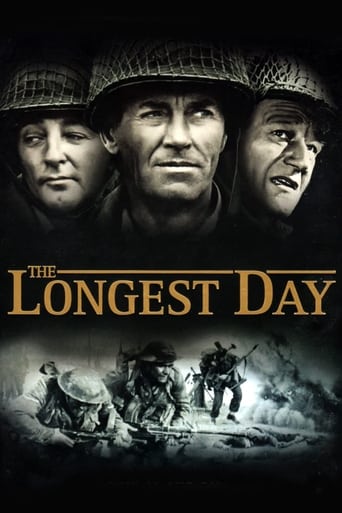 The Longest Day · 1962
The Longest Day
★ 7.61962
MovieWarDrama
The retelling of June 6, 1944, from the perspectives of the Germans, US, British, Canadians, and the Free French. Marshall Erwin Rommel, touring the defenses being established as part of the Reich's Atlantic Wall, notes to his officers that when the Allied invasion comes they must be stopped on the beach. "For the Allies as well as the Germans, it will be the longest day"
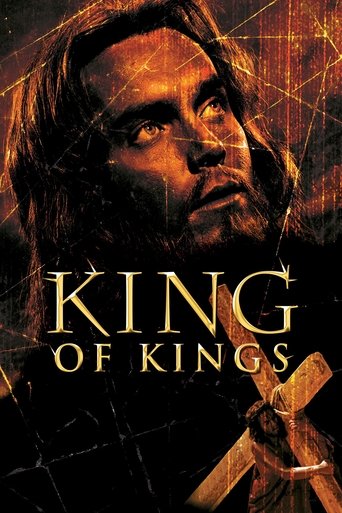 King of Kings · 1961
King of Kings
★ 7.21961
MovieDramaHistory
Who is Jesus, and why does he impact all he meets? He is respected and reviled, emulated and accused, beloved, betrayed, and finally crucified. Yet that terrible fate would not be the end of the story.
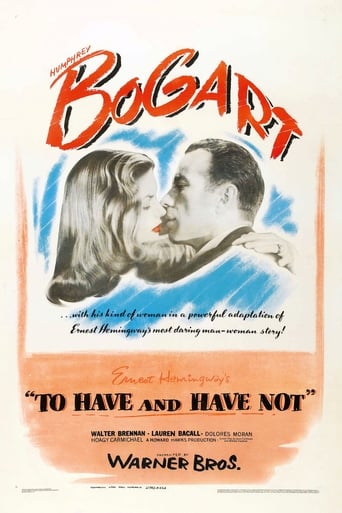 To Have and Have Not · 1945
To Have and Have Not
★ 7.41945
MovieAdventureRomance
A Martinique charter boat skipper gets mixed up with the underground French resistance operatives during WWII.
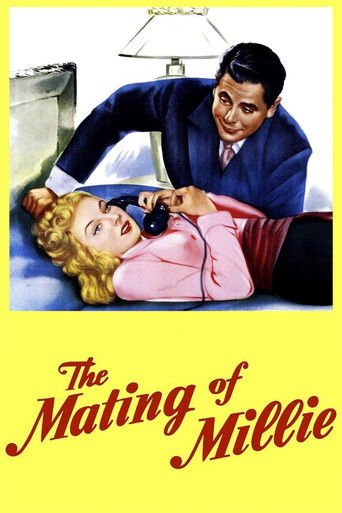 The Mating of Millie · 1948
The Mating of Millie
★ 6.91948
MovieComedyRomance
Self-sufficient in life and successful in business, prim and proper Millie McGonigle wants just one more thing, a child. When she asks to adopt orphan Tommy Bassett, but learns that she will first have to have a husband, Millie turns to a recently fired bus driver, Doug Andrews. Though he has no interest in marriage, Doug offers to help Millie find a husband by transforming her into a beautiful and exciting woman, one who catches the eye of two eligible bachelors, including the orphanage's president.
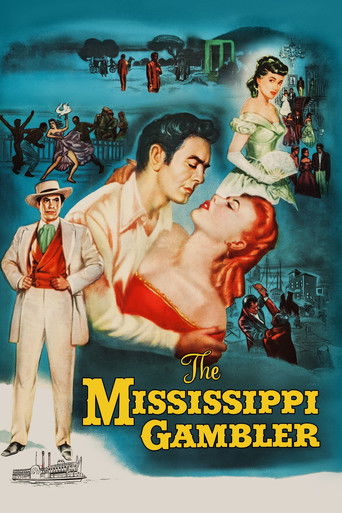 The Mississippi Gambler · 1953
The Mississippi Gambler
★ 7.21953
MovieRomanceAdventure
Mark Fallon, with partner Kansas John Polly, tries to introduce honest gambling on the riverboats. His first success makes enemies of the crooked gamblers and of fair Angelique Dureau, whose necklace he won. Later in New Orleans, Mark befriends Angelique's father, but she still affects to despise him as his gambling career brings him wealth. Duelling, tragedy, and romantic complications follow.
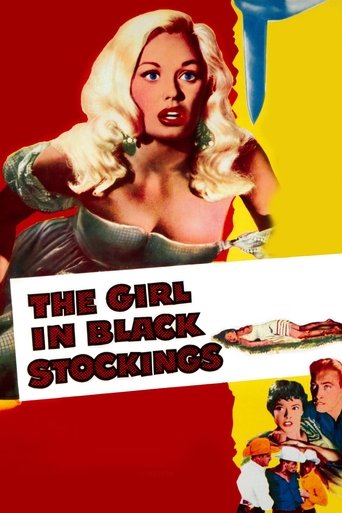 The Girl in Black Stockings · 1957
The Girl in Black Stockings
★ 6.11957
MovieCrimeDrama
Residents at a posh Utah hotel become suspects when a girl is found murdered during a pool party. Local sheriff Jess Holmes takes charge of the investigation and must discover who among the terrified guests and staff -- including bodacious vixen Harriet Ames, the hotel's bitter, crippled proprietor, visiting lawyer David Hewson and his secretary, Beth -- is the culprit, even as murders continue to take place.
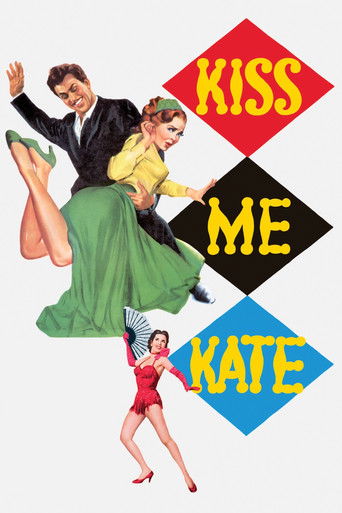 Kiss Me Kate · 1953
Kiss Me Kate
★ 6.51953
MovieMusicComedy
A pair of divorced actors are brought together to participate in a musical version of The Taming of the Shrew. Of course, the couple seem to act a great deal like the characters they play, and they must work together when mistaken identities get them mixed up with the mafia.
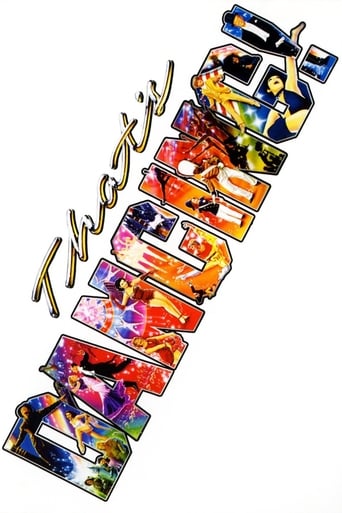 That's Dancing! · 1985
That's Dancing!
★ 6.91985
MovieDocumentaryMusic
A documentary film about dancing on the screen, from its origins after the invention of the movie camera, over the movie musical from the late 20s, 30s, 40s, 50s, and 60s, up to the break dance and music videos from the 80s.
Filmography
Sort
To Have and Have Not · 1945To Have and Have Not
★ 7.41945
MovieAdventureRomance
A Martinique charter boat skipper gets mixed up with the underground French resistance operatives during WWII.
Naval Ensign (uncredited)
That's Dancing! · 1985That's Dancing!
★ 6.91985
MovieDocumentaryMusic
A documentary film about dancing on the screen, from its origins after the invention of the movie camera, over the movie musical from the late 20s, 30s, 40s, 50s, and 60s, up to the break dance and music videos from the 80s.
From 'Kiss Me Kate' (archive footage)