J
Directing
Jean Tarride
Born March 15, 1901 · Paris, Ile-de-France, France
Died June 5, 1980 · aged 79
No biography available.
Known For
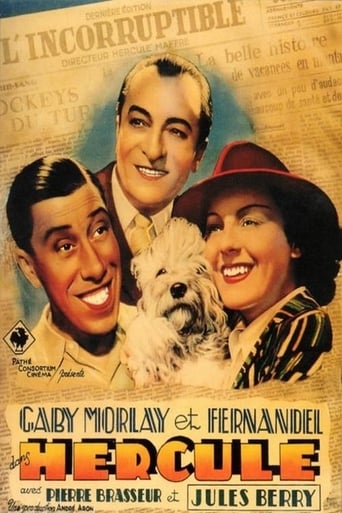 Hercule · 1938
Hercule
★ 6.71938
MovieComedy
Hercule, a young peasant, inherits a Parisian newspaper with a large circulation. The editor-in-chief, Vasco, takes advantage of his ignorance to make corruption prevail. But Hercules gradually realizes the role that we make him play.
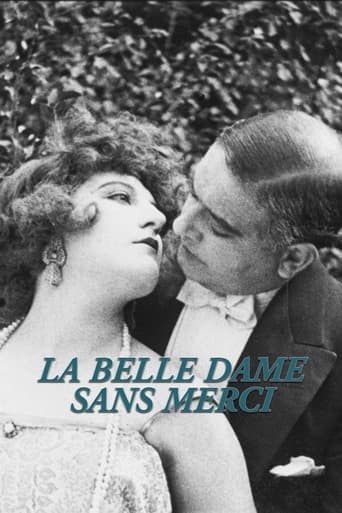 The Beautiful Woman Without Mercy · 1921
The Beautiful Woman Without Mercy
★ 7.01921
MovieDramaRomance
"Taking its title from John Keats’s early 19th-century poem, this highly personal melodrama finds Dulac interrogating the archetype of the femme fatale. La belle dame sans merci follows a famous actress who was once seduced and abandoned by a rich man and subsequently resolved to become a “merciless woman,” forever scheming to hurt others (men in particular) in a ruthless yet captivating manner. Dulac challenges the Romantic archetype embodied in Keats’s poem by way of symbolist mise en scène, self-reflexive narration, and her typically associative approach to editing, locating a modern ambiguity within the stereotypical figures of 19th-century art." - Film Society of Lincoln Center
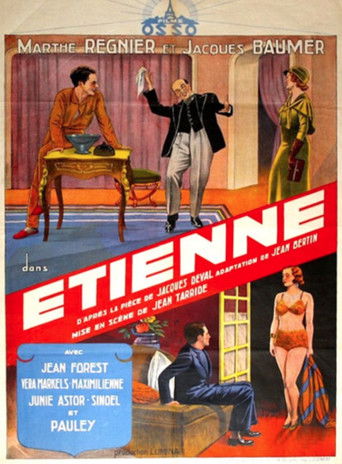 Étienne · 1933
Étienne
★ 9.01933
MovieComedyDrama
Étienne, a very sensitive being, watches helplessly as his mother suffers from his father's infidelities. He tries to seduce his father's next conquest without his knowledge.
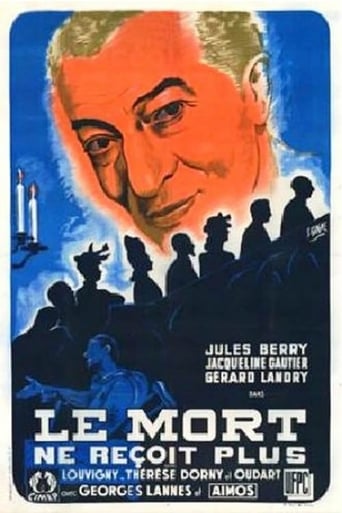 Le mort ne reçoit plus · 1944
Le mort ne reçoit plus
★ 7.01944
Movie
The relatives of Jérôme Armandy gather at his château in Provence to hear the reading of his will, with the prospect of an inheritance of seventeen million francs hidden away on the property.
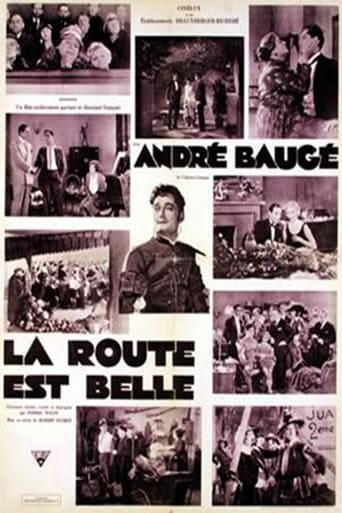 The Road Is Fine · 1929
The Road Is Fine
★ 10.01929
MovieDramaMusic
 Prisoner of My Heart · 1932
Prisoner of My Heart
★ 8.01932
Movie
Having fallen madly in love with the daughter of a prison guard, Guignolet climbs the wall to free her. He falls into this prison yard where he ends up being a prisoner in the heart of the delicious daughter of the guard.
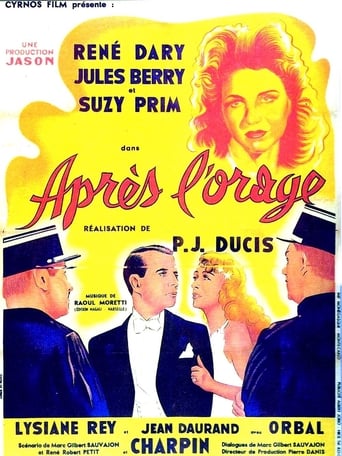 After the Storm · 1941
After the Storm
★ 7.01941
MovieComedyDrama
René Sabin, engineer, disappointed by failures, leaves his village in the South to go to Paris with friends. In the capital, he befriends dubious people, in particular Alex Krakow who does not disdain shady business. Then comes the war. René is mobilized then returns to the country, and finds with joy his fiancée.
 The Yellow Dog · 1932
The Yellow Dog
★ 6.51932
MovieCrimeMystery
Maigret investigates in Concarneau where the passage of a yellow dog accompanies a series of murders, sowing terror in the population. The police seem helpless. It must be said that it has no significant evidence.
Filmography
Sort
The Road Is Fine · 1929The Road Is Fine
★ 10.01929
MovieDramaMusic
Assistant Director