Directing
Santiago Loza
Born April 15, 1971 · Córdoba, Argentina (age 55)
No biography available.
Known For
 Carnaval · 2014
Carnaval
2014
Movie
Rina and Yaco are two single brothers who live in a town in the interior of Santa Fe and work together in the warehouse in front of their house. Every day seems the same: without leaving, almost without speaking. But today is the carnival dance and something can change.
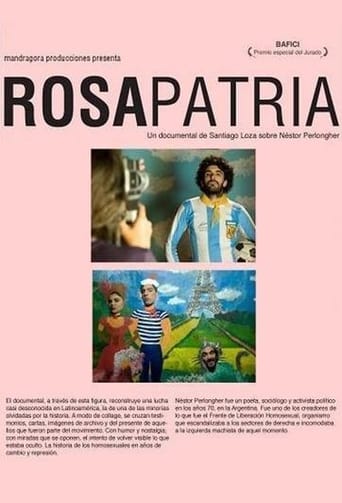 Pink Motherland · 2009
Pink Motherland
2009
MovieDocumentary
A documentary about Néstor Perlongher. His life, his poems, and his activism in Argentina's Frente de Liberación Homosexual (homosexual liberation front).
 Pin Boy · 2004
Pin Boy
★ 8.32004
MovieDrama
A country boy tries to find his place in Buenos Aires. He goes to live with his cousin in the outer suburbs and works as a parapalos ("pin setter") in one of the city's last hand-operated bowling alleys.
 The Laugh · 2009
The Laugh
2009
MovieComedyDrama
Follows a group of friends adrift in a swampy after-hour: at dawn after a party, where the body struggles between arousal and extenuation.
 As Close as Possible · 2012
As Close as Possible
★ 6.02012
Movie
Downtrodden after some missteps in life, Daniel returns home. Work is non-existent, his ex-wife expects financial help he can't give her, and things are looking bleak. Yet as he prepares to become Godfather to his sister's son, who's soon to be baptised, he rediscovers a purpose - for a few days, at least.
 Malambo, The Good Man · 2018
Malambo, The Good Man
★ 5.72018
MovieDrama
Dignified, strong and formidable, and oozing erotic attraction: young malambo dancer Gaspar is at one with his passion for dance that he has made his profession.
 Strange · 2003
Strange
★ 6.02003
MovieDramaRomance
The protagonist is Axel, aged about 40, a doctor who no longer practices his craft. He is living temporarily with his sister and her children. He doesn't do much, just exists a little between the living and their things. One day, he meets a young, pregnant woman. A relationship develops, a kind of love, and they live together, like driftwood temporarily clinging on to each other.
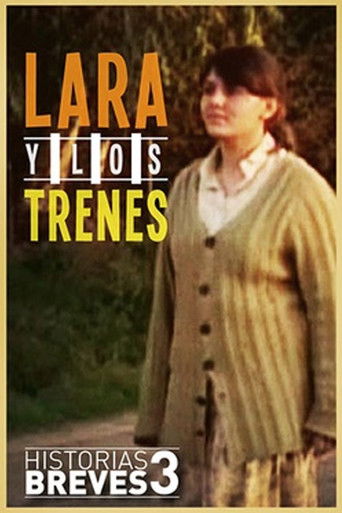 Lara y los trenes · 1999
Lara y los trenes
★ 8.01999
MovieDrama
Lara must take the train every day to go to work. In that monotony she meets someone special, but it is not what she imagined.