
Acting
Alla Osipenko
Born June 16, 1932
Died May 12, 2025 · aged 92
No biography available.
Known For
 The Secret of Success · 1964
The Secret of Success
1964
Movie
A look behind the scenes at the Bolshoi Theatre. This feature-length ballet film explores the Russian school of realistic dance and highlights the immense daily effort that goes into an artist’s preparation before they take to the stage. Chronicles the arduous journey to mastery: from the first lessons of the kids who joined the ballet class, to the performances of famous dancers – the public’s idols, who have already mastered the magical lightness and beauty of choreography, the pinnacle of this art.
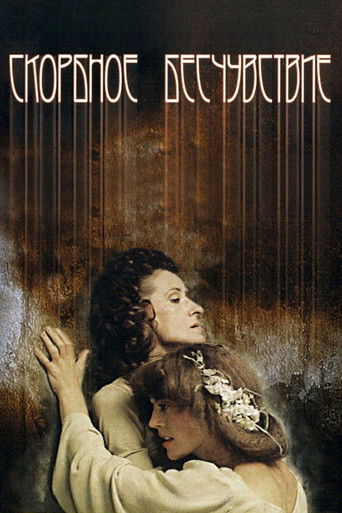 Mournful Unconcern · 1987
Mournful Unconcern
★ 4.91987
MovieDrama
The action in this lavishly produced film takes place at an oddly ark-shaped mansion during World War I, and in spirit (although not in story) it reflects the play which inspired it, the ferociously antiwar Heartbreak House by George Bernard Shaw. A large group of family and friends have gathered at this country house to dance, drink, and converse. Their conversation, in particular, is adorned with erudite literary references and quotations. Despite their apparent refinement, their preoccupations are simple: sex and violence. Disquieting images break the tranquility of the vacationers' inappropriate idyll: some of these include documentary footage of starving African children, images (both real and re-enacted) of George Bernard Shaw going about his daily life, and a corpse coming to life on an autopsy table, only to cheapen that miracle by scolding a group of women. The music used in the film ironically points to its disturbing message and is uniformly anachronistic.
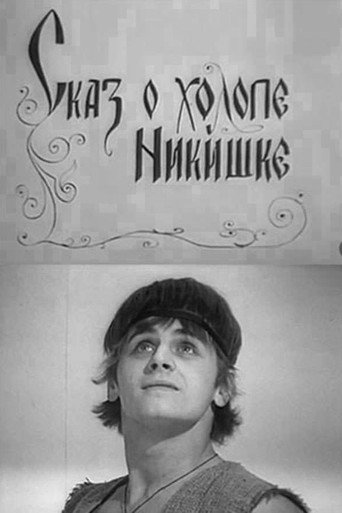 The Tale of the Lackey Nikishka · 1969
The Tale of the Lackey Nikishka
1969
MovieMusicTV Movie
A ballet film based on a folk legend about a lackey who tried to fly with homemade wings.
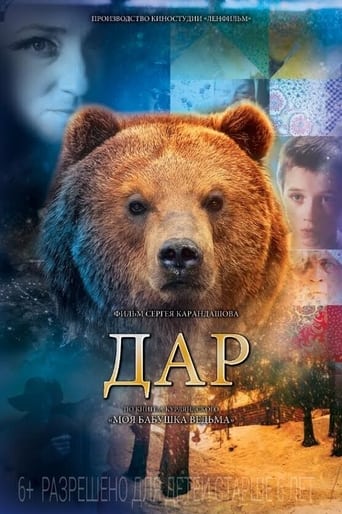 Gift · 2013
Gift
2013
MovieFamilyDrama
When you are eleven years old, it seems that anything can happen to you. Especially when your grandmother comes to visit you, who knows how to do magic. You can even learn magic yourself, and then your life will become like a dream: sometimes scary, sometimes intoxicating, then completely unlike anything else. But in order to find a talent in yourself, or save a friend, or just make sure that at least someone really loves you, then you have to try yourself. And no magic will help here.
 Empire · 1987
Empire
★ 5.01987
MovieMysteryDrama
A rich woman accidently comes across a conversation on the phone about people talking about a murder.
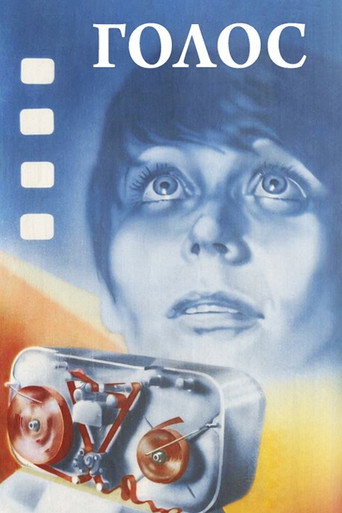 The Voice · 1982
The Voice
★ 4.81982
MovieDrama
An actress needs to dub her voice after the production of her movie has wrapped. At the same time, she is facing a life crisis that alters her plans: just released from the hospital, she realizes that her illness is more than she can emotionally handle. Overwhelmed, she has to look at the simple task of dubbing from a completely new perspective.
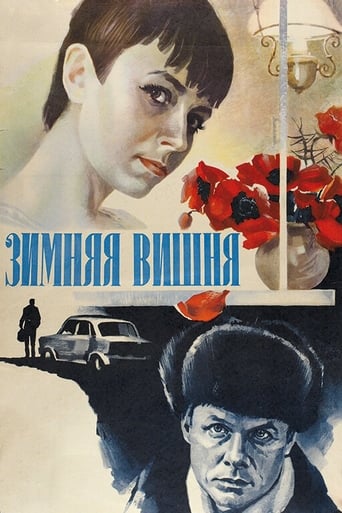 Winter Cherries · 1985
Winter Cherries
★ 5.11985
MovieComedyDrama
Olga, is a young intelligent woman who raises a young son. She ends up falling in love with a married man who does not dare to leave his family.
Filmography
Sort