Directing
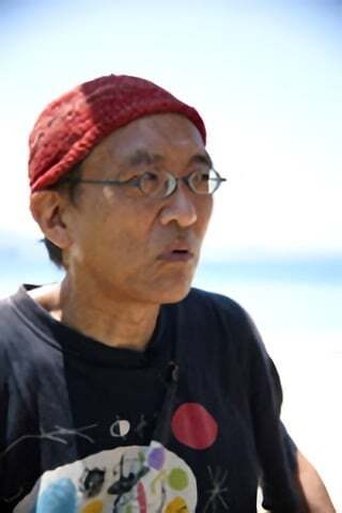
Ko Nakajima
Born January 1, 1941 · Kumamoto, Japan (age 85)
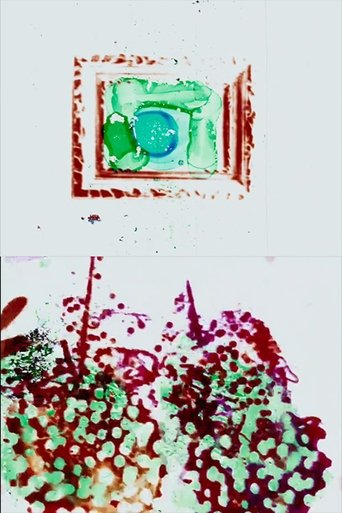
Nakajima Ko began his career in experimental animation with the creation of works such as Seizoki (1964). At his solo exhibition at the Sogetsu Art Center, a space for avant-garde art in 1960s Tokyo, he produced Seizoki by painting directly on the film between screenings. His perennial interest in integrating new technologies, exploring the potential of film, video, and eventually computer animati…
Known For
Biological Cycle No. 1 · 1971Biological Cycle No. 1
1971
MovieAnimation
Biological Cycle No. 5 · 1982Biological Cycle No. 5
1982
MovieAnimation
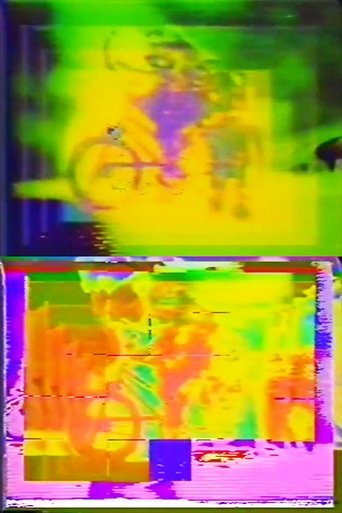
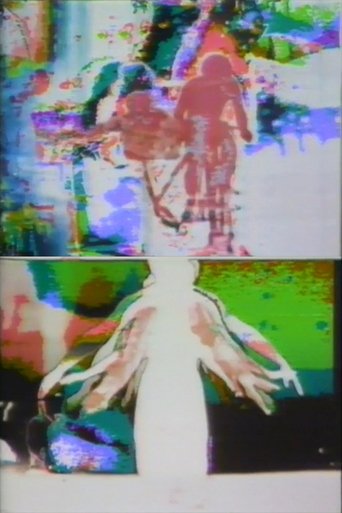
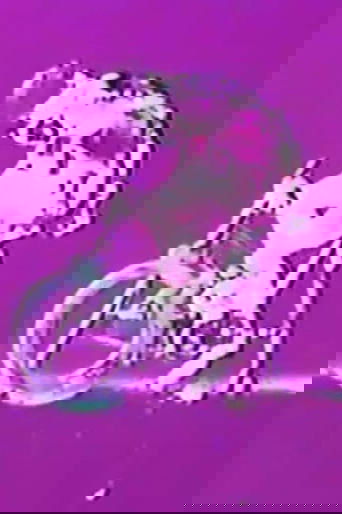
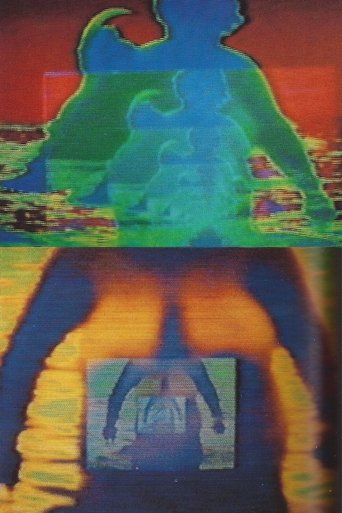
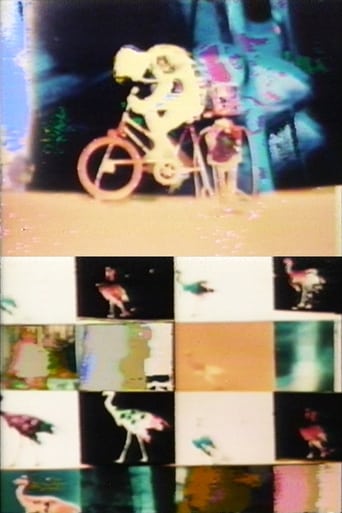
The series, based on the first 16mm film that was shot in a studio with Nakajima’s family and birds, moves through media and processing transformations over many iterations over the years. Once transferred to video, digital effects were added using the “Animaker,” an electronic image synthesizer that he invented (also nicknamed “Ko-puter”). Total of 6 parts exist.
Biological Cycle No. 2 · 1971Biological Cycle No. 2
1971
MovieAnimation
The series, based on the first 16mm film that was shot in a studio with Nakajima’s family and birds, moves through media and processing transformations over many iterations over the years. Once transferred to video, digital effects were added using the “Animaker,” an electronic image synthesizer that he invented (also nicknamed “Ko-puter”). Total of 6 parts exist.
Biological Cycle No. 3 · 1971Biological Cycle No. 3
1971
MovieAnimation
The series, based on the first 16mm film that was shot in a studio with Nakajima’s family and birds, moves through media and processing transformations over many iterations over the years. Once transferred to video, digital effects were added using the “Animaker,” an electronic image synthesizer that he invented (also nicknamed “Ko-puter”). Total of 6 parts exist.
Anapoko · 1963Anapoko
1963
MovieAnimation
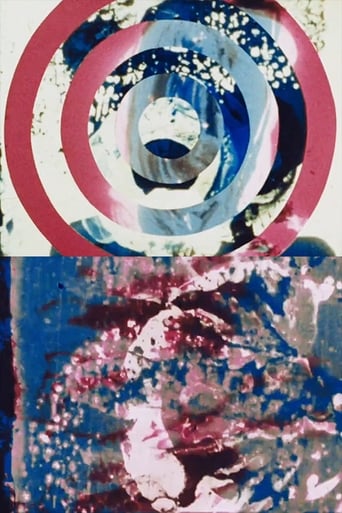
After graduating from Tama University of Arts, Nakajima made this work with the intention of submitting to the Sogetsu Animation Festival. Without much funding to work with, Nakajima devised the technique “Kaki-mation,” a method of drawing directly on 35mm film. At this time, he frequented Studio Zero—the formative mainstream animation / cartoon production company of the period with members Shinichi Suzuki, Jiro Tsunoda, Fujiko Fujio, and others.
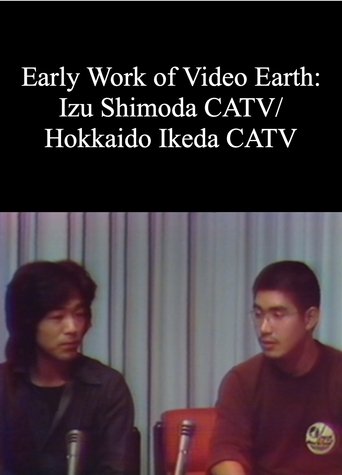
Early Work of Video Earth: Izu Shimoda CATV/ Hokkaido Ikeda CATVEarly Work of Video Earth: Izu Shimoda CATV/ Hokkaido Ikeda CATV
Movie
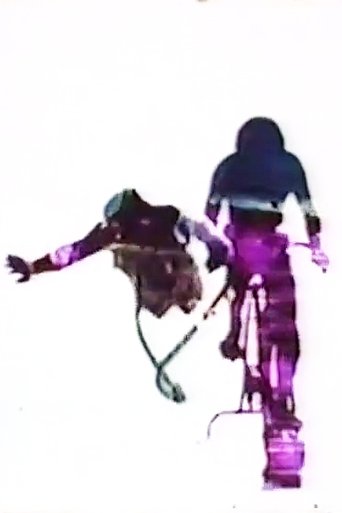
A document of the nascent collective Video Earth's activities relating to the programming, operation and organisation of cable access television networks across Japan.
My Life · 1976My Life
1976
MovieDocumentary
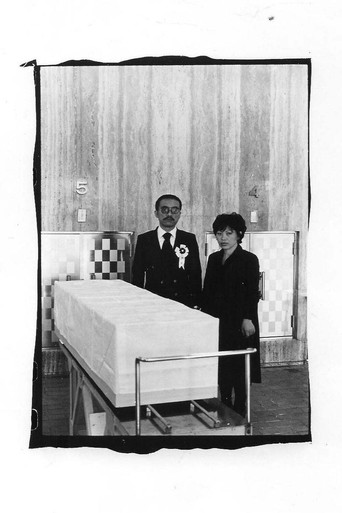
This work was started in 1967 as a documentation of Nakajima’s life. The footage was edited into a single piece for the first time in 1974, in time to show the work to the curator Barbara London, who was visiting Japan. Generations of his family were lost and gained that year, with Nakajima's mother passing away, and then his child was born. The piece is an installation with two monitors; the left presents his mother and himself, and the right, his child and himself. Nakajima continues to work on the sequels of "My Life" with his grandchild.
Biological Cycle No. 4 · 1971Biological Cycle No. 4
1971
MovieAnimation
The series, based on the first 16mm film that was shot in a studio with Nakajima’s family and birds, moves through media and processing transformations over many iterations over the years. Once transferred to video, digital effects were added using the “Animaker,” an electronic image synthesizer that he invented (also nicknamed “Ko-puter”). Total of 6 parts exist.
Filmography
Sort