Writing
Aeschylus
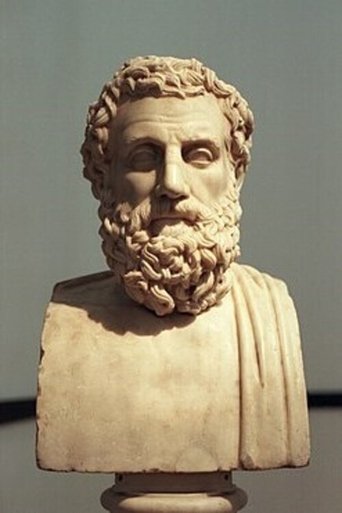
Aeschylus (Ancient Greek: Αἰσχύλος c. 525/524 – c. 456/455 BC) was an ancient Greek tragedian often described as the father of tragedy. Academic knowledge of the genre begins with his work, and understanding of earlier Greek tragedy is largely based on inferences made from reading his surviving plays. According to Aristotle, he expanded the number of characters in the theatre and allowed conflict …
Known For
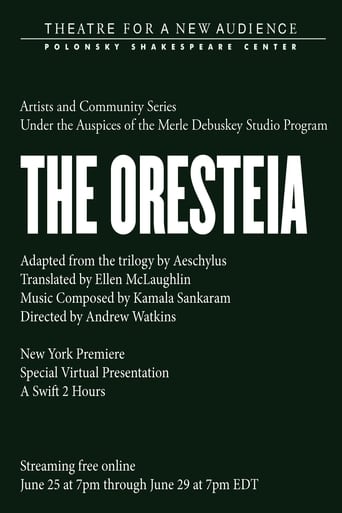
 The Oresteia · 2026
The Oresteia
2026
MovieThrillerComedy
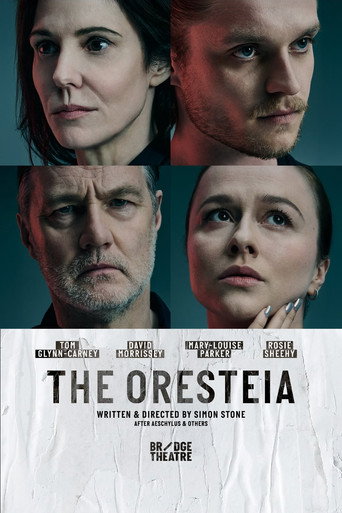
A family is haunted by its part in an unjust war, the painful burden of inherited trauma and intergenerational conflict, and the descent into an increasingly merciless vortex of violence. Simon Stone's adaptation of The Oresteia trilogy of Aeschylus' Greek tragedies (consisting of Agamemnon, The Libation Bearers, and The Eumenides), shows us that as long as humankind wages wars and families tear themselves apart, this story will remain painfully, cathartically relevant. Stage play performed at The Bridge Theatre in London, UK.
 Forgotten Pistolero · 1969
Forgotten Pistolero
★ 6.11969
MovieWestern
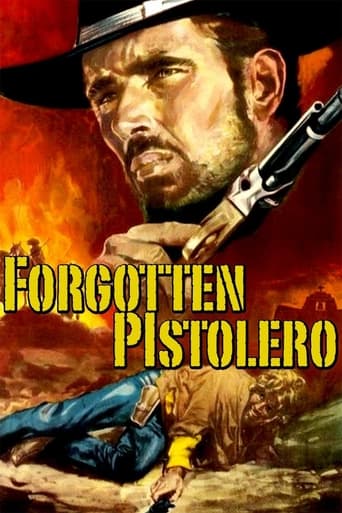
Mann is a gunman informed by a childhood friend that his father was murdered years earlier by his mother and her lover. To make matters worse, Mann's sister, who is in love with his friend, is held under the thumb of his murderous mom. The two gunmen ride off to have a reckoning with her.
 Hercules Unchained · 1959
Hercules Unchained
★ 5.01959
MovieFantasyAction
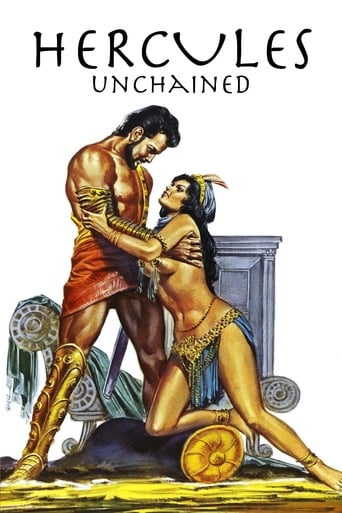
En route to Thebes for an important diplomatic mission, Hercules drinks from a magic spring and loses his memory. He spends most of the movie in the pleasure gardens of Queen Omphale of Lydia. While young Ulysses tries to help him regain his memory, political tensions escalate in Thebes, and Hercules' new wife Iole finds herself in mortal danger.
 Fragments of an Alms-Film · 1972
Fragments of an Alms-Film
★ 6.91972
MovieComedy
Maria works in a German umbrella factory as the foreman of the production sector. João Lucas has given up on living a normal life and practically lives in bed, in the midst of green plants. His father expressly desired that his son film this eccentric daily life in 8 mm format. Maria’s wages are dilapidated to the last penny by this amateur, monstrous, family movie production.
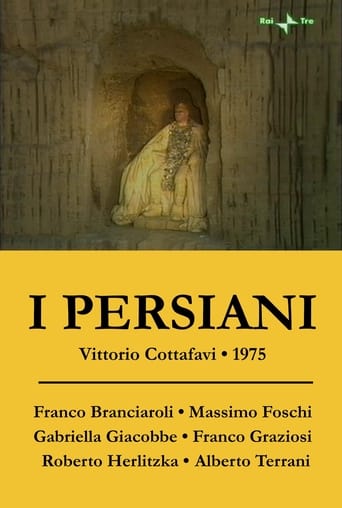
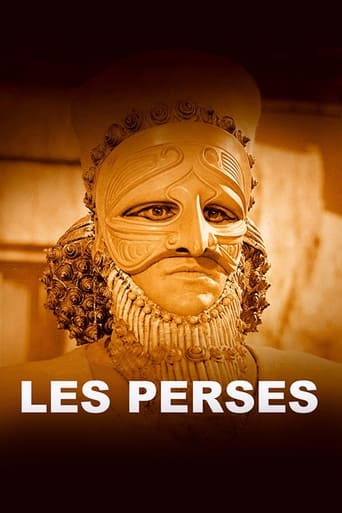 The Persians · 1961
The Persians
★ 8.01961
MovieHistoryTV Movie
Les Perses (The Persians) is a French TV movie adaptation of Aeschylus' oldest known tragedy, Πέρσαι (Persai). It was originally broadcasted in October 31, 1961. The play deals with the aftermath of the Persian defeat in the battle of Salamis (480 BC), which makes it the only Greek tragedy that deals with a real historical event.
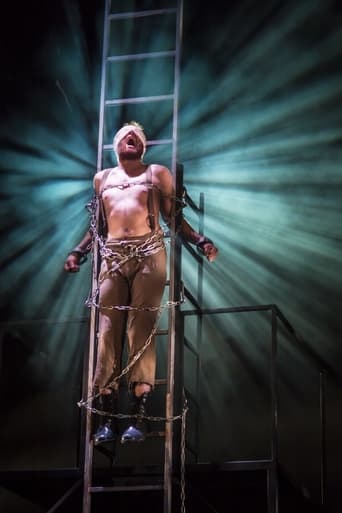 Prometheus · 2015
Prometheus
2015
MovieDrama
This is a film of the 2013 Cambridge Greek Play production of Prometheus, presented at the Cambridge Arts Theatre.
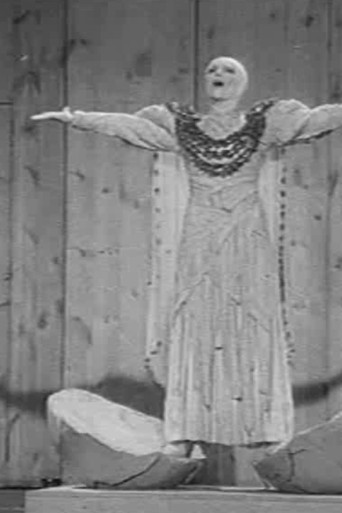 Orestea · 1972
Orestea
★ 10.01972
MovieDrama
The story of the “Oresteia” begins with King Agamemnon's return to Argos after the fall of Troy. The chorus, composed of old Argives, recalls the sacrifice offered to the gods by Agamemnon, in Aulis, of his daughter Iphigenia to gain their favor.
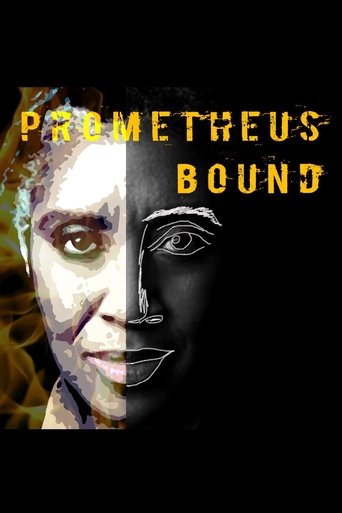
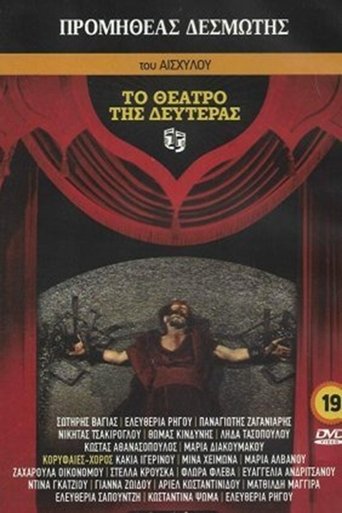
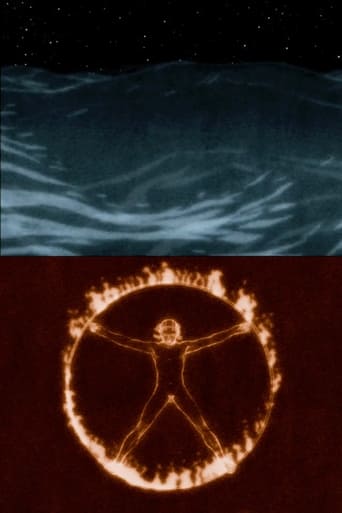 Prometheus Bound · 2004
Prometheus Bound
2004
MovieDramaAnimation
Based on the play of the same name by Aeschylus , it retells the myth of Prometheus, who stole fire from the gods to benefit mankind, and as a result was crucified atop a mountain.
Filmography
Sort