Directing
Kamran Shirdel
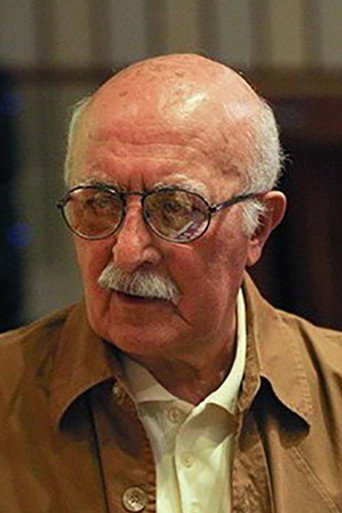
Kamran Shirdel (Persian: کامران شیردل; born 1939 in Tehran) is an Iranian documentarist. He studied architecture and urbanism at the University of Rome and film direction at the Centro Sperimentale di Cinematografia of Rome, graduating in 1964. He worked as an assistant director with John Huston on The Bible before making his diploma film, Gli Specchi (The Mirrors), in Rome. He returned to Iran…
Known For
 Wagon Pars · 1987
Wagon Pars
1987
Movie
Shirdel made a fertile production of highly praised industrial and educational films. "Wagon Pars" is a fine example of his industrial documentaries.
 Cradle of Sun · 2001
Cradle of Sun
2001
MovieDocumentary
Cradle of Sun
 The Mirrors · 1964
The Mirrors
1964
Movie
Kamran Shirdel's 1964 diploma film at the Centro Sperimentale di Cinematografia of Rome unfolds in an urban apartment with a despondent man, who appears to be an artist or a writer, contemplating his existence through mirrors set about the room. Featuring the music of Anton Webern's Six Pieces for Orchestra Opus 6, the film has no dialogue. Gli Specchi, also known as The Mirrors, was made in the same period that saw Shirdel working as an assistant director for John Huston on The Bible and it went on to win the diploma of honor in the World Cinema School Film Festival in Tokyo in 1965.
 Women's Quarter · 1966
Women's Quarter
★ 4.61966
MovieDocumentary
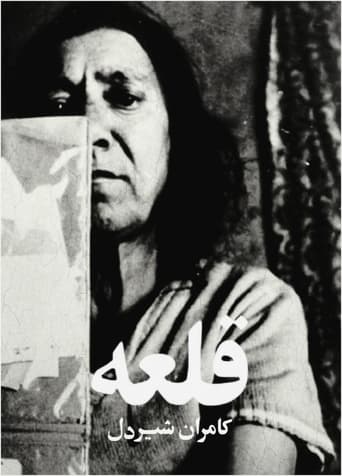
The film shows the life of prostitutes in Tehran's city brothels, an area known as Shahre Now. The film closely follows a number of women and communicates how the burden of social constraints led them to surrender in the face of their common fate. The film does explore the possibility of re-education and development for these women, but in no way does it paint over the hard and brutal reality. The film was produced on behalf of the Organization of Iranian Women and was immediately banned while shooting was still going on. After the revolution, a portion of the material was found, and Shirdel decided to finish the film using photos by the late Kaveh Golestan that were taken more than ten years after the film itself was shot.
 Paykan · 1969
Paykan
1969
MovieDocumentary
Short documentary about the Paykan automobile assembly-line
 Pearls of the Persian Gulf: Dubai 1975 · 1975
Pearls of the Persian Gulf: Dubai 1975
1975
MovieDocumentary
 Gas, Fire, Wind · 1986
Gas, Fire, Wind
1986
MovieDocumentary
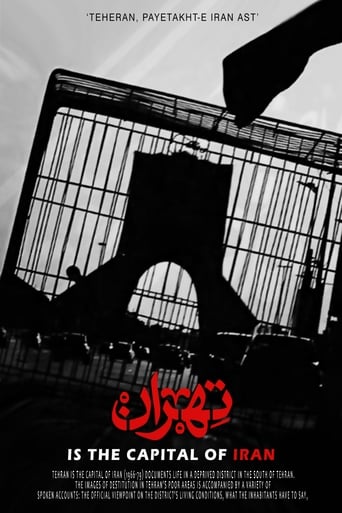 Tehran Is the Capital of Iran · 1966
Tehran Is the Capital of Iran
★ 6.01966
MovieDocumentary
Tehran Is the Capital of Iran (1966-79) documents life in a deprived district in the south of Tehran. The images of destitution in Tehran's poor areas is accompanied by a variety of spoken accounts: the official viewpoint on the district's living conditions, what the inhabitants have to say, and occasional extracts read out of school manuals. The key element in Shirdel's film is the counterpoint effect he creates with image and sound. His impressively powerful portrayal of social unease helps reinforce the impact of his astonishing documentary images and social themes.