Directing
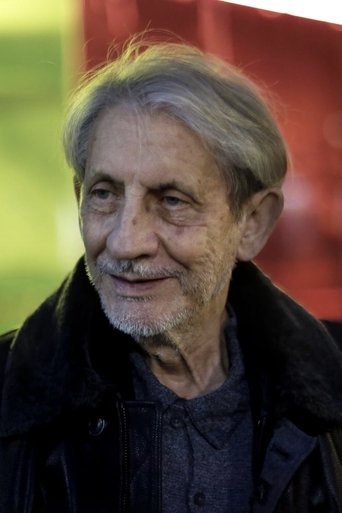
Basilio Martín Patino
Born October 29, 1930 · Salamanca, Salamanca, Spain
Died August 13, 2017 · aged 86
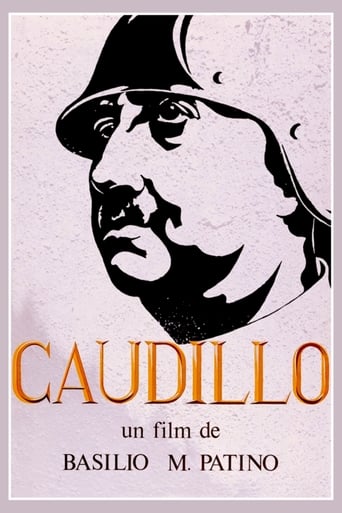
Basilio Martín Patino (Lumbrales, Salamanca, October 29, 1930-Madrid, August 13, 2017) was a Spanish film director, known for the film Nueve cartas a Berta (1965) and for three of his documentaries, Canciones para después de una guerra (1971), Queridísimos verdugos (1973) and Caudillo (1974).
Known For
 Songs for After a War · 1976
Songs for After a War
★ 6.81976
MovieDocumentaryHistory
A particular reading of the hard years of famine, repression and censorship after the massacre of the Spanish Civil War (1936-39), through popular culture: songs, newspapers and magazines, movies and newsreels.
 Nine Letters to Berta · 1966
Nine Letters to Berta
★ 7.21966
MovieDrama
Lorenzo is a young man returns to Spain after spending some time in England, where he fell in love with Berta, the daughter of Spanish immigrants. Lorenzo writes several letters to her trying to convey the beauty of the world her parents left behind.
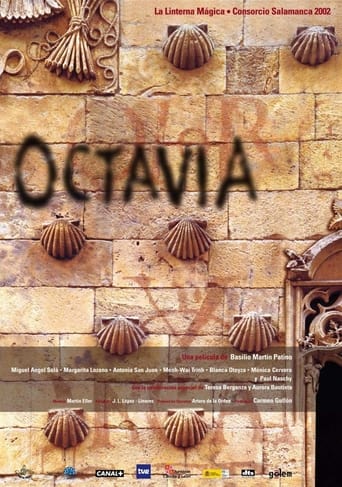 Octavia · 2002
Octavia
★ 9.02002
MovieDramaFamily
Rodrigo returns to his childhood home of Salamanca after a four-decade absence and a career as a guerrilla in Latin America, a secret agent in the Eastern Bloc and an official for an international agency. While Rodrigo may have attempted to put his past life behind him, the memory of his now deceased mother and his old-world family returns to haunt him. In an old city dominated by the weight of tradition, Rodrigo discovers a daughter about whose existence he had never known, as well as a grand-daughter, the enigmatic and beautiful Octavia. A rebellious teenager, Octavia dismisses her grandfather's old politics, possessing her own sense of what freedom means. Patino's film is a poetic, assured contemplation on the pain of returning somewhere you never really left and the accompanying ironies of a man obsessed with history who cannot face his own.
 Las Hurdes, país de leyenda · 1922
Las Hurdes, país de leyenda
★ 7.01922
MovieDocumentary
An account of the journey that King Alfonso XIII of Spain made to the impoverished shire of Las Hurdes, in the province of Cáceres, in the region of Extremadura, in 1922.
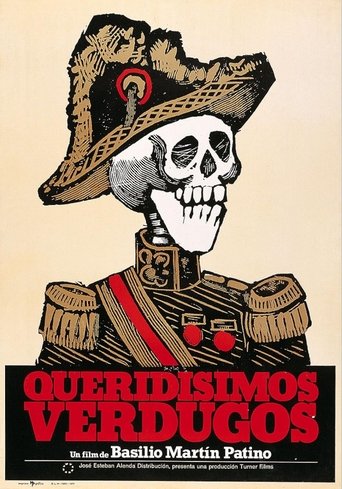 Dearest Executioners · 1977
Dearest Executioners
★ 7.81977
MovieDocumentary
This documentary, filmed clandestinely, is based on several interviews with the executioners who worked in Spain during the early 1970s, as well as families of people executed by them.
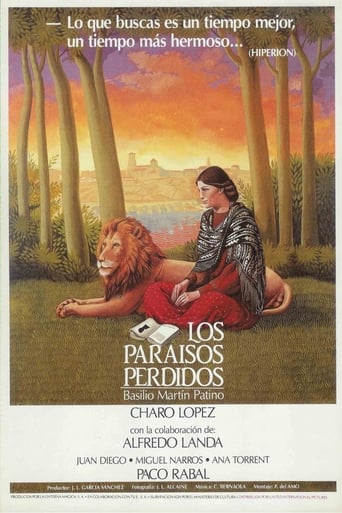 The Lost Paradise · 1985
The Lost Paradise
★ 6.81985
MovieDrama
This literary film is imbued with the disenchantment of Spanish exiles who left their homes to protest Franco's fascist regime and then returned after its demise to find that democracy had not instilled either ethics or deep motivation in government leaders. Director Basilio Martin Patino presents his story, and a large part of the film is based on his own life, through the experiences of an exiled heroine played by Charo Lopez. She has returned to Spain to look for meaning in her life, something that she never found living in Germany, not even after having a child. She is also in the process of translating the German lyric poet Friederich Holderlin (see the 1985 Halfte Des Lebens) into Spanish, focusing on his epic Hyperion. Excerpts from the translation are voiced over throughout the film. As she looks up old friends from many, many years ago, even those who have achieved worldly success are suffering from the same ennui that propelled her back home.
 Inquisición y libertad · 1982
Inquisición y libertad
★ 5.01982
MovieDocumentary
 Madrid · 1987
Madrid
★ 6.41987
MovieDramaRomance
A German documentary filmmaker travels to Madrid to do a TV program about the city and the Spanish civil war commemorating its 50th anniversary.