Warren Sonbert

Directing

Warren Sonbert

Born June 26, 1947 · Brooklyn, NY

Died May 31, 1995 · aged 47

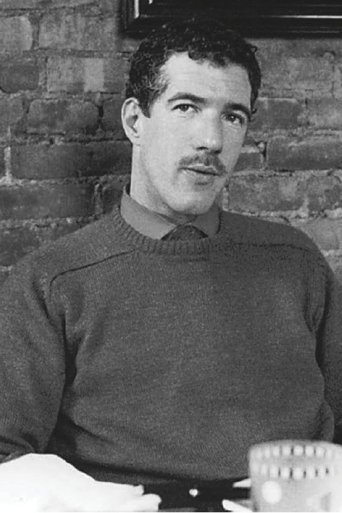
Warren Sonbert (1947-1995), was one of the key figures of American independent filmmaking. Works spanning Sonbert's entire career are now available for rental through Canyon Cinema, beginning with AMPHETAMINE (1966), made when he was still a teenager at New York University film school, through WHIPLASH (1995/1997), completed posthumously according to the filmmaker's specific instructions. Sonbert …

Known For
WhiplashWhiplash · 1997
Whiplash
1997
Movie
During the years preceeding his death, Sonbert channeled his energy into making Whiplash. His vision and motor skills impaired, he gave his companion, Ascension Serrano, detailed instructions about the assembly of specific shots and the music to be used as a counterpoint to the images. Before his death in 1995, he asked filmmaker Jeff Scher (a former student of Sonbert's at Bard) to complete the film. --Jon Gartenberg. Preserved by the Academy Film Archive in partnership with Estate Project for Artists with AIDS in 1996.
HolidayHoliday · 1968
Holiday
8.01968
Movie
Experimental short subject preserved by the Academy Film Archive, in partnership with Estate Project for Artists with AIDS, in 1998.
AmphetamineAmphetamine · 1966
Amphetamine
8.01966
Movie
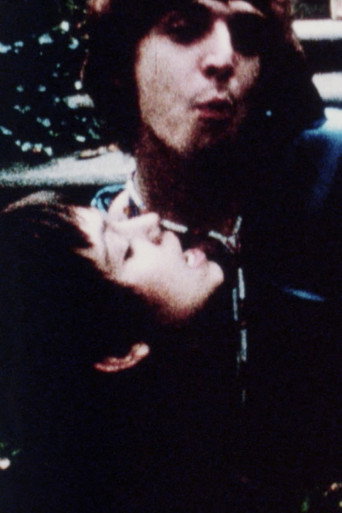
An ode to queer sex and drugs, boys shooting up and kissing. Preserved by the Academy Film Archive in 1998.
Johnny MinotaurJohnny Minotaur · 1971
Johnny Minotaur
5.51971
MovieDrama
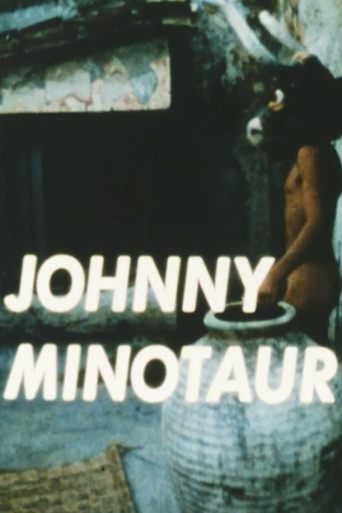
Johnny Minotaur is a lyrical explosion of taboos: incest, intergenerational desire, pansexuality and autoeroticism are a few of the issues Charles Henri Ford grapples with through mythopoeic, sensual imagery, recitations of his diaries and a philosophical debate featuring an impressive narration by such artists as Salvador Dali, Allen Ginsberg, Warren Sonbert and Lynne Tillman.
Carriage TradeCarriage Trade · 1972
Carriage Trade
7.41972
Movie
Carriage Trade was an evolving work-in-progress, and this 61-minute version is the definitive form in which Sonbert realized it, preserved intact from the camera original. With Carriage Trade, Sonbert began to challenge the theories espoused by the great Soviet filmmakers of the 1920’s; he particularly disliked the “knee-jerk’ reaction produced by Eisenstein’s montage. In both lectures and writings about his own style of editing, Sonbert described Carriage Trade as “a jig-saw puzzle of postcards to produce varied displaced effects.” This approach, according to Sonbert, ultimately affords the viewer multi-faceted readings of the connections between individual shots. Preserved by the Academy Film Archive in partnership with Estate Project for Artists with AIDS in 1998.
Rude AwakeningRude Awakening · 1976
Rude Awakening
7.51976
Movie
Sonbert's vivid color palette enhances the ritualistic nature of each action observed. Set against this lush panorama, Sonbert subverts the expectation of classic cinematography with a liberal sprinkling of avant-garde techniques. The incorporation of the materiality of film, the treatment of light, and the use of a hand-held camera, all suggest the influence of Stan Brakhage (Sonbert's "hero"). Sonbert's use of the shot as the foundation of his silent montage works parallels the use of the frame as the basic filmmaking unit in the films of Gregory Markopoulos (Sonbert's "mentor"). -- Jon Gartenberg. Preserved by the Academy Film Archive in 1998.
Truth SerumTruth Serum · 1967
Truth Serum
7.01967
Movie
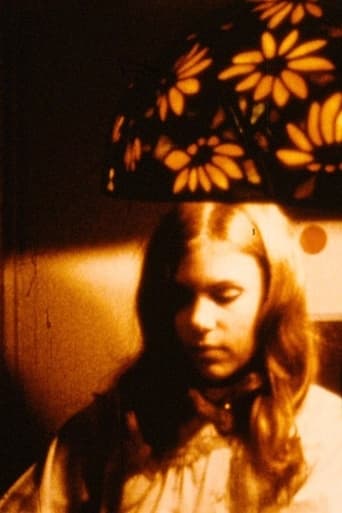
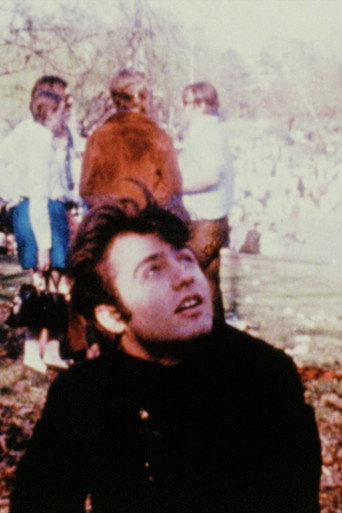
Truth Serum is a rare work by Sonbert made in New York City in 1967. The completed film (that is missing its original soundtrack) provides a unique glimpse into his life and friends at the time including fellow filmmakers Nathaniel Dorsky and Jerome Hiller. Preserved by the Academy Film Archive in partnership with Estate Project for Artists with AIDS in 1998.
Noblesse ObligeNoblesse Oblige · 1981
Noblesse Oblige
9.01981
Movie
The style is relatively unchanged, but the images--press conferences, news events, disasters--convey his vision of the world in a new, direct, political fashion. Featuring startling footage of the City Hall riots after Councilman Dan White received a light prison sentence for slaying San Francisco Mayor George Moscone and Supervisor Harvey Milk, Noblesse Oblige opens a new chapter on Sonbert's career. --David Ehrenstein, LA Reader. Preserved by the Academy Film Archive in partnership with Estate Project for Artists with AIDS in 1998.

Filmography

Sort
Carriage TradeCarriage Trade · 1972
Carriage Trade
7.41972
Movie
Carriage Trade was an evolving work-in-progress, and this 61-minute version is the definitive form in which Sonbert realized it, preserved intact from the camera original. With Carriage Trade, Sonbert began to challenge the theories espoused by the great Soviet filmmakers of the 1920’s; he particularly disliked the “knee-jerk’ reaction produced by Eisenstein’s montage. In both lectures and writings about his own style of editing, Sonbert described Carriage Trade as “a jig-saw puzzle of postcards to produce varied displaced effects.” This approach, according to Sonbert, ultimately affords the viewer multi-faceted readings of the connections between individual shots. Preserved by the Academy Film Archive in partnership with Estate Project for Artists with AIDS in 1998.

Director

Short FuseShort Fuse · 1992
Short Fuse
8.01992
Movie
Sonbert was also a noted opera critic, and he frequently theorized about the relationship of film to other art forms, in particular, music. He analogized the notes, chords, and tone clusters of music to the progression of shots in film. The shot was the building block upon which Sonbert created the musical rhythms of his films. Sonbert published excerpts from his feature-film screenplay adaptation of Strauss' Capriccio, his favorite opera, in 1986. Short Fuse, completed six years later, can be seen as a return to Capriccio's themes, including 'Nazism and eroticism, beauty and force, detail and structure.' (William Graves) Underscoring a question raised by Capriccio--whether in opera the music or the libretto takes priority--Short Fuse is replete with a soundtrack that counterpoints the film's visuals, prompting the viewer to ask whether the music or the imagery predominates. -- Jon Gartenberg

Director

Honor and ObeyHonor and Obey · 1988
Honor and Obey
1988
Movie
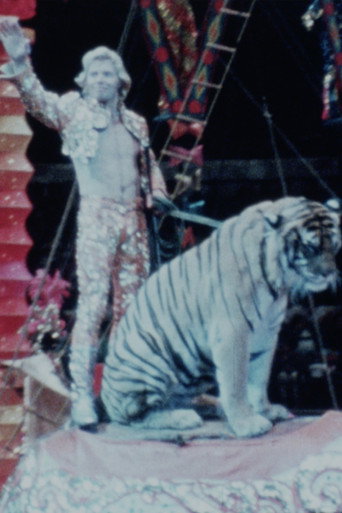
In Warren Sonbert's Honor and Obey soldiers march in formation, a tiger stalks through the snow, religious processions wind through the streets, and palm trees wave in a tropical breeze. As brightly colored images of authority figures blend into scenes of cocktail parties, this 21-minute silent film flows along with the grace of a musical score built on complex tensions hidden among the notes. "Whose authority will you obey?" the film seems to ask, as it deftly avoids simple-minded juxtapositions. Instead, we see a melange of images so full of geography (Notre Dame Cathedral, the Sydney Opera House, Fifth Avenue), that the work mocks the idea of any specific setting. -- Caryn James, The New York Times. Preserved by the Academy Film Archive, in partnership with Estate Project for Artists with AIDS, in 1998.

Director

A Woman's TouchA Woman's Touch · 1983
A Woman's Touch
7.01983
Movie
Sonbert was also a noted film critic, and his writings about feature films are among his more extraordinarily profound and insightful creations. In them, he expressed admiration for a pantheon of American directors working within the studio system, including Alfred Hitchcock, Nicholas Ray and Douglas Sirk. An indication of his enthusiasm for Hitchcock was his reputation for conducting tours for visiting friends, associates, and filmmakers of the locations around San Francisco used by Hitchcock while filming Vertigo (1958), and for signing his reviews under the pen-name Scotty Ferguson, the so-named protagonist of this renowned film. In 1986, Sonbert gave a lecture at the Pacific Film Archive, in which he spoke of the "schizophrenic split" in Marnie between "images of /en/closure and escape", representing the interplay between male domination and female independence. Sonbert paralleled these conceits in his own film, A Woman's Touch. -- Jon Gartenberg

Director