Acting
Kathryn Card
Born October 4, 1892 · Butte, Montana, USA
Died March 1, 1964 · aged 71
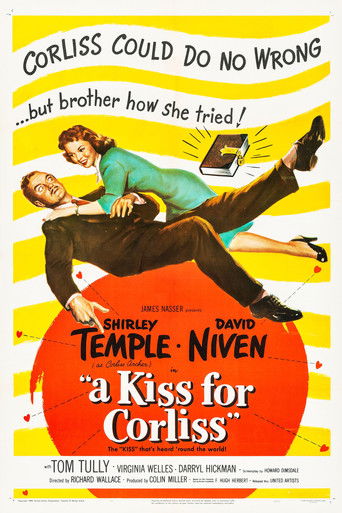
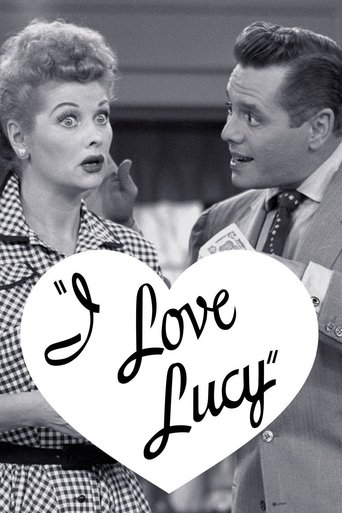
From Wikipedia, the free encyclopedia Kathryn Card (October 4, 1892 – March 1, 1964) was an American radio, television and film actress who may be best remembered for her role as Mrs. MacGillicuddy, Lucy's mother on I Love Lucy. Her first screen credit was in 1945 for her role as Louise in the Corliss Archer movie Kiss and Tell, starring Shirley Temple as Corliss Archer. The next year she appear…
Known For
 The Unsinkable Molly Brown · 1964
The Unsinkable Molly Brown
★ 5.71964
MovieComedy
The buoyant Molly Brown has survived the first crisis of her life—a flood. Sixteen years later she sets out to make her way in the world. She assures the Leadville saloon keeper that she can sing and play the piano, and learns quickly. Soon she marries Johnny Brown, who in a few years will be able to replace the original cigar wrapper wedding ring with a replica in gold and gemstones. The Browns head for Europe and bring a few crowned heads back to Denver for a party that turns into a ballroom brawl. Molly goes to Europe alone, returning on the Titanic. She didn't survive a flood as a baby for the story to end here.
 A Star Is Born · 1954
A Star Is Born
★ 7.11954
MovieDramaMusic
A movie star helps a young singer-actress find fame, even as age and alcoholism send his own career into a downward spiral.
 The Reckless Moment · 1949
The Reckless Moment
★ 6.71949
MovieDramaThriller
After discovering the dead body of her teenage daughter's lover, a housewife takes desperate measures to protect her family from scandal.
 All in a Night's Work · 1961
All in a Night's Work
★ 6.01961
MovieComedyRomance
After the sudden death of magazine publisher Colonel Ryder, his nephew, Tony inherits the magazine and has big plans to expand it. While negotiating a loan from the bank, Tony gets a call from a detective surrounding his uncle's death. It turns out Colonel Ryder died in his hotel room with a smile on his face and a young woman was seen fleeing his room wearing only a towel. Suspicious of this woman and afraid the magazine's wholesome image may be tarnished and their loan denied, Tony asks the detective to stick around and find her.
 Please Don't Eat the Daisies · 1960
Please Don't Eat the Daisies
★ 6.21960
MovieComedyFamily
Drama critic Larry Mackay, his wife Kate and their four sons move from their crowded Manhattan apartment to an old house in the country. While housewife Kate settles into suburban life, Larry continues to enjoy the theater and party scene of New York.
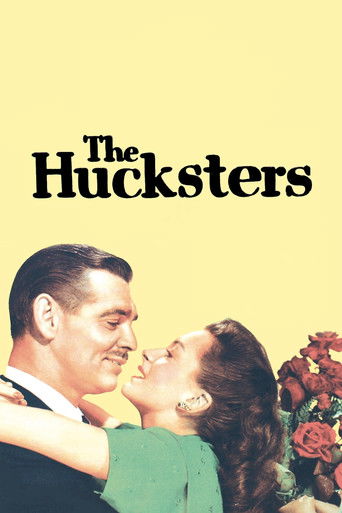 The Hucksters · 1947
The Hucksters
★ 7.01947
MovieDramaRomance
A World War II veteran wants to return to advertising on his own terms, but finds it difficult to be successful and maintain his integrity.
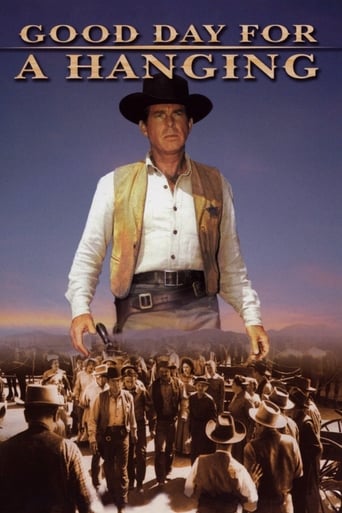 Good Day for a Hanging · 1959
Good Day for a Hanging
★ 6.41959
MovieWesternAction
When the local sheriff is killed after a bank robbery, ex-lawman Ben Cutler collars the apparent killer, Eddie Campbell. Because of his background as a local youth who spent time living with the Cutlers, Eddie gets the benefit of the doubt from Ben's daughter and his wife-to-be. Ben is firm that Eddie is guilty, and as the matter is debated in a divisive court battle, it will soon become clear whether he's right.
 Undercurrent · 1946
Undercurrent
★ 5.91946
MovieDramaThriller
After a rapid engagement, a dowdy daughter of a chemist weds an industrialist, knowing little of his family or past. He transforms her into an elegant society wife, but becomes enraged whenever she asks about Michael, his mysterious long-lost brother.
Filmography
Sort
A Star Is Born · 1954A Star Is Born
★ 7.11954
MovieDramaMusic
A movie star helps a young singer-actress find fame, even as age and alcoholism send his own career into a downward spiral.
Landlady (uncredited)
The Reckless Moment · 1949The Reckless Moment
★ 6.71949
MovieDramaThriller
After discovering the dead body of her teenage daughter's lover, a housewife takes desperate measures to protect her family from scandal.
Mrs. Loring (uncredited)
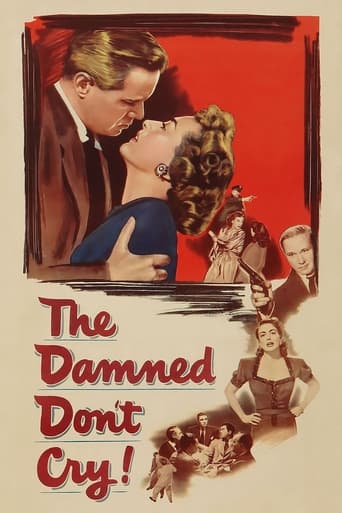 The Damned Don't Cry · 1950
The Damned Don't Cry
★ 7.01950
MovieCrimeDrama
Fed up with her small-town marriage, a woman goes after the big time and gets mixed up with the mob.
Mrs. Sullivan (uncredited)
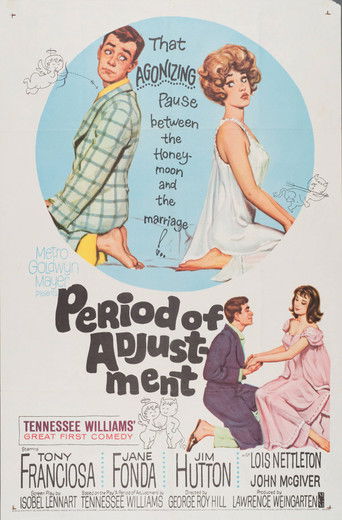 Period of Adjustment · 1962
Period of Adjustment
★ 6.01962
MovieComedyDrama
A newlywed couple on their honeymoon visit friends who are having marital problems of their own.
Mrs. Slovotny (Nurse) / Wedding Guest (uncredited)