Directing
Zheng Jun-li
Born December 5, 1911 · Shanghai, China
Died April 23, 1969 · aged 57
Zheng Junli (December 6, 1911 – April 23, 1969) was a Chinese actor and director born in Shanghai and who rose to prominence in the golden age of Chinese Cinema. His films The Spring River Flows East and Crows and Sparrows are widely considered classics of Chinese cinema. He was severely persecuted during the Cultural Revolution and died in prison.
Known For
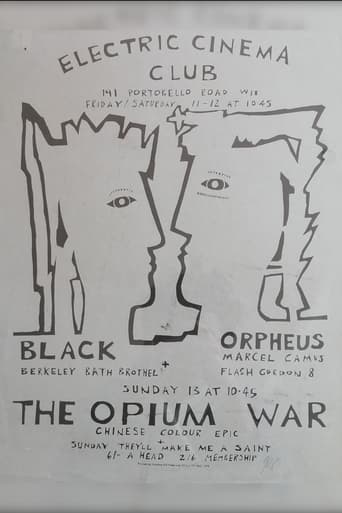 The Opium Wars · 1959
The Opium Wars
★ 5.91959
MovieWarHistory
China 1839. Because the British imports of opium into Southern China are creating such widespread medical and economic problems, the weak Manchu emperor Tao Kuang is forced to take action that precipitates the 'Opium War'.
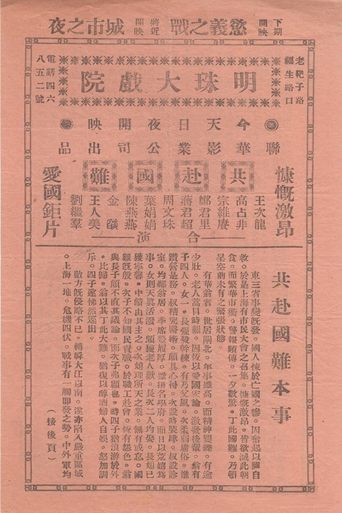 共赴国难 · 1932
共赴国难
1932
Movie
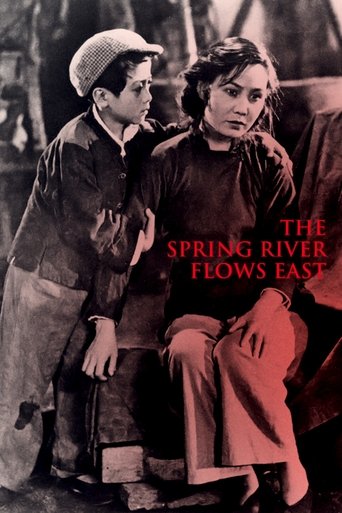 The Spring River Flows East · 1947
The Spring River Flows East
★ 6.71947
MovieDrama
1930's China. The village of a poor family is taken over by the occupying Japanese army. One son, Zhongliang, leaves his wife and young son to join a medic group for the Chinese Army. The other son, Zhangmin goes into hiding to protect his family. The focus shifts back and forth from the brothers' parents and Zhongliang's wife and son to Zhongliang's newfound life of luxury in a town not too far away. The plight of Zhongliang's mother, his wife, Sufan and her son, Kongeson is contrasted with Zhongliang's rise in a flourishing company.
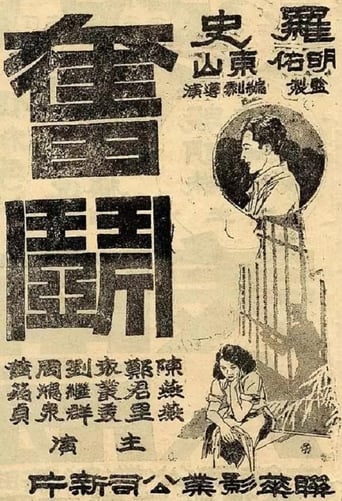 Struggling · 1932
Struggling
★ 7.51932
MovieWarDrama
A Chinese couple in the 1930s struggle to survive. Things get complicated for them when he enlists to fight the war against Japan.
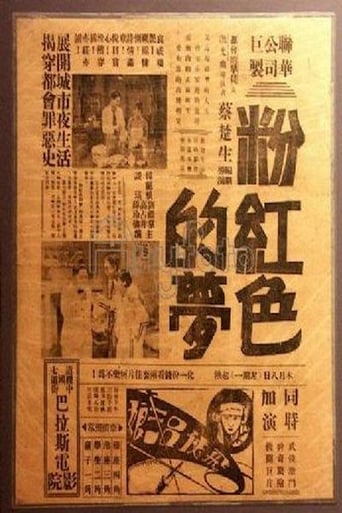 A Rosy Dream · 1932
A Rosy Dream
★ 3.41932
MovieRomanceDrama
Pink Dream tells the story of a young novelist who is supported by a loving and hard-working wife. The novelist, however, is drawn to the decadent life of a socialite who introduces him to the dance halls that dot Shanghai. As the film progresses, the novelist soon learns of the emptiness of this urban existence and rejects it as a "pink dream."
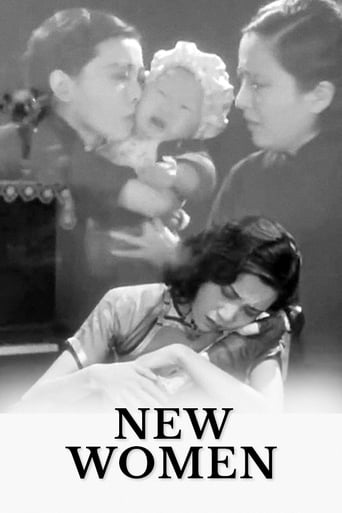 New Women · 1935
New Women
★ 6.71935
MovieDrama
Overnight, the sexy Wei Ming will become a successful novelist. But, desperate to get the money that she needs to cure her little daughter (and harassed by a rich, unscrupulous rake), she will end up eventually engage in luxury prostitution.
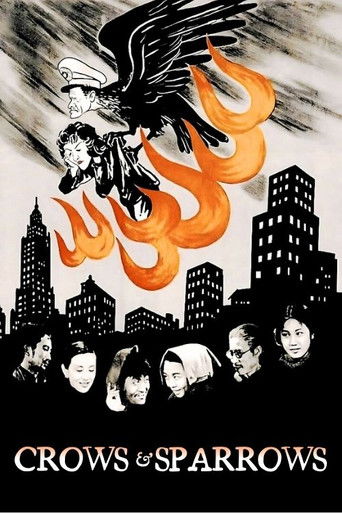 Crows and Sparrows · 1949
Crows and Sparrows
★ 6.71949
MovieDrama
A story of a corrupt party official who attempts to sell an apartment building he has appropriated from the original owner and the struggles of the tenants to prevent themselves being thrown onto the street.
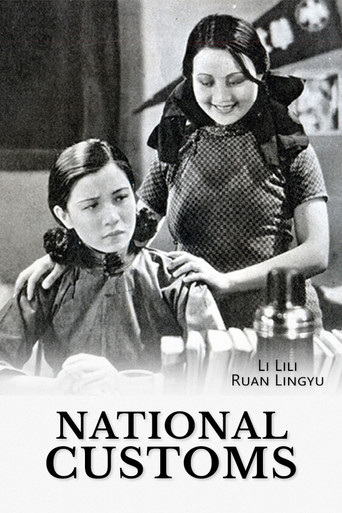 National Customs · 1935
National Customs
★ 6.91935
MovieDrama
In 1930, two sisters from the countryside, the serious Zhang Lan and the frivolous Zhang Tao graduate from secondary school where their mother Zhang Jie serves as principal. They both love their cousin Zuo, but have ambitions other than marriage. Their lives change dramatically when both attend university in Shanghai and encounter modern urban life and rapidly changing society. The film also depicts the emergence of Chiang Kai-shek's 1934 New Life Movement. Lianhua Film Studio did the film to appease the Nationalist Party which accused it of primarily presenting left-wing films, which was true.
Filmography
Sort