Directing
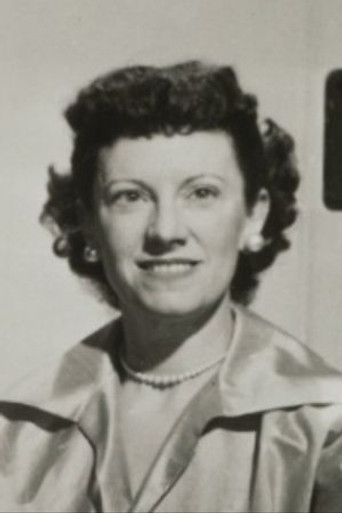
Mary Ellen Bute
Born November 21, 1906 · Houston, Texas
Died October 17, 1983 · aged 76
A pioneer of visual music and electronic art, Mary Ellen Bute directed along with her husband Ted Nemeth over a dozen short abstract animations between the 1930s to the 1950s. Set to classical music by the likes of Bach, Saint-Saens or Shostakovich, and filled with colorful forms, elegant design and sprightly, dance-like-rhythms, Bute's filmmaking is at once formally rigorous and energetically hig…
Known For
 Parabola · 1937
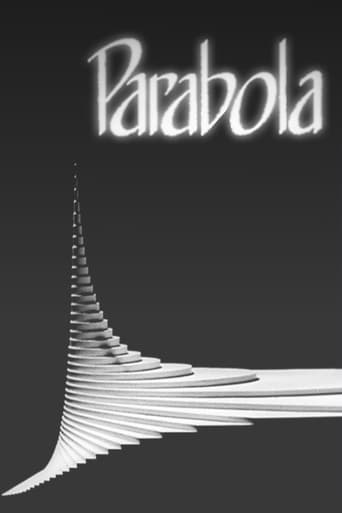
Parabola
★ 5.81937
MovieAnimation
Parabola is a celebration of film’s ability to create new ways of seeing the forms around us. Creating juxtapositions between light/shadow, stasis/motion, and form/music, this black-and-white short invites us to see the parabolic curve, or “nature’s poetry,” as both invigorating and beguiling.
 Passages from James Joyce's Finnegans Wake · 1967
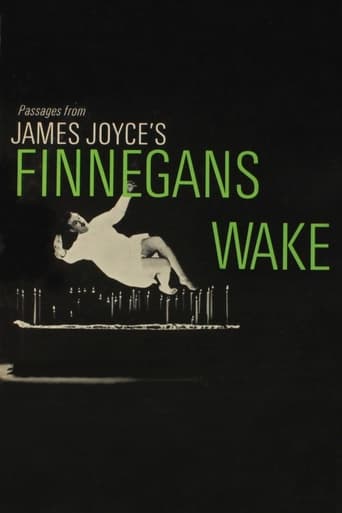
Passages from James Joyce's Finnegans Wake
★ 8.01967
MovieDrama
Based on the stage play Passages from Finnegans Wake, itself based on random passages from Finnegans Wake, Mary Ellen Bute's adaptation is a comical, avant-garde kaleidoscope about a man named Finnegan who dreams about his wake and then wakes up from his dream.
 The Boy Who Saw Through · 1956
The Boy Who Saw Through
1956
Movie
A young boy has developed an ability to see through walls, much to the consternation of his stuffy Victorian parents.
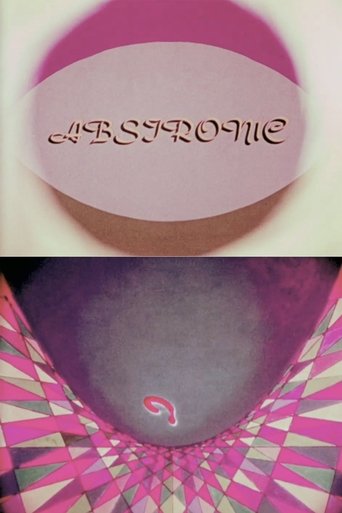 Abstronic · 1952
Abstronic
★ 7.01952
MovieAnimationMusic
A pioneer of visual music and electronic art, Mary Ellen Bute produced over a dozen short abstract animations between the 1930s and the 1950s. Set to classical music by the likes of Bach, Saint-Saëns, and Shoshtakovich, and replete with rapidly mutating geometries, Bute’s filmmaking is at once formally rigorous and energetically high-spirited, like a marriage of high modernism and Merrie Melodies. In the late 1940s, Lewis Jacobs observed that Bute’s films were “composed upon mathematical formulae depicting in ever-changing lights and shadows, growing lines and forms, deepening colors and tones, the tumbling, racing impressions evoked by the musical accompaniment.” Bute herself wrote that she sought to “bring to the eyes a combination of visual forms unfolding along with the thematic development and rhythmic cadences of music.”
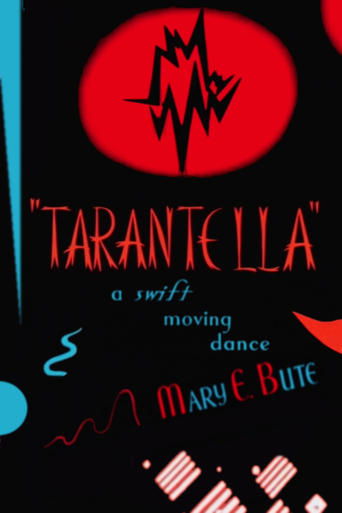 Tarantella · 1940
Tarantella
★ 5.91940
MovieAnimationMusic
Here the artist creates a world of color, form, movement and sound in which the elements are in a state of controllable flux, the two materials (visual and aural) are subject to any conceivable interrelation and modification.
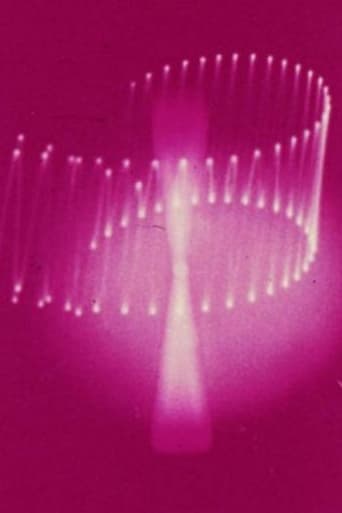 Mood Contrasts · 1958
Mood Contrasts
★ 8.01958
MovieAnimation
A short film from Mary Ellen Bute, showcasing her trademark animations set to music.
 Polka Graph · 1947
Polka Graph
★ 7.01947
MovieAnimationMusic
Short film by Mary Ellen Bute
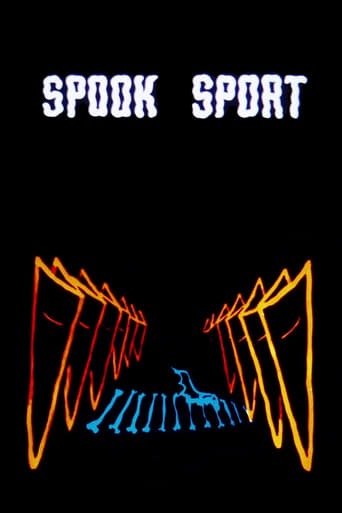 Spook Sport · 1940
Spook Sport
★ 5.81940
MovieAnimationMusic
It's midnight in a graveyard. The principal characters are spooks, ghosts, bats, bells, and, at the end, the sun. As midnight strikes, 12 spooks appear, then two ghosts. They move to the music's rhythm. Against the black night, they are blue and yellow. Bats appear as does a xylophone of bones. Mist rises, spooks swirl. A bell tolls. The sky turns light blue, the ghosts' dance slows. Then black night returns bringing intimations of frenzy. Bones play snare drums; spooks peek out of square graves. Scary faces appear. Frenetic movement takes over. A rooster crows and all return to earth as the sun's light appears.