Directing
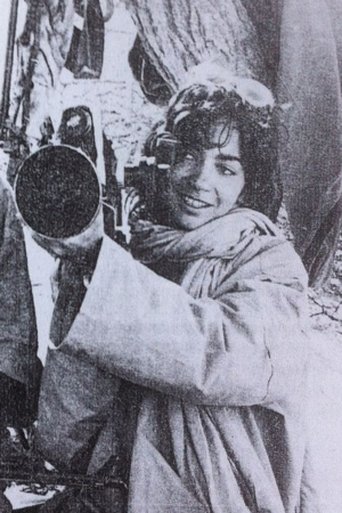
Jocelyne Saab
Born April 30, 1948 · Beirut, Lebanon
Died January 7, 2019 · aged 70
Jocelyne Saab was a filmmaker and a photographer. She was born in 1948 and grew up in Beirut. In 1973, she became a war reporter in the Middle-East, covering the war of October for Magazine 52, the third television channel in France. In 1975 she directed her first feature film, a documentary released in Parisian cinemas: Lebanon in Turmoil, distributed by Pascale Dauman. She will then cover the Le…
Known For
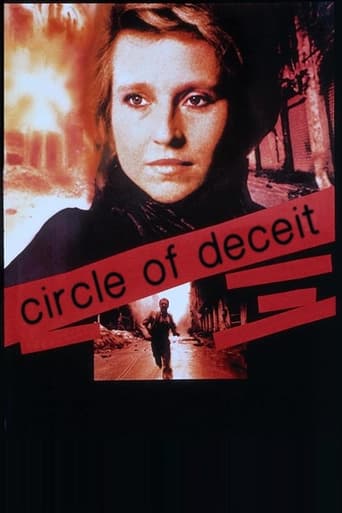 Circle of Deceit · 1981
Circle of Deceit
★ 6.21981
MovieDramaWar
To escape his crumbling marriage, German journalist Laschen travels to Beirut during the fights between Christians and Palestinians to produce an essay. Together with his photographer, he meets some influential people and discovers the everyday face of the war.
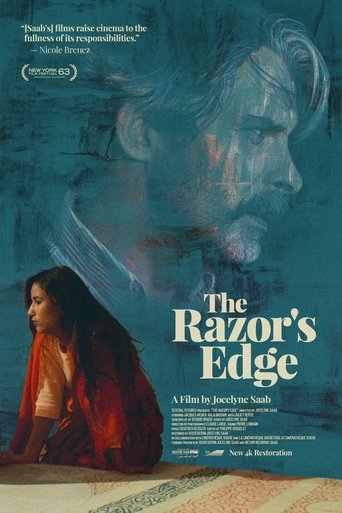 The Razor's Edge · 1985
The Razor's Edge
★ 6.41985
MovieDrama
Samar, a child of the war, finds relief from the chaos around her through Egyptian movies she watches on television. Karim, an artist in retreat from life, remains in his apartment in war-torn West Beirut, confident that he is safe in his familiar neighborhood. An unlikely bond is formed between the two as they face the devastating civil war.
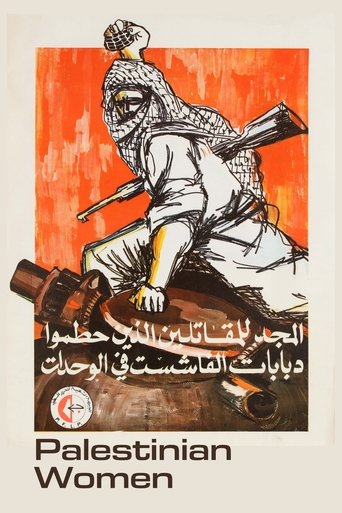 Palestinian Women · 1974
Palestinian Women
★ 7.01974
MovieDocumentary
Palestinian women, the often-forgotten victims of the Israeli-Palestinian war, are here given a voice by Jocelyne Saab. The film was commissioned by Antenne 2 (France), but it was censured while still in the editing stage and never shown. This print was specially made for this retrospective by the conservation centre at Cinemateca Portuguesa.
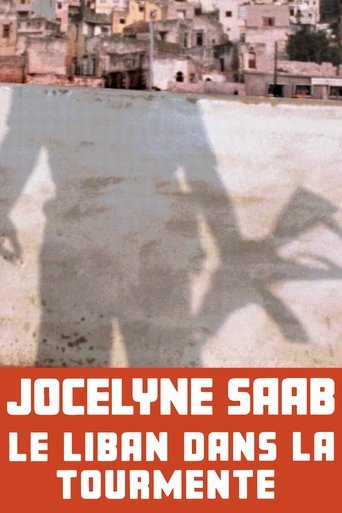 Lebanon in a Whirlwind · 1975
Lebanon in a Whirlwind
★ 6.01975
MovieDocumentary
A few months after the incident of April 13, 1975, during which Palestinian civilians were machine-gunned by Phalangist militiamen, the toll is most tragic: six thousand dead, twenty thousand wounded, incessant kidnappings, a semi-destroyed capital. This film traces the origins of the Lebanese conflict, the perception of a society that goes to war while singing. A unique document on the Lebanese civil war. Beyond the religious war, the painting of a social and political reality that has not changed much, more than four decades later.
 The Ship of Exile · 1982
The Ship of Exile
★ 7.81982
MovieDocumentary
After living clandestinely in Beirut to escape the Israeli forces, the head of the Palestine Liberation Organization (PLO), Yasser Arafat, left Lebanon aboard the Atlantis for a new exile in Greece and then Tunis. He talks about his destiny and the future of the PLO. Saab was the only journalist with a camera admitted on the boat.
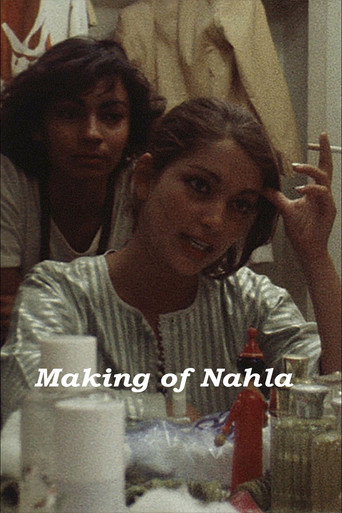 Making of Nahla · 1979
Making of Nahla
1979
MovieDocumentary
Jocelyne Saab, a young Lebanese journalist and director, interviews the director and the film crew while filming Nahla in Beirut.
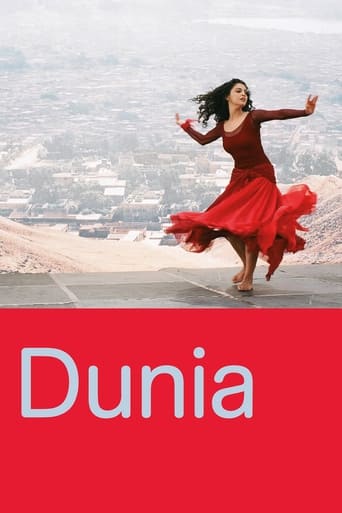 Dunia · 2006
Dunia
★ 5.12006
MovieDramaRomance
A young, free-spirited dancer and student of Arabic poetry falls in love with her thesis supervisor while trapped in a relationship with a man who disapproves of her dancing.
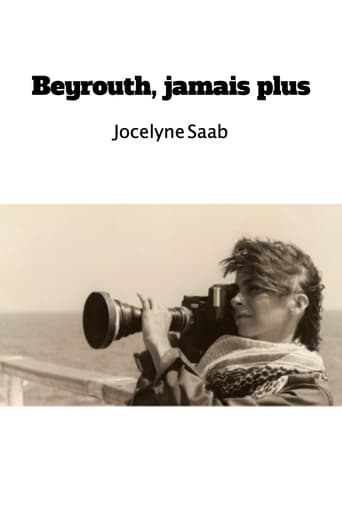 Beirut, Never Again · 1976
Beirut, Never Again
★ 6.81976
MovieDocumentary
1976 marks the beginning of Beirut’s calvary. With a child’s eyes the filmmaker follows for six months the daily destruction of the city’s walls. Every morning, between 6 and 10am she roams around Beirut while the militia from both sides rest from their night of fighting.
Filmography
Sort