
Acting
Sergio Zavoli
Born September 21, 1923 · Ravenna, Emilia-Romagna, Italy
Died August 4, 2020 · aged 96
No biography available.
Known For
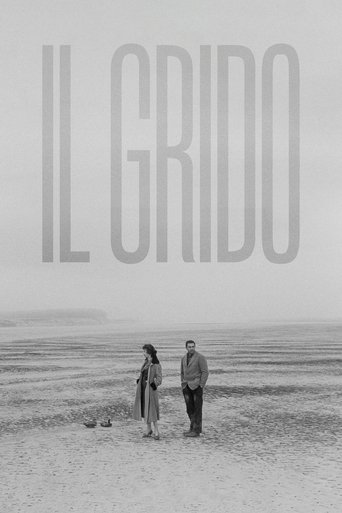 Il Grido · 1957
Il Grido
★ 7.51957
MovieDrama
A sugar-refinery worker flees his Northern Italy town after a woman refuses his marriage proposal.
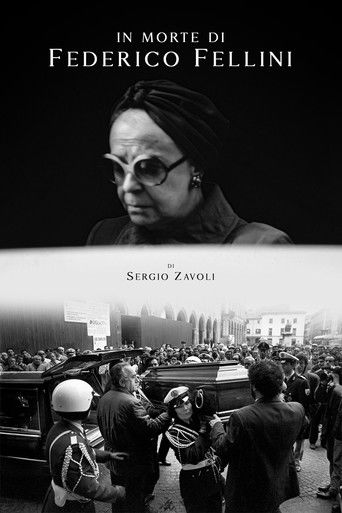 In morte di Federico Fellini · 1994
In morte di Federico Fellini
1994
MovieDocumentaryDrama
Federico Fellini died on October 31, 1993. In the following days, his funeral chapel was set up in Cinecittà's historic Studio 5, often used by the maestro as a film set. Sergio Zavoli shot footage of his funeral, which he later edited together with archive material. The film also documents the reactions to Federico Fellini's death and funeral.
 Reporter’s Diary: 'Zoom on Fellini' · 1965
Reporter’s Diary: 'Zoom on Fellini'
★ 7.51965
MovieDocumentary
Documentary about the making of Federico Fellini's film JULIET OF THE SPIRITS, with behind the scenes footage and interviews with the director.
 Bottecchia - L'ultima pedalata · 2008
Bottecchia - L'ultima pedalata
2008
MovieDocumentary
 Zavoli incontra Basaglia: I giardini di Abele · 1968
Zavoli incontra Basaglia: I giardini di Abele
★ 8.01968
MovieDocumentary
In 1968, journalist Sergio Zavoli interviews italian psychiatrist Sergio Basaglia and documents the changes he made in the Lunatic Asylum of Gorizia.
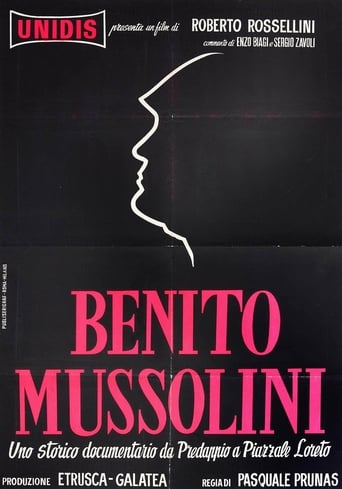 Benito Mussolini · 1962
Benito Mussolini
★ 7.21962
MovieDocumentaryHistory
 Italiani
Italiani
SeriesDocumentary
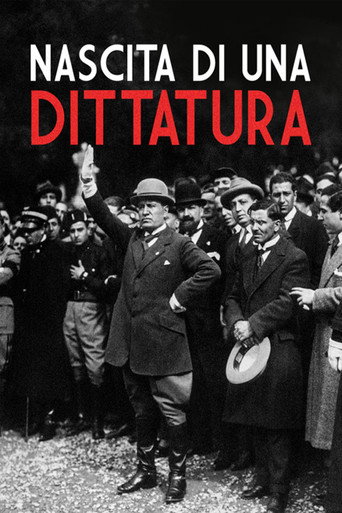 Birth of a Dictatorship · 1972
Birth of a Dictatorship
1972
SeriesDocumentary
One of the most important historical investigations carried out by Rai, signed by the great Sergio Zavoli with the collaboration of Luciano Onder and Edek Osser and the scientific consultancy of Alberto Aquarone, Gaetano Arfé, Renzo De Felice, Gabriele De Rosa, Gastone Manacorda and Salvatore Valitutti. The six-part series, broadcast for the first time in the autumn of 1972, represented, half a century after the "March on Rome", a significant assessment of the years of the advent of the Mussolini regime, recalled with the rigor of the best television journalism (Saint-Vincent Award 1973) and through the direct testimonies of over fifty protagonists of the time, both fascists and anti-fascists.