Acting
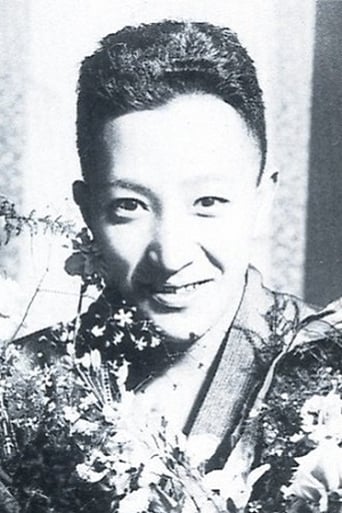
Yukichi Iwata
Born March 23, 1887 · Ogaki, Gifu Prefecture, Japan
Died January 18, 1980 · aged 92
No biography available.
Known For
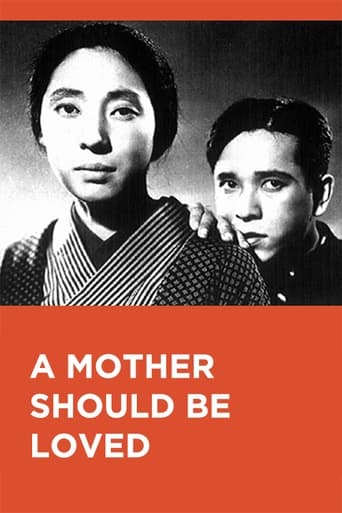 A Mother Should Be Loved · 1934
A Mother Should Be Loved
★ 5.81934
MovieDrama
A young man discovers that the woman who raised him is his stepmother. His stepbrother, who is unaware of the revelation, resents his mother for always punishing him more severely than his stepsibling.
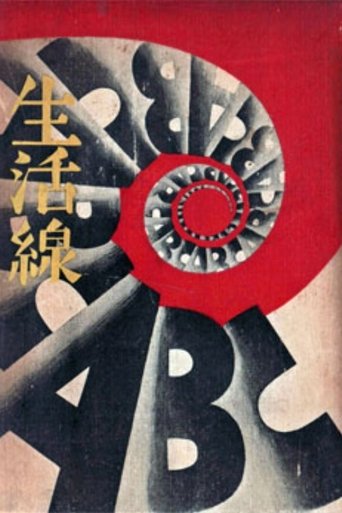 ABC Lifeline · 1931
ABC Lifeline
★ 6.71931
Movie
Japanese silent film directed by Yasujirô Shimazu, originally released as a two-part movie on December 11, 1931.
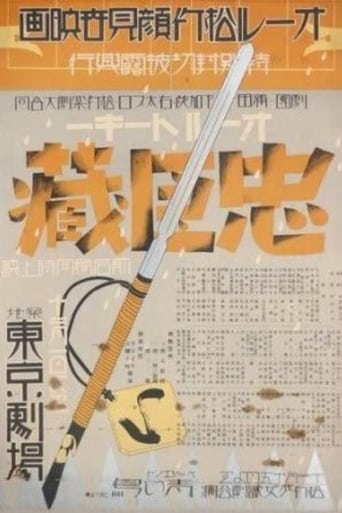 The Loyal 47 Ronin · 1932
The Loyal 47 Ronin
1932
MovieDrama
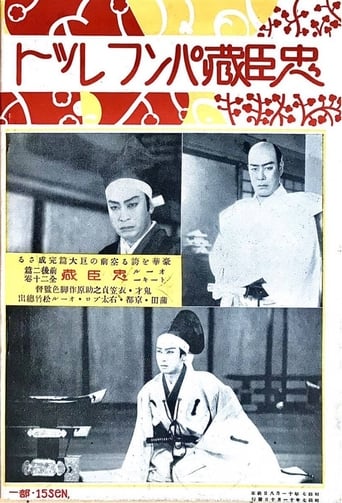
This 1932 adaptation is the earliest sound version of the ever-popular and much-filmed Chushingura story of the loyal 47 retainers who avenged their feudal lord after he was obliged to commit hara-kiri due to the machinations of a villainous courtier. As the first sound version of the classic narrative, the film was something of an event, and employed a stellar cast, who give a roster of memorable performances. Director Teinosuke Kinugasa was primarily a specialist in jidai-geki (period films), such as the internationally celebrated Gate of Hell (Jigokumon, 1953), and although he is now most famous as the maker of the avant-garde silent films A Page of Madness (Kurutta ichipeji, 1926) and Crossroads (Jujiro, 1928), Chushingura is in fact more typical of his output than those experimental works. The film ranked third in that year’s Kinema Junpo critics’ poll, and Joseph Anderson and Donald Richie noted that 'not only the sound but the quick cutting was admired by many critics.
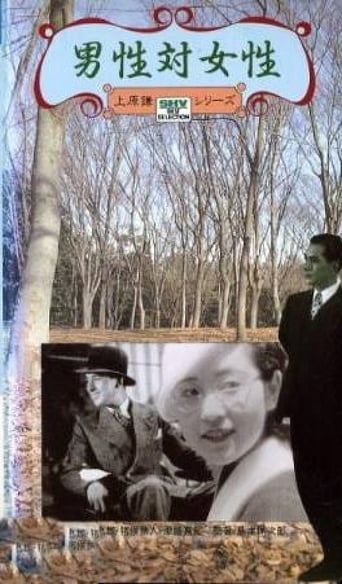 Men vs. Women · 1936
Men vs. Women
★ 7.01936
MovieComedyMusic
Three couples connected to rival business and theatrical families navigate complicated romances, workplace disputes, and family opposition.
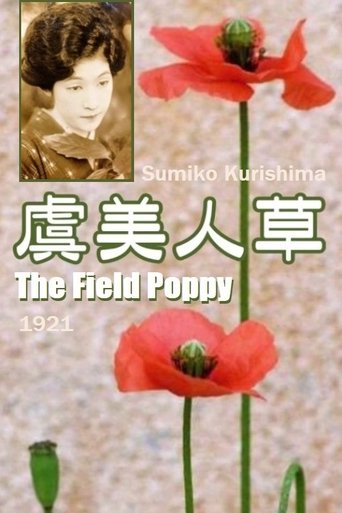
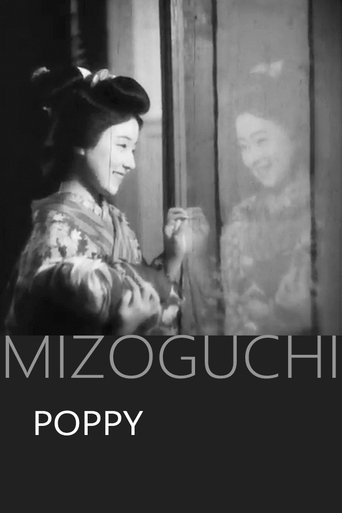 Poppy · 1935
Poppy
★ 6.61935
MovieDramaRomance
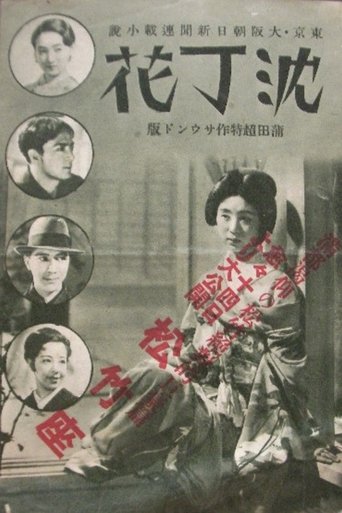
Fujio is beautiful, talented, well-heeled, and engaged to up-and-coming diplomat Munechika. She has promised him a gold watch, a family heirloom, as an emblem of their engagement. However, she becomes enamoured with Ono, a student employed to tutor her in English, who is attracted by her beauty and wealth. Ono himself is bound by an engagement to Sayoko, daughter of his mentor, Professor Inoue.
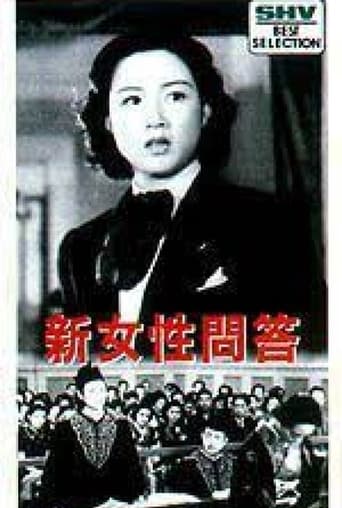 New Woman Question and Answer · 1939
New Woman Question and Answer
★ 6.01939
MovieDrama
Jie attended a women's university with the financial support of her geisha sister Oha and became a lawyer. The aim. Michiko, one of the seven best friends from the same women's college, is getting married. The man she's marrying is her sister's lover.
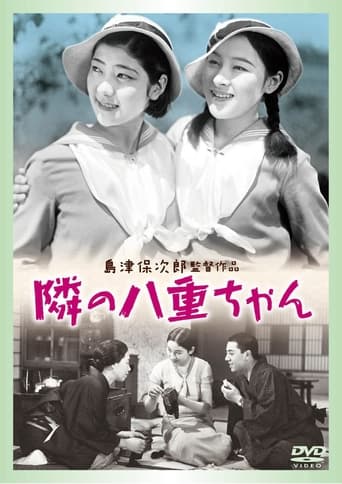 Our Neighbor, Miss Yae · 1934
Our Neighbor, Miss Yae
★ 7.41934
MovieDrama
Keitaro is a law student and Yaeko is a high school girl. They are neighbors, and their friendship is starting to develop into something more romantic. Then, Yaeko's sister Kyouko has a breakup with her husband and returns home. Kyouko is clearly interested in Keitaro and Yae becomes anxious.
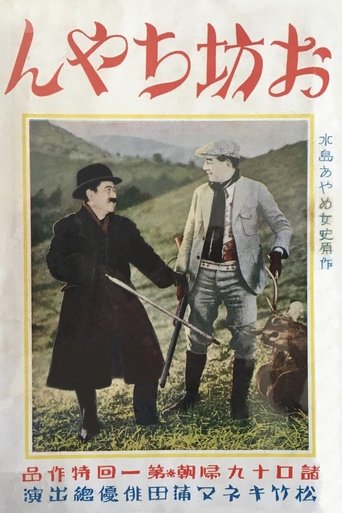 Young Master · 1926
Young Master
1926
Movie
Japanese silent film from 1926. (Obo-chan meaning "Young Master.") Written by Ayame Mizushima, the first female screenwriter in Japan.
Filmography
Sort
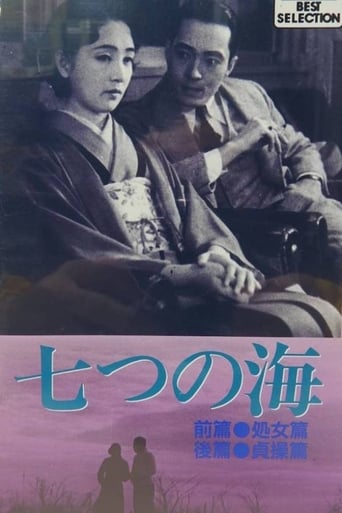
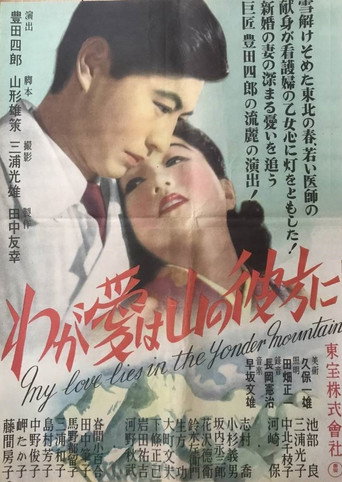 My Love on the Other Side of the Mountain · 1948
My Love on the Other Side of the Mountain
1948
MovieDrama
Kyusaku Hashimoto
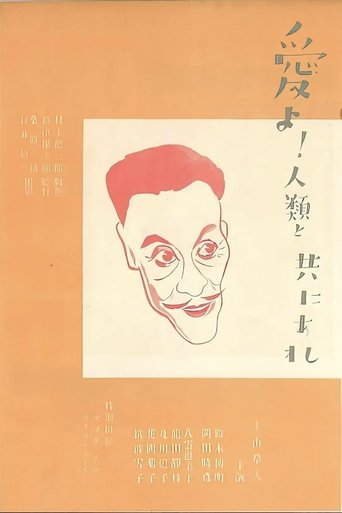
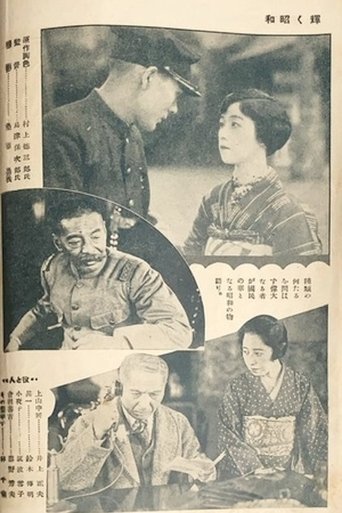 The Glory of the Shōwa Era · 1928
The Glory of the Shōwa Era
1928
MovieDrama
Japanese silent film from 1928.
Secretary Taiji Watanabe