R
Writing
Robert Soderberg
Born June 22, 1915
Died April 9, 1996 · aged 80
No biography available.
Known For
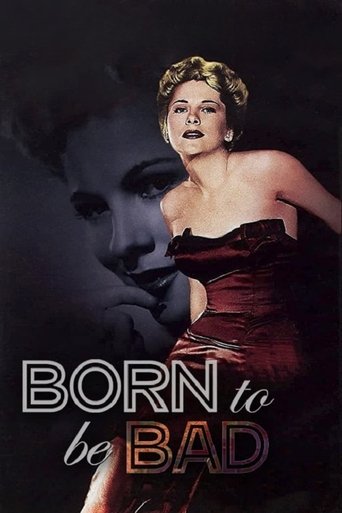 Born to Be Bad · 1950
Born to Be Bad
★ 6.01950
MovieDrama
Christabel Caine has the face of angel and the heart of a swamp rat. She'll step on anyone to get what she wants, including her own family. A master of manipulation, she covertly breaks off the engagement of her trusting cousin, Donna, to her fabulously wealthy beau, Curtis Carey. Once married to Curtis herself, Christabel continues her affair with novelist Nick Bradley, who knows she's evil, but loves her anyway.
 The Reckless Moment · 1949
The Reckless Moment
★ 6.81949
MovieDramaThriller
After discovering the dead body of her teenage daughter's lover, a housewife takes desperate measures to protect her family from scandal.
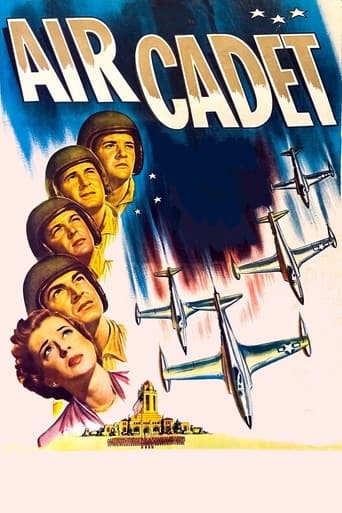 Air Cadet · 1951
Air Cadet
★ 5.71951
MovieDramaWar
A group of cadets have assorted problems at the U.S. Air Force Pilot Training Academy.
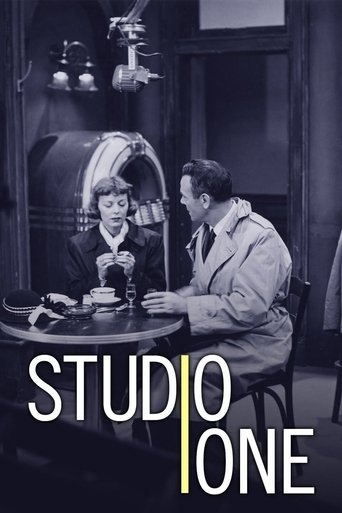 Studio One · 1948
Studio One
★ 5.41948
SeriesDrama
An American radio–television anthology series, created in 1947 by Canadian director Fletcher Markle, who came to CBS from the CBC. Studio One, presented by Westinghouse, was one of the first of the anthology TV programs. The episodes were often abridged remakes of movies from years gone by and many future well-known television and movie actors appeared in the productions.
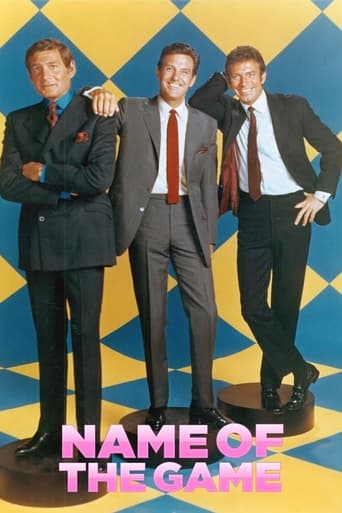 The Name of the Game · 1968
The Name of the Game
★ 7.01968
SeriesAction & AdventureSci-Fi & Fantasy
The Name of the Game is an American television series starring Tony Franciosa, Gene Barry, and Robert Stack that ran from 1968 to 1971 on NBC, totaling 76 episodes of 90 minutes. It was a pioneering wheel series, setting the stage for The Bold Ones and the NBC Mystery Movie in the 1970s. The show had an extremely large budget for a television series.
 Cavalcade of America · 1952
Cavalcade of America
★ 4.61952
SeriesDrama
Cavalcade of America is an anthology drama series that was sponsored by the DuPont Company, although it occasionally presented a musical, such as an adaptation of Show Boat, and condensed biographies of popular composers. It was initially broadcast on radio from 1935 to 1953, and later on television from 1952 to 1957. Originally on CBS, the series pioneered the use of anthology drama for company audio advertising. Cavalcade of America documented historical events using stories of individual courage, initiative and achievement, often with feel-good dramatizations of the human spirit's triumph against all odds. This was consistent with DuPont's overall conservative philosophy and legacy as an American company dating back to 1802. The company's motto, "Maker of better things for better living through chemistry," was read at the beginning of each program, and the dramas emphasized humanitarian progress, particularly improvements in the lives of women, often through technological innovation.
 Suspicion · 1957
Suspicion
★ 6.21957
SeriesCrimeDrama
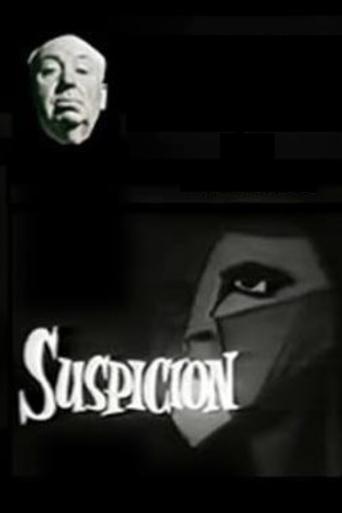
Suspicion is the title of an American television mystery drama series which aired on the NBC from 1957 through 1959. The executive producer of Suspicion was film director Alfred Hitchcock.
Filmography
Sort