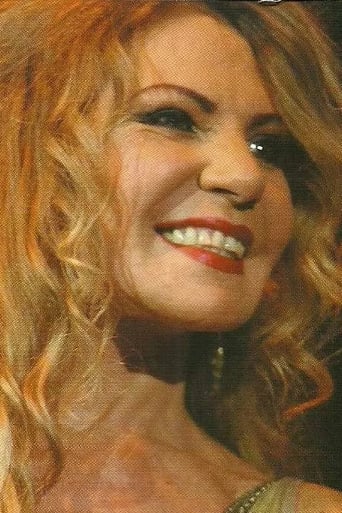
Elba Ramalho

Acting

Elba Ramalho

Born August 17, 1951 · Conceição, Paraíba, Brazil (age 74)

Elba Ramalho (born August 17, 1951, in Conceição, Paraíba) is a Brazilian songwriter, performer, poet and actress. She is sometimes called "The Queen of Forró". In addition to her successful solo career, Elba has collaborated with a number of well-established Brazilian acts, including Alceu Valença and her first cousin Zé Ramalho. In 2019, her album O Ouro do Pó da Estrada was nominated for the …

Known For
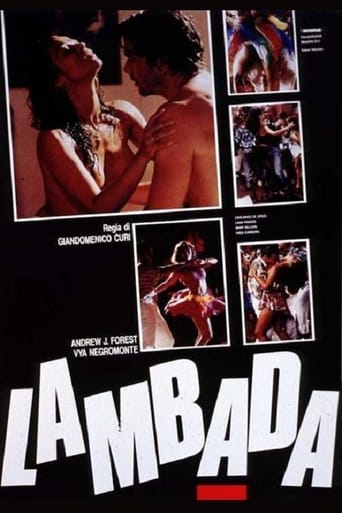
LambadaLambada · 1990
Lambada
6.21990
MovieComedy
An American director travels to Brazil and falls for a local girl.
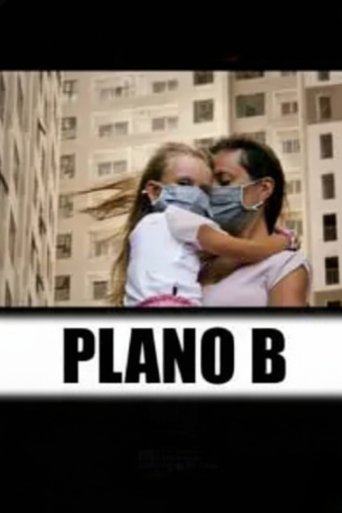
Plan BPlan B · 2020
Plan B
9.02020
MovieDocumentary
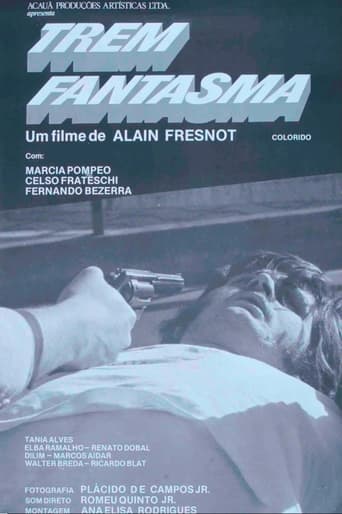
Trem FantasmaTrem Fantasma · 1977
Trem Fantasma
10.01977
MovieDrama
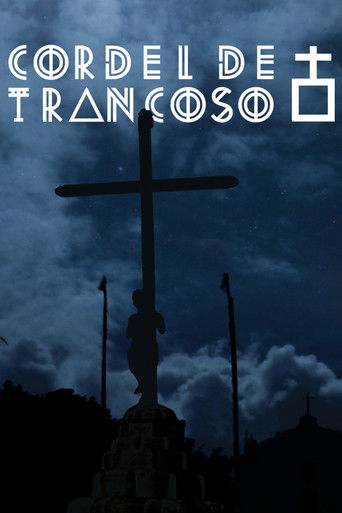
Tales of TrancosoTales of Trancoso · 2016
Tales of Trancoso
2016
MovieDocumentary
A historical paradise on the Bahia coast is transformed when hippies arrive in the 1970s. For 400 years, the village of Trancoso had protected its religious traditions and cultural habits, rooted in Jesuit foundations. With this sudden “discovery,” the once-isolated community began to attract travelers from around the world. The symbols and rituals of fishermen and farmers seemed destined to disappear. Yet something unexpected happened. The historic bubble burst, but the culture survived. Even while opening to the contemporary world, Trancoso preserved its centuries-old festivities blending Indigenous, African and Catholic-Portuguese origins. These celebrations and local stories form the narrative and poetic center of the film: resistance and coexistence shaping identity. The documentary invites us into the Feast of St. Sebastian, the heart of this transformation. “Cordel” becomes the key to unlock a hidden past — and to guard memories against the silent advance of modernity.
MalandroMalandro · 1986
Malandro
7.01986
MovieDramaMusic
In Rio de Janeiro's bohemian district called Lapa, during the '40s, a stylish and popular scoundrel exploits a cabaret singer, and earns his living by means of petty swindles. But then he meets Ludmila, the cabaret owner's daughter, who wants to get rich smuggling goods in times of war.
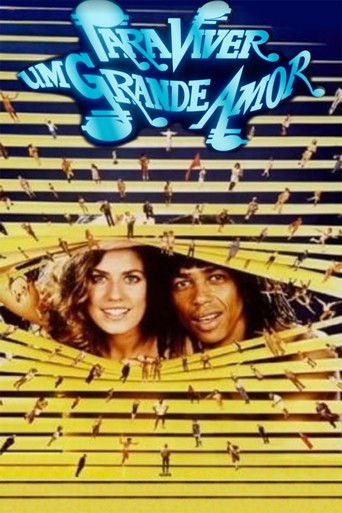
Para Viver Um Grande AmorPara Viver Um Grande Amor · 1984
Para Viver Um Grande Amor
6.21984
MovieDramaMusic
Poor people who live in the slums in Rio de Janeiro decide to occupy an empty apartment building in the rich part of the city. Meanwhile, a rich girl falls in love with a poor composer. Based on the musical play "Pobre Menina Rica", by Vinícius de Moraes and Carlos Lyra.
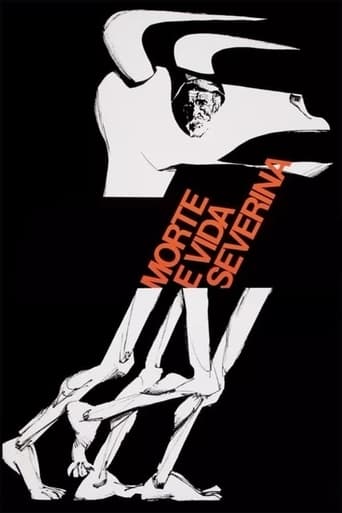
Morte e Vida SeverinaMorte e Vida Severina · 1981
Morte e Vida Severina
8.71981
MovieDramaTV Movie
The saga of Severino, a poor guy living in the back country of Northeast Brazil, leaving for the big city of Recife, in search of a better life.
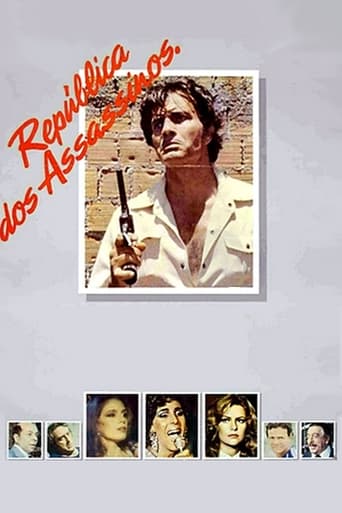
República dos AssassinosRepública dos Assassinos · 1979
República dos Assassinos
5.01979
MovieCrime
In 1970, the Esquadrão da Morte (Death Squad)' crimes for the refinement of violence provoked a wave of reactions throughout the country. The photos of the victims, adorned by the skull, symbol of the group, caused an uncomfortable indignation. This is the story of Mateus Romeiro, the most famous of the policemen, who was part of the Homens de Aço (Steelmen) group, one of the factions in which the squadron was divided.

Filmography

Sort
Tales of TrancosoTales of Trancoso · 2016
Tales of Trancoso
2016
MovieDocumentary
A historical paradise on the Bahia coast is transformed when hippies arrive in the 1970s. For 400 years, the village of Trancoso had protected its religious traditions and cultural habits, rooted in Jesuit foundations. With this sudden “discovery,” the once-isolated community began to attract travelers from around the world. The symbols and rituals of fishermen and farmers seemed destined to disappear. Yet something unexpected happened. The historic bubble burst, but the culture survived. Even while opening to the contemporary world, Trancoso preserved its centuries-old festivities blending Indigenous, African and Catholic-Portuguese origins. These celebrations and local stories form the narrative and poetic center of the film: resistance and coexistence shaping identity. The documentary invites us into the Feast of St. Sebastian, the heart of this transformation. “Cordel” becomes the key to unlock a hidden past — and to guard memories against the silent advance of modernity.