Directing
Storm De Hirsch
Storm de Hirsch (1912–2000) was an American poet and filmmaker. She was a key figure in the New York avant-garde film scene of the 1960s, and one of the founding members of the Film-Makers' Cooperative. Although often overlooked by historians, in recent years she has been recognized as a pioneer of underground cinema. Description above from the Wikipedia article Storm de Hirsch, licensed under CC…
Known For
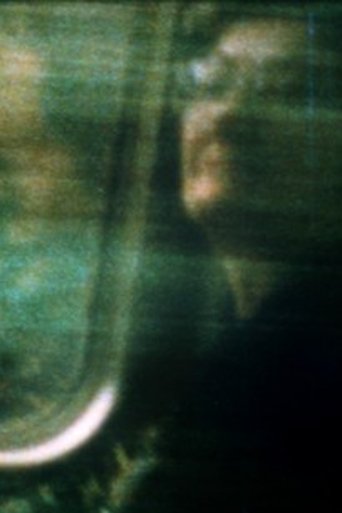 September Express · 1973
September Express
★ 7.01973
Movie
"Cine-Sonnet. Rome to Venice. A study of time in motion. An accelerated montage of reflections and landscapes framed in the window of an express train running from Rome to Venice. Dedicated to the writings of J.W. Dunne, the collage of Kurt Schwitters and the cubistic paintings of Braque." –S.D.H.
 Heathrow
Heathrow
Movie
A meditation upon the interior space of London’s Heathrow Airport, contrasting the ceaseless movements of the silhouetted passengers against the angles of the metal structural framing which are then replicated upon the reflective surfaces of the building’s floors and windows, rendering them as ephemeral as the human figures that pass through this nexus.
 Jefferson Market · 1970
Jefferson Market
1970
Movie
A study of the architecture of the Jefferson Market building in Manhattan which employs quick, probing camera work and intentionally arrhythmic editing in stark contrast to the Venetian Gothic styling of the facade’s architectural details. In three brief sections, the film details the exterior windows and turrets, then, in stark contrast from within the darkened interior, demonstrates the play of light through the stained glass windows. In the final segment, the camera returns to the building’s exterior, but now its sightline is impaired by a chain link fence, possibly in an allusion to the structure’s origin as a courthouse and prison for women. The final shots focus on the plaque affixed to the exterior, which states, “…constructed in 1876 and served as a women’s court until 1932. Of particular interest are its turrets, tracery windows, ironwork and sculpture.”
 Film Magazine of the Arts · 1965
Film Magazine of the Arts
★ 9.01965
MovieDocumentary
"In Spring, 1963 Show Magazine called me and asked that I make a film on arts in New York. I told them, why did they want me to make it - didn't they know I was a bit unusual? ... 'We want something unusual,' they said. So I went out and made a newsreel on arts. Show people looked at the rough cut of the film and became very angry. 'But there is nothing about Show Magazine and DuPont fabrics in the movie,' they said. 'What has that to do with the arts in New York!' I said. The battle was short. The film was destroyed. Really, I have no idea what they did with it. This workprint of the first FILM MAGAZINE OF THE ARTS is the only print in existence, as far as I know." -- J.M.
 Jonas in the Brig · 1965
Jonas in the Brig
1965
MovieDocumentary
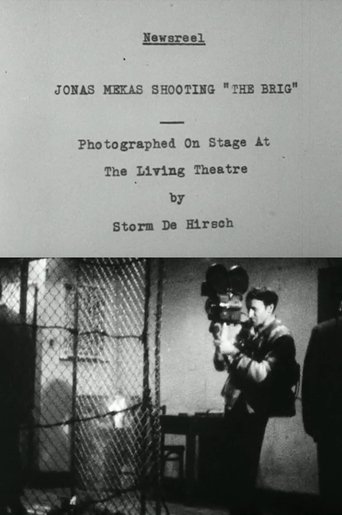
A newsreel of Jonas Mekas shooting his filmed version of The Brig on the set of the Living Theatre production.
 Sing Lotus · 1966
Sing Lotus
★ 10.01966
Movie
Eighteenth century Indian miniatures enact a traditional wedding ceremony of a Hindu Prince and Princess. An exotic landscape of the mind; fable-fantasy of childhood-manhood.
 Trap Dance · 1968
Trap Dance
★ 9.01968
Movie
An Angry Arts "protestfilm" with black and white visuals. –S. D. H.
 Aristotle · 1965
Aristotle
1965
Movie
"De Hirsch's Aristotle is a succinctly percussive appreciation of the visual rhythms of a country stream." Film 3 of 6 in the Cine-Songs Program.
Filmography
Sort
Trap Dance · 1968Trap Dance
★ 9.01968
Movie
An Angry Arts "protestfilm" with black and white visuals. –S. D. H.
Director of Photography


 Deep in the Mirror Embedded · 1965
Deep in the Mirror Embedded
1965
Movie
super-8 / color / silent
Director