
Acting
Sumiko Mizukubo
Born October 10, 1916 · Meguro-ku, Tokyo, Japan (age 110)
No biography available.
Known For
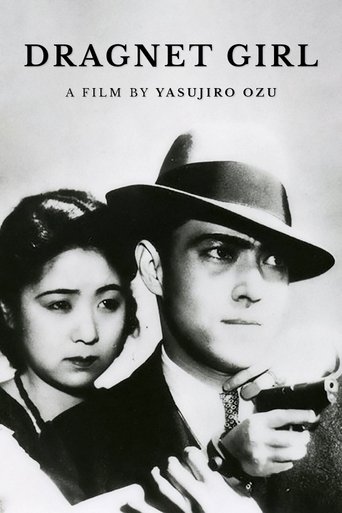 Dragnet Girl · 1933
Dragnet Girl
★ 6.61933
MovieRomanceDrama
A gangster tries to find redemption with the inadvertent help of an innocent shop girl and his jealous girlfriend will do anything to keep him.
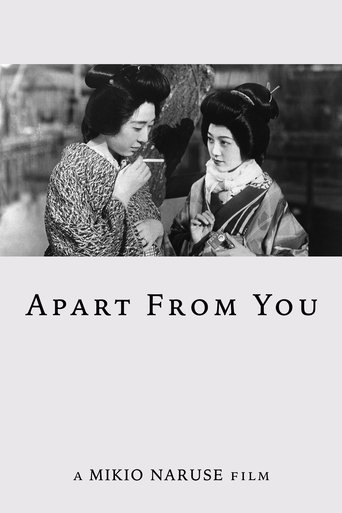 Apart from You · 1933
Apart from You
★ 7.01933
MovieDrama
An aging geisha, whose angry teenage son is ashamed of her profession, works alongside a young geisha, resentful of her family for forcing her into a life of shame.
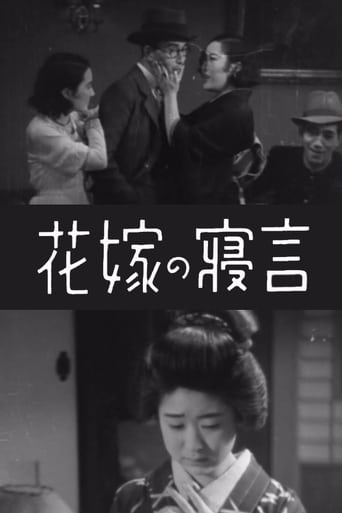 The Bride Talks in Her Sleep · 1933
The Bride Talks in Her Sleep
★ 7.01933
MovieComedy
This pair of gentle yet witty and inventive comedies from the director of The Neighbour's Wife and Mine typify both the formal experimentation of early Japanese sound cinema and the social milieux that Shochiku tended to depict. 'Virtually plotless, and feeling more like comic sketches than fully developed stories,' writes Arthur Nolletti, Jr, 'these light comedies, or farces, take a wholly trivial matter (often a socially embarrassing situation) and use it as a springboard for a succession of gags.' Much of the films' distinction comes from the wit of Gosho's direction, the imaginative use of the new sound technology and the charm of the acting, particularly of the heroines (Kinuyo Tanaka in Bride; Hiroko Kawasaki in Groom). Yet in both films, Gosho finds room for some shrewd observation of character and environment, subtly exploring the values and assumptions of the suburban petit bourgeoisie.
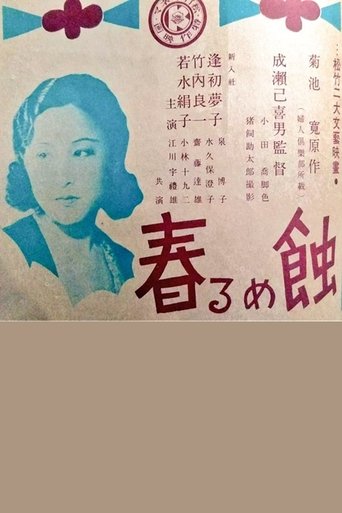 Moth-eaten Spring · 1932
Moth-eaten Spring
★ 10.01932
MovieDrama
It is considered to be a lost film.
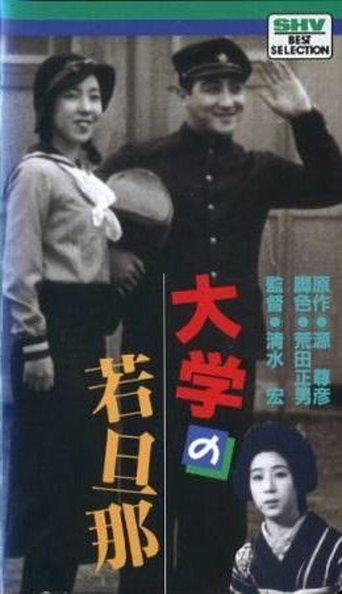 The Boss's Son at College · 1933
The Boss's Son at College
★ 7.51933
MovieComedyDrama
The story deals with Fuji, nicknamed Waka-danna (Young Master), the star athlete on his university's rugby team. The son of a wealthy soy sauce manufacturer, Fuji basks in the glory of his athletic celebrity. Attracting the attention of admiring young women, Fuji resists family pressure to settle down and marry after college. Instead, he spends much of his time drinking and womanizing, behavior which eventually leads the college officials to expel him from the team.
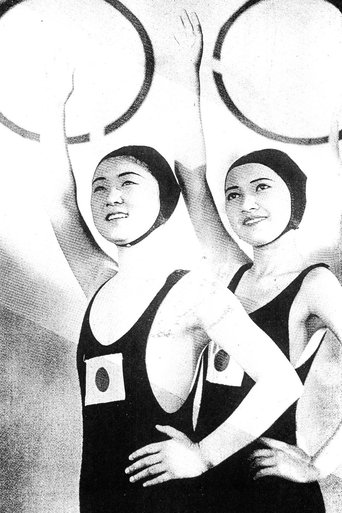 Shine, Japanese Women · 1932
Shine, Japanese Women
★ 10.01932
Movie
Shigeko and Midori, star swimmers at the renowned Kirishima Girls’ School, are training relentlessly with their sights set on the Los Angeles Olympics. But for the past week, Shigeko has been absent from practice. Her father has fallen ill, and to support her family’s struggling finances, she has secretly taken a job at a trading company. When Masao discovers this, he asks Midori to convince her to return, but soon the school learns of her secret. The students rally to raise funds, though the principal refuses their help, promising instead to handle the situation himself. Shigeko resumes training and travels to Tokyo for the qualifying meet. She touches the wall first in the 100-meter freestyle—only to receive news of her father’s passing. Overcome with grief, she collapses, cared for by Midori, whose own exhaustion leaves her finishing fourth. Despite these hardships, their prior accomplishments earn them a place on Japan’s Olympic team.
Filmography
Sort