Writing
Lawrence B. Marcus
Born July 19, 1917 · Beaver, Utah, USA
Died August 28, 2001 · aged 84
Lawrence B. Marcus (July 19, 1917 – August 28, 2001) was an American screenwriter. He was nominated for an Academy Award in the category Best Adapted Screenplay for the film The Stunt Man. Marcus died in August 2001 of Parkinson's disease at the Motion Picture & Television Fund cottages in Woodland Hills, California, at the age of 84.
Known For
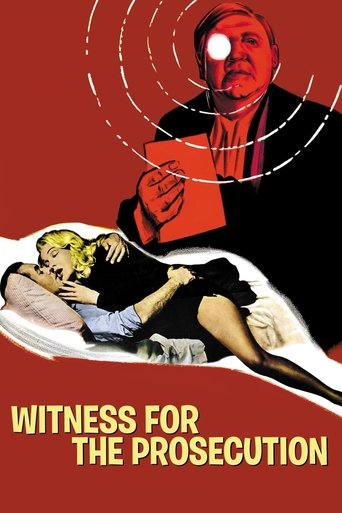 Witness for the Prosecution · 1957
Witness for the Prosecution
★ 8.21957
MovieDramaMystery
An ailing barrister is thrust back into the courtroom in what becomes one of the most unusual and eventful murder cases of the lawyer's career when he finds himself defending a man being tried for the murder of a socialite.
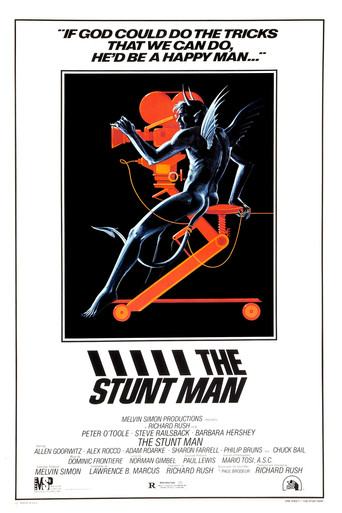 The Stunt Man · 1980
The Stunt Man
★ 6.61980
MovieActionComedy
A fugitive stumbles onto a movie set just when they need a new stunt man, takes the job as a way to hide out and falls for the leading lady while facing off with his manipulative director.
 Petulia · 1968
Petulia
★ 6.01968
MovieDramaRomance
Dr. Archie Bollen is having a midlife crisis. He's just divorced his wife and is establishing a new life for himself. One night, he catches the eye of Petulia Danner, a charming, free-spirited young woman. Petulia's vibrant personality hides her fear of her abusive husband, David, whose father is a powerful society figure. As Petulia and Archie's feelings for each other grow, they must decide what it is they truly want.
 Cause for Alarm! · 1951
Cause for Alarm!
★ 5.91951
MovieThrillerDrama
A bedridden and gravely ill man believes his wife and doctor are conspiring to kill him, and outlines his suspicions in a letter.
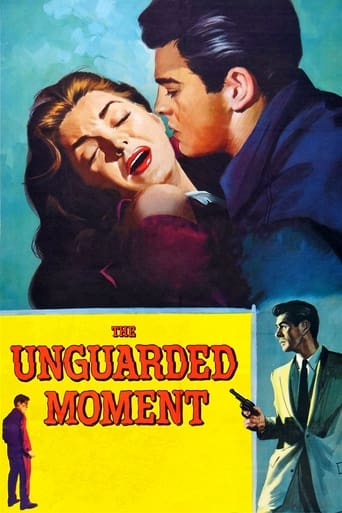 The Unguarded Moment · 1956
The Unguarded Moment
★ 6.51956
MovieCrimeDrama
A high-school music teacher is the victim of a student who writes indecent notes and assaults women.
 The Bigamist · 1953
The Bigamist
★ 6.41953
MovieDramaRomance
San Francisco businessman Harry Graham and his wife and business partner, Eve, are in the process of adopting a child. When private investigator Mr. Jordan uncovers the fact that Graham has another wife, Phyllis, and a small child in Los Angeles, he confesses everything.
 Dark City · 1950
Dark City
★ 6.51950
MovieDramaThriller
War hero Danny Haley fleeces out-of-town dupes in a rigged poker game. He and his pals see Arthur Winant as an easy mark, but they've reckoned without Winant's homicidal brother, who wants revenge after Arthur commits suicide.
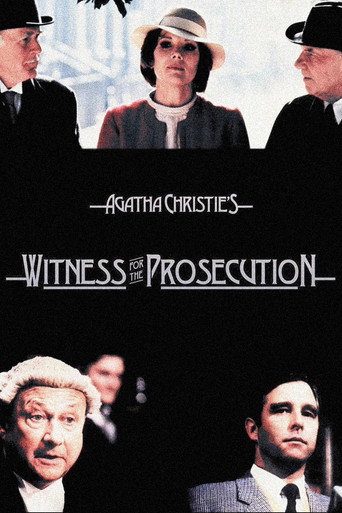 Witness for the Prosecution · 1982
Witness for the Prosecution
★ 6.61982
MovieCrimeDrama
An ailing barrister is thrust back into the courtroom in what becomes one of the most unusual and eventful murder cases of the lawyer's career when he finds himself defending a man being tried for the murder of a socialite.
Filmography
Sort