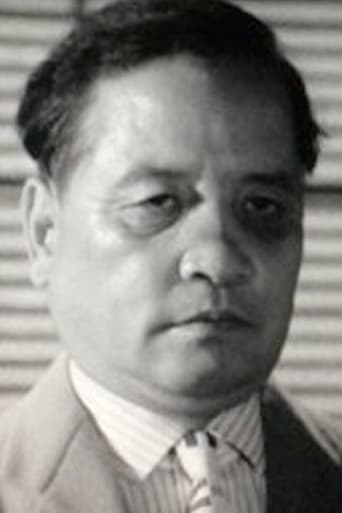
Acting
Jun Ōtomo
Born November 21, 1899 · Sendai, Miyagi Prefecture, Japan
Died December 28, 1978 · aged 79
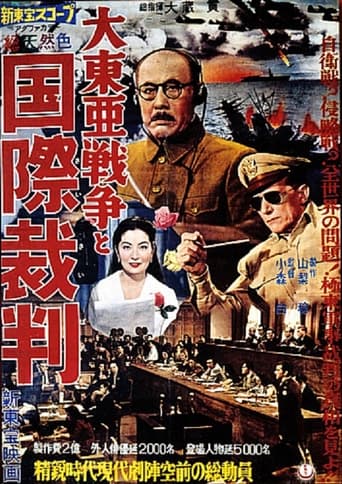
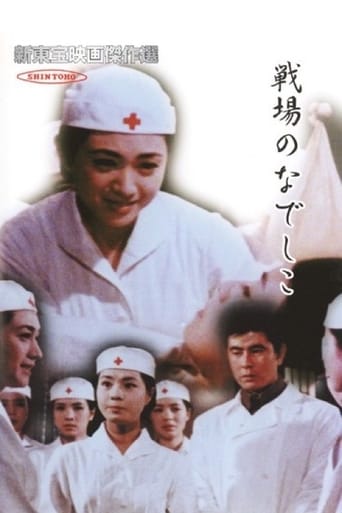
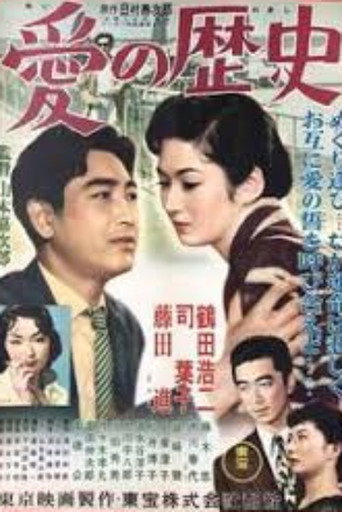
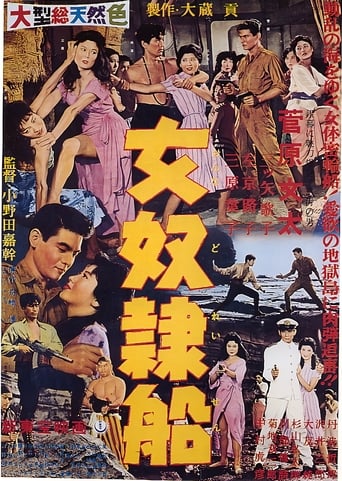
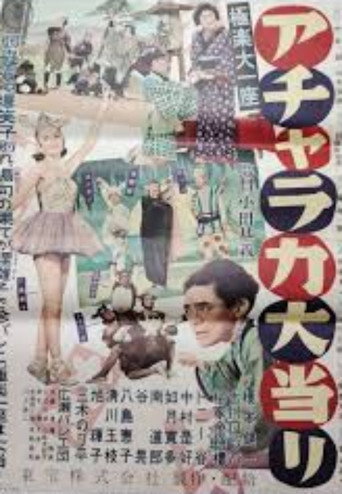
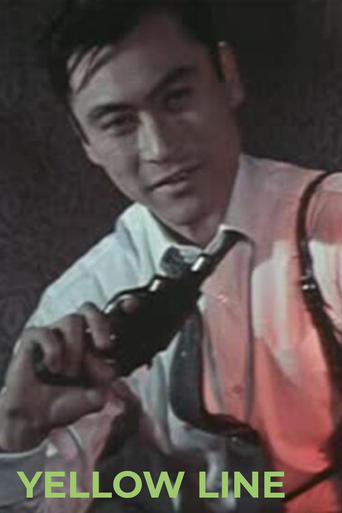
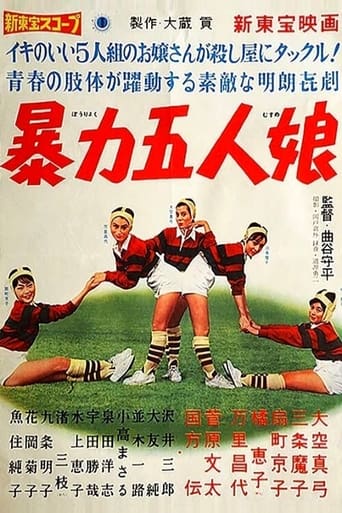
Originally a music teacher, Jun joined the Toho Mobile Culture Corps during WWII. He ultimately became active as a character actor in Toho and Shintoho productions in the '50s and '60s. Noted for his menacing onscreen countenance, he was remembered for his mild-mannered and affable nature in private life.
Known For
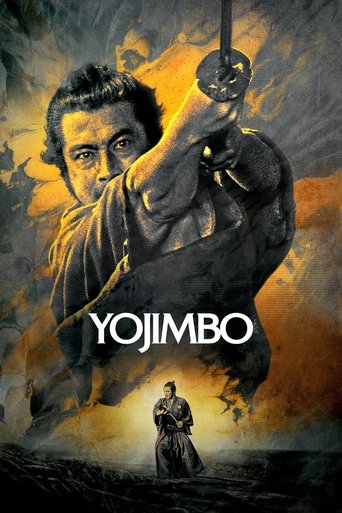 Yojimbo · 1961
Yojimbo
★ 8.11961
MovieDramaThriller
A nameless ronin, or samurai with no master, enters a small village in feudal Japan where two rival businessmen are struggling for control of the local gambling trade. Taking the name Sanjuro Kuwabatake, the ronin convinces both silk merchant Tazaemon and sake merchant Tokuemon to hire him as a personal bodyguard, then artfully sets in motion a full-scale gang war between the two ambitious and unscrupulous men.
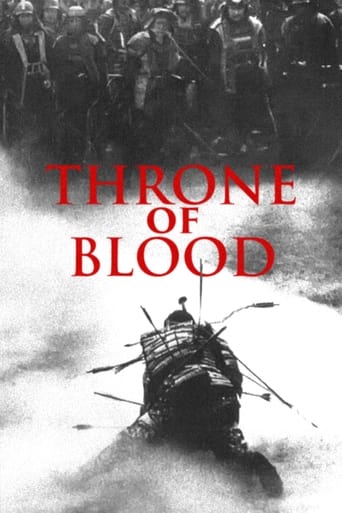 Throne of Blood · 1957
Throne of Blood
★ 7.91957
MovieDramaHistory
Returning to their lord's castle, samurai warriors Washizu and Miki are waylaid by a spirit who predicts their futures. When the first part of the spirit's prophecy comes true, Washizu's scheming wife, Asaji, presses him to speed up the rest of the spirit's prophecy by murdering his lord and usurping his place. Director Akira Kurosawa's resetting of William Shakespeare's "Macbeth" in feudal Japan is one of his most acclaimed films.
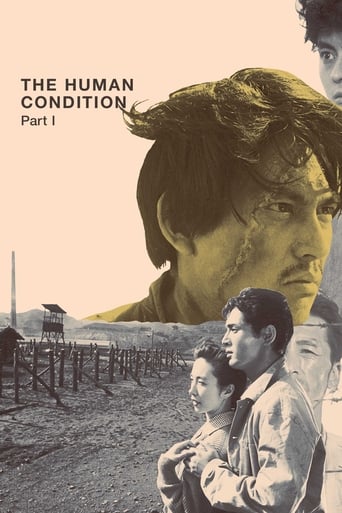 The Human Condition I: No Greater Love · 1959
The Human Condition I: No Greater Love
★ 8.21959
MovieWarDrama
After handing in a report on the treatment of Chinese colonial labor, Kaji is offered the post of labour chief at a large mining operation in Manchuria, which also grants him exemption from military service. He accepts and moves with his newlywed wife Michiko, but when he tries to put his ideas of more humane treatment into practice, he finds himself at odds with scheming officials, cruel foremen, and the military police.
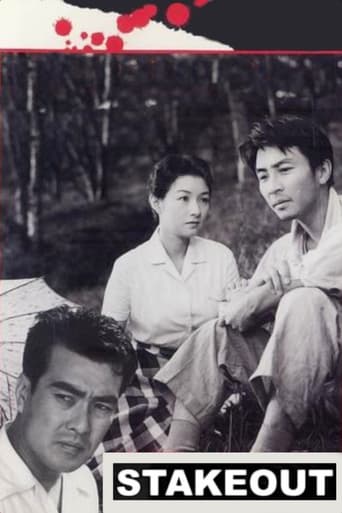 Stakeout · 1958
Stakeout
★ 7.11958
MovieCrimeDrama
Two detectives begin a stakeout based on the slim chance of catching a murderer whom they suspect will try to reunite with an old flame.
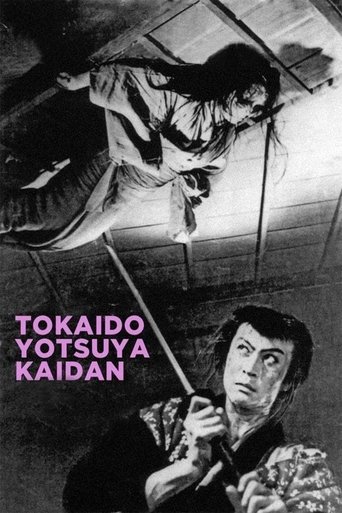 Ghost Story of Yotsuya · 1959
Ghost Story of Yotsuya
★ 6.51959
MovieHorror
This horror tale adapts the Japanese legend about a man who faces the consequences of betraying his wife in order to acquire wealth and power.
 Jigoku · 1960
Jigoku
★ 6.31960
MovieHorrorDrama
A group of sinners involved in interconnected tales of murder, revenge, deceit and adultery all meet at the Gates of Hell.
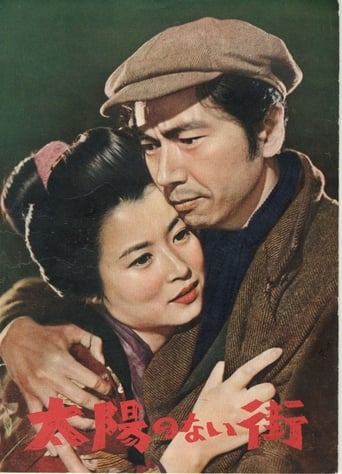 The Street Without Sun · 1954
The Street Without Sun
★ 7.01954
MovieDrama
Based on the novel by proletarian writer Sunao Tokunaga. The story is about a long strike by workers at a large printing house and the strikers' steadfastness, which neither hunger nor violence could break. The heroine of this story actively participates in her colleagues' struggle against layoffs, oppression, and police brutality.
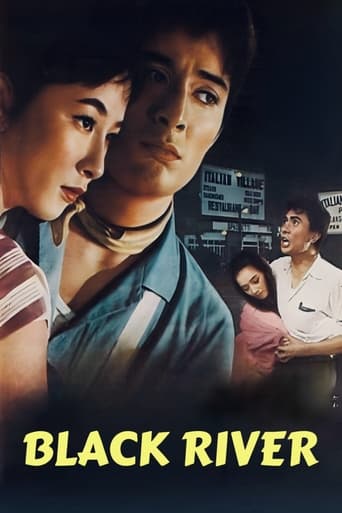 Black River · 1957
Black River
★ 7.01957
MovieCrimeDrama
A love triangle develops between a benevolent student, his innocent girlfriend, and a cruel petty criminal, all as a point of diagnosis of a social disease that had Japan slowly succumbing to lawlessness during the post-War era.