Directing
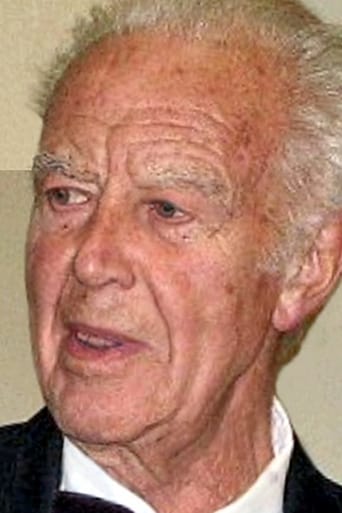
Philip Saville
Born October 28, 1930 · London, UK
Died December 22, 2016 · aged 86
Philip Saville (sometimes credited as Philip Savile, born 28 October 1930, London) is a British actor who turned to television direction and screenwriting in the late 1950s. During the 1960s he directed several important television plays, such as Harold Pinter's A Night Out (1960) for ABC's Armchair Theatre anthology series, and the lost Madhouse on Castle Street (1963) for the BBC. The later pro…
Known For
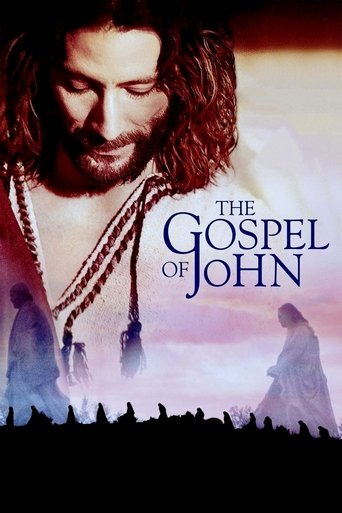 The Gospel of John · 2003
The Gospel of John
★ 7.52003
MovieDrama
A word for word depiction of the life of Jesus Christ from the Good News Translation Bible as recorded in the Gospel of John.
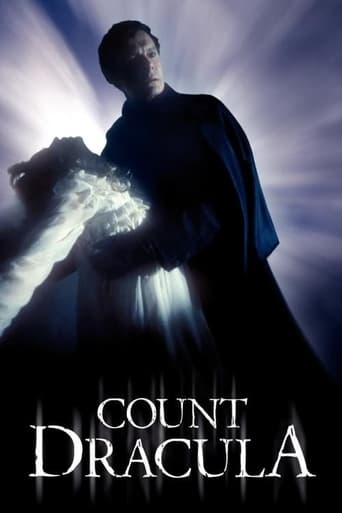
 Count Dracula · 1977
Count Dracula
★ 7.01977
MovieHorrorThriller
Jonathan Harker visits the Count in Transylvania to help him with preparations to move to England. Harker becomes Dracula's prisoner and discovers Dracula's true nature. After Dracula makes his way to England, Harker becomes involved in an effort to track down and destroy the Count, eventually chasing the vampire back to his castle.
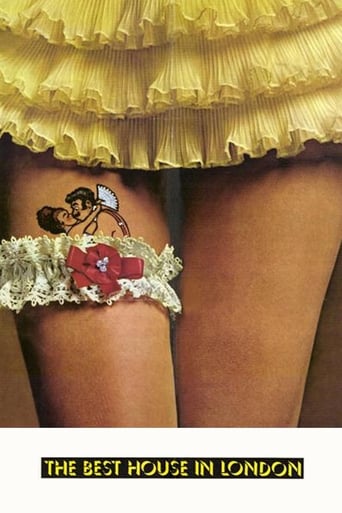 The Best House in London · 1969
The Best House in London
★ 4.01969
MovieComedy
In Victorian London, the British Government attempts a solution to the problem of street prostitution by establishing the world's most fabulous brothel.
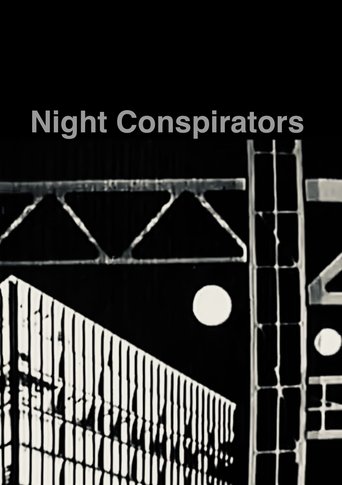 Night Conspirators · 1962
Night Conspirators
1962
Movie
An old man is rescued from Iceland. Why would you need rescuing from Iceland - unless you're Adolf Hitler...
 Those Glory Glory Days · 1983
Those Glory Glory Days
★ 5.31983
MovieDramaTV Movie
Girls growing up in 1960-61 London develop a passion for Tottenham Hotspur Football Club, the first British team in the 20th century to win the English league and FA Cup "double". Twenty years later, one of the girls tracks down players of the '60-'61 Spurs for a documentary.
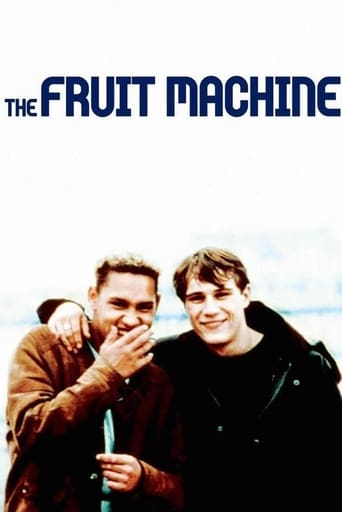 The Fruit Machine · 1988
The Fruit Machine
★ 6.01988
MovieDrama
Eddie and Michael are two 16-year-old gay friends from Liverpool. Berated by his father for his camp behavior, Eddie runs away from his Liverpool home and joins Michael, a streetwise hustler, who is also on the run.
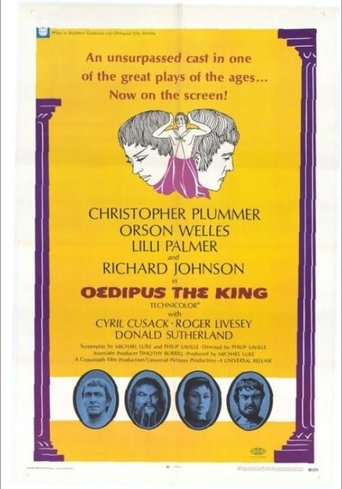 Oedipus the King · 1968
Oedipus the King
★ 6.01968
MovieDrama
This classic Greek tale tells how a noble youth accidentally marries his own mother, kills his own father and ends up paying a terrible price for invoking the wrath of the Gods.
 The Biographer · 2002
The Biographer
★ 9.02002
MovieDramaTV Movie
Dramatisation of the events leading to Andrew Morton writing his biography of Princess Diana.