Directing
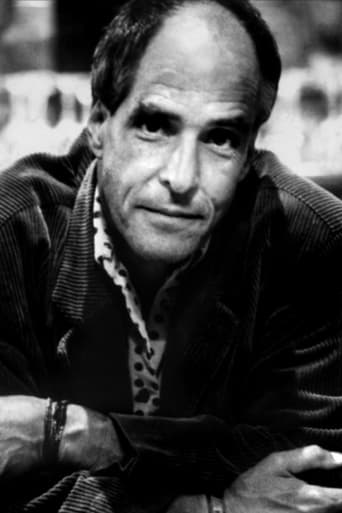
Robert Kramer
Born June 22, 1939 · New York City, New York, USA
Died November 10, 1999 · aged 60
Robert Kramer (June 22, 1939 – November 10, 1999) was a left leaning American film director, screenwriter and actor. He directed 19 films between 1965 and 1999, most of them political cinema made from a left-wing point of view. His film À toute allure was entered into the 1982 Cannes Film Festival. Description above from the Wikipedia article Robert Kramer, licensed under CC-BY-SA, full list of c…
Known For
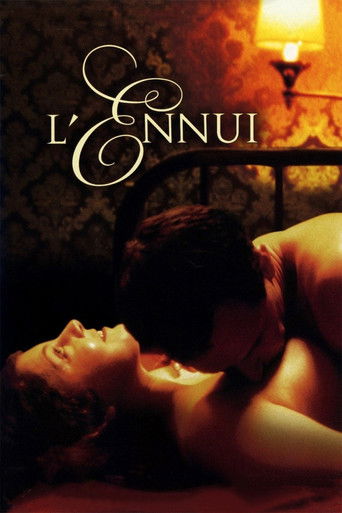 L'ennui · 1998
L'ennui
★ 5.31998
MovieDramaRomance
A philosophy teacher restless with the need to do something with his life meets a young woman suspected of driving an artist to his death. He finds the very simple Cecilia irritating but develops a sexual rapport with her. Obsessed with the need to own and tormented by her inability to respond to him, he becomes increasingly violent in a quest he can't name - a quest that slowly begins to undermine his certainties.
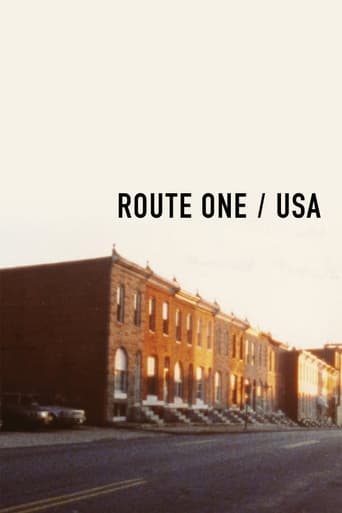 Route One/USA · 1989
Route One/USA
★ 7.41989
MovieDocumentary
Route One is the first major U.S. highway. 5000 km along the Atlantic coast, from the Canadian border to the tip of Florida. Doc, a physician who spent many years in Africa, returns to the U.S. and decides to reconnect with his home country by walking the legendary Route One.
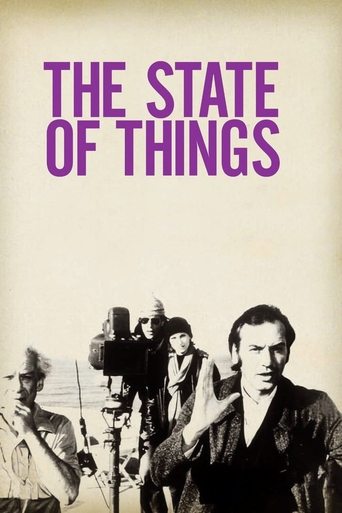 The State of Things · 1982
The State of Things
★ 6.41982
MovieDrama
On location in Portugal, a film crew runs out of film while making their own version of Roger Corman's The Day the World Ended (1956). The producer is nowhere to be found and director Munro attempts to find him in hopes of being able to finish the film.
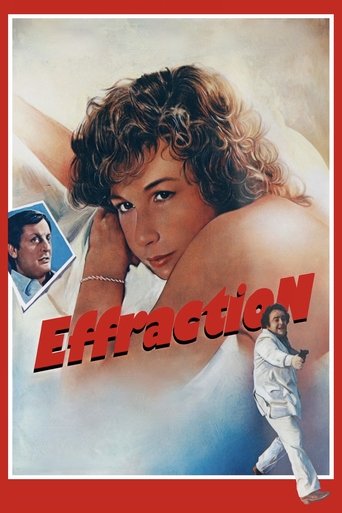 Effraction · 1983
Effraction
★ 4.01983
MovieCrimeThriller
During a robbery that goes wrong, Valentin Tralande kills his accomplices and bank customers.
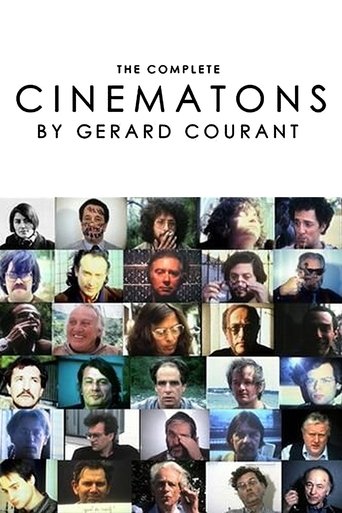 Cinématon · 1978
Cinématon
★ 4.91978
MovieDocumentary
Cinématon is a 156-hour long experimental film by French director Gérard Courant. It was the longest film ever released until 2011. Composed over 36 years from 1978 until 2006, it consists of a series of over 2,821 silent vignettes (cinématons), each 3 minutes and 25 seconds long, of various celebrities, artists, journalists and friends of the director, each doing whatever they want for the allotted time. Subjects of the film include directors Barbet Schroeder, Nagisa Oshima, Volker Schlöndorff, Ken Loach, Benjamin Cuq, Youssef Chahine, Wim Wenders, Joseph Losey, Jean-Luc Godard, Samuel Fuller and Terry Gilliam, chess grandmaster Joël Lautier, and actors Roberto Benigni, Stéphane Audran, Julie Delpy and Lesley Chatterley. Gilliam is featured eating a 100-franc note, while Fuller smokes a cigar. Courant's favourite subject was a 7-month-old baby. The film was screened in its then-entirety in Avignon in November 2009 and was screened in Redondo Beach, CA on April 9, 2010.
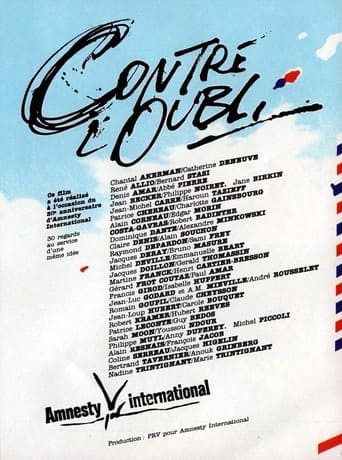 Lest We Forget · 1991
Lest We Forget
★ 7.01991
MovieDocumentaryDrama
A compilation of 30 French filmmakers, Alain Resnais and Jean Luc Godard among them, who use film to make a plea on behalf of a political prisoner. Jean Luc Godard and Anne Marie Mieville's film concerns the plight of Thomas Wanggai, West Papuan activist who has since died in prison. The short films were commissioned by Amnesty International.
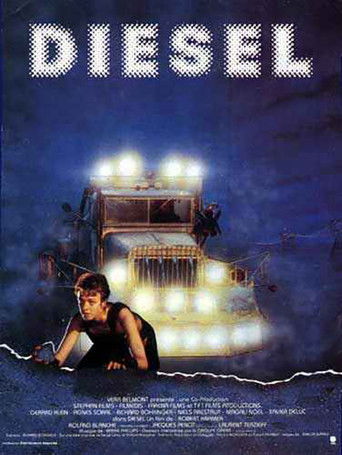 Diesel · 1985
Diesel
★ 5.11985
MovieActionDrama
A prostitute, released from prison, tries to change her life, but a murderous slave organization, the Consortium, is determined to bring her back to the fold or kill her, which forces her to seek help from Liberty, an anti-Consortium group.
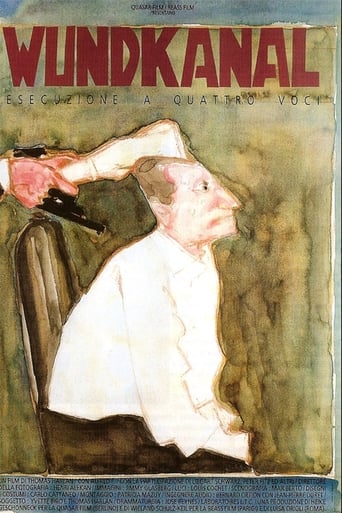 Wundkanal · 1984
Wundkanal
★ 6.71984
MovieDrama
An old man is kidnapped. His interrogation uncovers the biography of a mass murderer: The 80 years old man was a SS leader and responsible for the killing of thousands of people in the Soviet Union. He also "invented" an evil technique of eliminating political prisoners: the manipulated suicide. Thomas Harlan reconstructs the history of a bureaucratic murderer, he also develops a direct connection between the Nationalsocialism and the treatment of prisoners of the RAF terrorists in the Stuttgart isolation prison. Robert Kramer filmed the shooting of Harlan's Wundkanal: Notre Nazi documents a social experiment in which the children of Nazis and of victims meet a real culprit. The reality seems to be stronger that the fiction in Harlan's film. (Edition Filmmuseum)