Acting
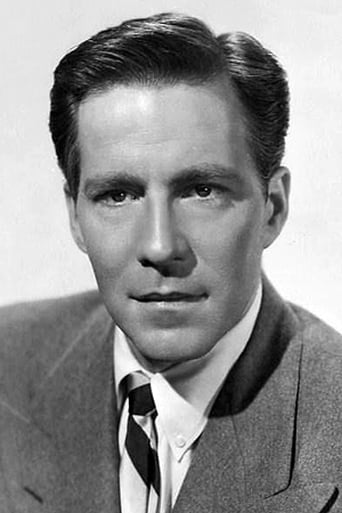
Hugh Marlowe
Born January 30, 1911 · Philadelphia, Pennsylvania, USA
Died May 2, 1982 · aged 71
Hugh Marlowe (January 30, 1911 – May 2, 1982) was an American film, television, stage and radio actor. Marlowe was born Hugh Herbert Hipple in Philadelphia, Pennsylvania, and began his stage career in the 1930s at the Pasadena Playhouse in California. Marlowe was usually a secondary lead or supporting actor in the films he appeared in. His films included Meet Me in St. Louis (1944), Twelve O'Clo…
Known For
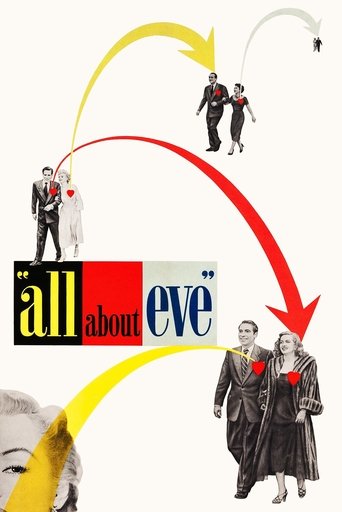 All About Eve · 1950
All About Eve
★ 8.11950
MovieDrama
From the moment she glimpses her idol at the stage door, Eve Harrington is determined to take the reins of power away from the great actress Margo Channing. Eve maneuvers her way into Margo's Broadway role, becomes a sensation and even causes turmoil in the lives of Margo's director boyfriend, her playwright and his wife. Only the cynical drama critic sees through Eve, admiring her audacity and perfect pattern of deceit.
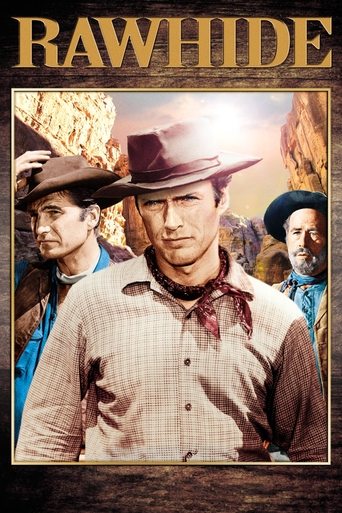
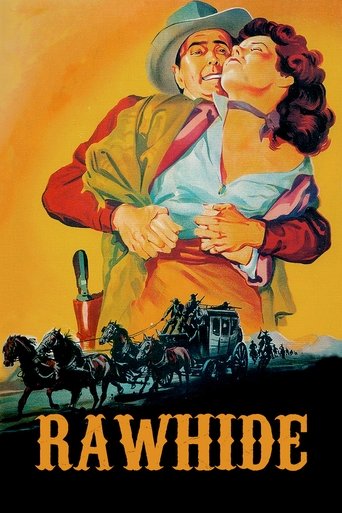 Rawhide · 1951
Rawhide
★ 6.71951
MovieWestern
At a desolate relay station in the west, a stagecoach attendant and a stranded woman traveller are held captive by a band of escaped convicts.
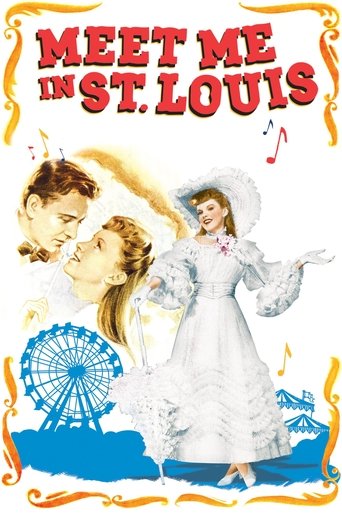 Meet Me in St. Louis · 1944
Meet Me in St. Louis
★ 7.01944
MovieComedyDrama
A year in the life of a turn-of-the-century middle class family, leading up to the opening of the 1904 St. Louis World's Fair.
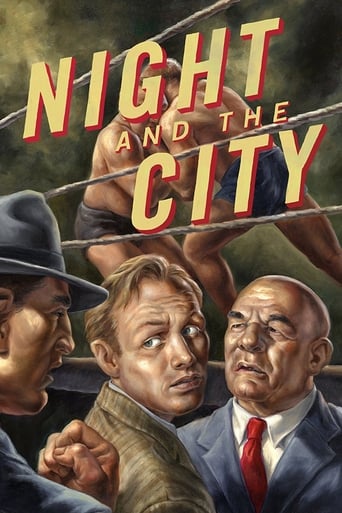 Night and the City · 1950
Night and the City
★ 7.51950
MovieDramaCrime
Londoner Harry Fabian is a second-rate con man looking for an angle. After years of putting up with Harry's schemes, his girlfriend, Mary, becomes fed up when he taps her for yet another loan.
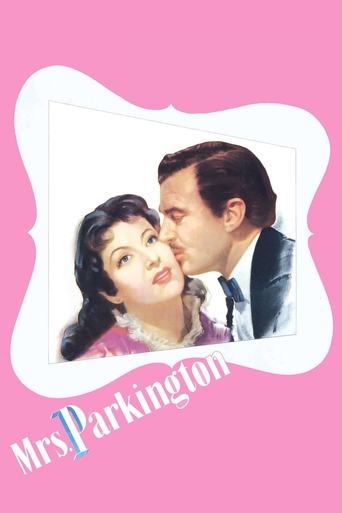 Mrs. Parkington · 1944
Mrs. Parkington
★ 6.01944
MovieDramaRomance
In this family saga, Mrs. Parkington recounts the story of her life, beginning as a hotel maid in frontier Nevada where she is swept off her feet by mine owner and financier Augustus Parkington. He moves them to New York, tries to remake her into a society woman, and establishes their home among the wealthiest of New York's high society. Family and social life is not always peaceful, however, and she guides us, in flashbacks, through the rises and falls of the Parkington family fortunes.
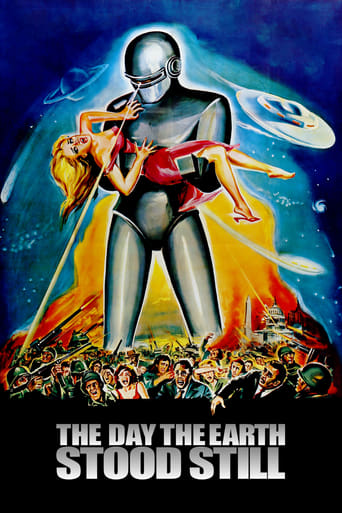 The Day the Earth Stood Still · 1951
The Day the Earth Stood Still
★ 7.41951
MovieScience FictionThriller
An alien and a robot land on Earth after World War II and tell mankind to be peaceful or face destruction.
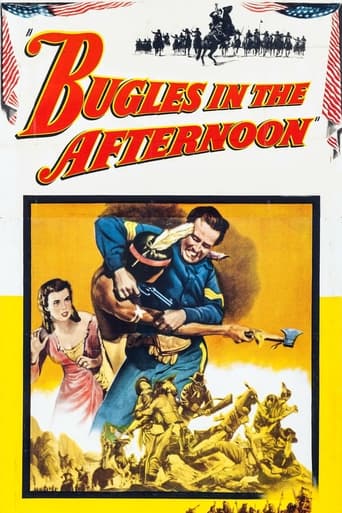 Bugles in the Afternoon · 1952
Bugles in the Afternoon
★ 5.41952
MovieWestern
Old enemies stationed together at an Army post vie for the same woman.
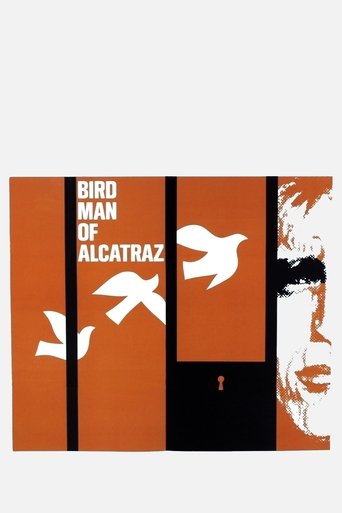 Birdman of Alcatraz · 1962
Birdman of Alcatraz
★ 7.51962
MovieDramaCrime
After killing a prison guard, convict Robert Stroud faces life imprisonment in solitary confinement. Driven nearly mad by loneliness and despair, Stroud's life gains new meaning when he happens upon a helpless baby sparrow in the exercise yard and nurses it back to health. Despite having only a third grade education, Stroud goes on to become a renowned ornithologist and achieves a greater sense of freedom and purpose behind bars than most people find in the outside world.
Filmography
Sort
Bugles in the Afternoon · 1952Bugles in the Afternoon
★ 5.41952
MovieWestern
Old enemies stationed together at an Army post vie for the same woman.
Capitano Garnett