Acting
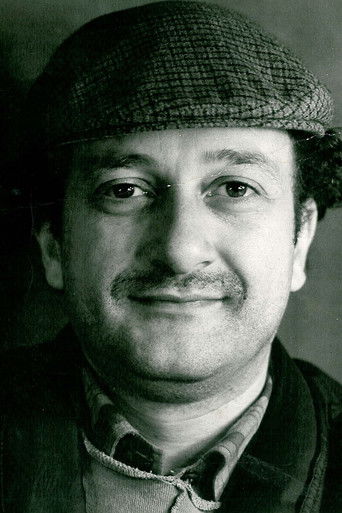
Mário Viegas
Born November 10, 1948 · Santarém, Portugal
Died April 1, 1996 · aged 47
No biography available.
Known For
 Pereira Declares · 1995
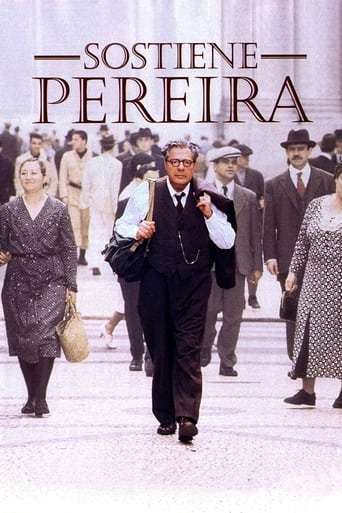
Pereira Declares
★ 6.71995
MovieDrama
Lisbon, 1938. Mr. Pereira is the editor of the culture section of an evening paper. Although fascism is on the rise in Europe, like in nearby civil war Spain or even inside Portugal itself in the form of Salazar's regime, Pereira only concerns himself with writing bios and translating French novels. Things change after he hires a young writer as his assistant, getting to know also his girlfriend – both opponents to the regime – and reluctantly helps them when they begin to get in trouble for subversive activities. Eventually, he's forced to take a stand...
 Fado Lusitano · 1995
Fado Lusitano
★ 8.51995
MovieAnimationHistory
Portugal feels himself a little country in the tail of Europe. Has a wandering heart, an adventurous spirit, an embittered soul and an obedient body.
 No Trace of Sin · 1983
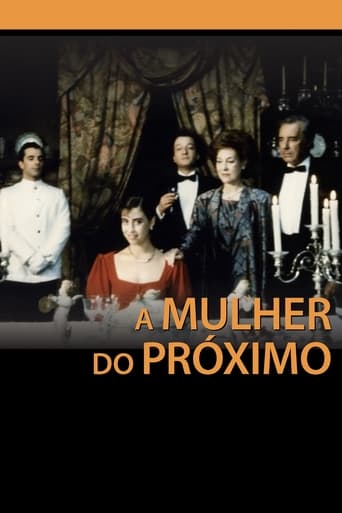
No Trace of Sin
★ 6.81983
MovieDrama
A young man from a high-bourgeois family, Henrique receives mysterious phone calls from a woman at the barracks where he is serving in the military, which attracts him to meetings without consequences.
 The Divine Comedy · 1991
The Divine Comedy
★ 6.61991
MovieDrama
In a mental institution the patients see themselves as people like Jesus, Lazarus, Martha, Mary, Adam, Eve, Sonia, Raskolnikov, Aliosha e Ivan Karamasov, a Philosopher, a Profet, Santa Teresa d'Avila, reciting the Divine Comedy.
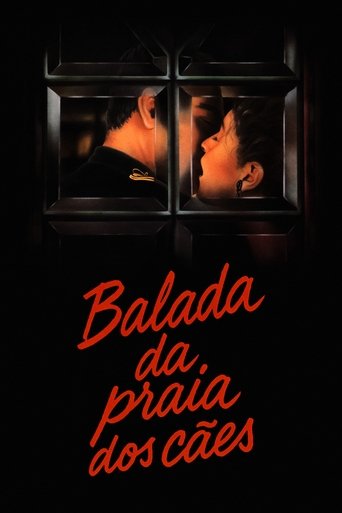 Ballad of Dog Beach · 1987
Ballad of Dog Beach
★ 6.41987
MovieCrimeDrama
In Portugal, in the 60s, the corpse of a man appears on Dog's Beach. The corpse is identified as the major Dantas, a man wanted by authorities after his escape from a military prison where he was awaiting trial for insurrection.
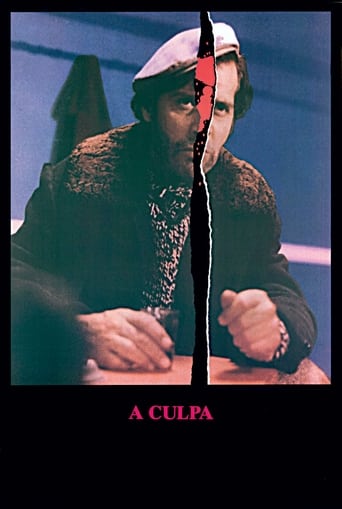 The Fault · 1980
The Fault
★ 10.01980
MovieDrama
Guinea-Bissau: Portuguese Colony, year: 1973. An Ex-military returns to his hometown. Bringing back with him a vague sense of guilt due to the killing of two men (a soldier and a native) by his sounding of the alarm during one given night.
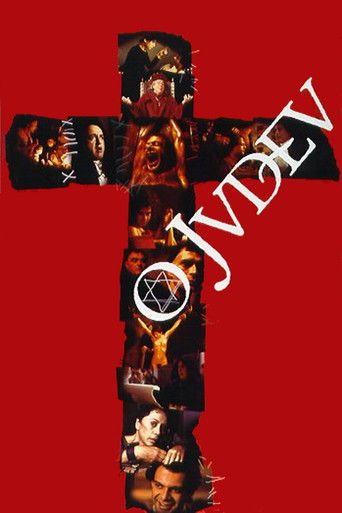 The Jew · 1996
The Jew
★ 5.71996
MovieDrama
The story of Brazilian Antônio José da Silva, a jewish poet, playwright and lawyer living in the 18th Century Lisbon, who managed to avoid Inquisition by converting himself to Catholicism, after being tortured. But his fierce criticism of Portugal's élite led him to persecution and torture, becoming kind of a scapegoat.
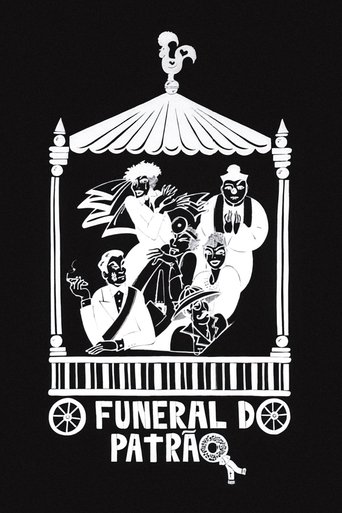 O Funeral do Patrão · 1975
O Funeral do Patrão
★ 7.01975
MovieDrama
Once the boss started deducting a third of the workers' wages on the pretext that it was necessary to purchase new machines in order to compete, a group of workers went on strike, occupied the company, but were expelled from their workplace by the police. Out on the street, the workers think about the best way to make their comrades and the general population aware of the seriousness of their situation. They then decide, by mutual agreement, following the humorous tradition of cegadas and popular theater, to improvise a satirical performance in which they denounce some typical examples of capitalist exploitation. From the bandstand, which serves as their rehearsal stage, to the final procession, which unexpectedly takes on a different tone, the workers learn and teach us how scathing and uncompromising criticism of capitalist institutions can be transformed into a celebration of struggle, joy, and unity.
Filmography
Sort
No Trace of Sin · 1983No Trace of Sin
★ 6.81983
MovieDrama
A young man from a high-bourgeois family, Henrique receives mysterious phone calls from a woman at the barracks where he is serving in the military, which attracts him to meetings without consequences.
Aspirante Henrique Sousa Andrade
Ballad of Dog Beach · 1987Ballad of Dog Beach
★ 6.41987
MovieCrimeDrama
In Portugal, in the 60s, the corpse of a man appears on Dog's Beach. The corpse is identified as the major Dantas, a man wanted by authorities after his escape from a military prison where he was awaiting trial for insurrection.
Voice of Captain Dantas (voice) (uncredited)