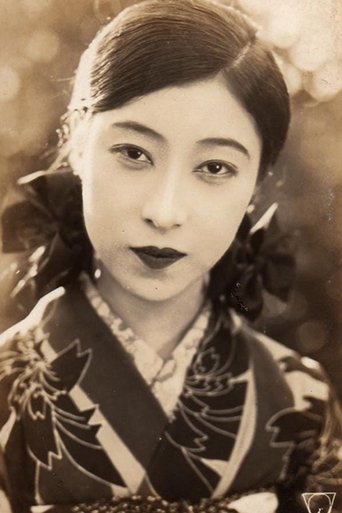
Acting
Emiko Yagumo
Born August 15, 1903 · Osaka, Japan
Died January 13, 1979 · aged 75
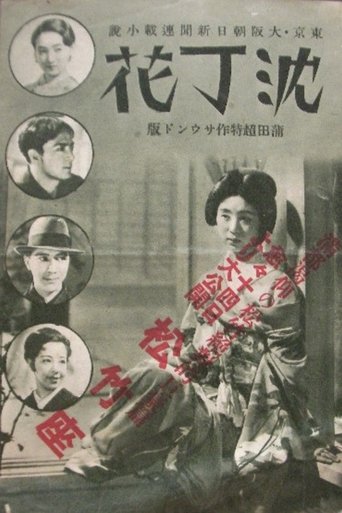
Emiko Yagumo (August 15, 1903 - January 13, 1979) was a Japanese actress, real name Chiyoko Tamano. At the age of 18, she fled home to follow a lover to Shanghai. On her return to Japan, she became a geisha. She appeared in 110 films between 1926 and 1937 before she retired and founded a beauty company.
Known For
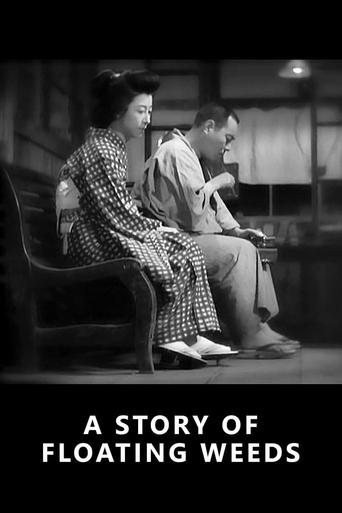 A Story of Floating Weeds · 1934
A Story of Floating Weeds
★ 7.21934
MovieDrama
An aging actor returns to a small town with his troupe and reunites with his former lover and illegitimate son, a scenario that enrages his current mistress and results in heartbreak for all.
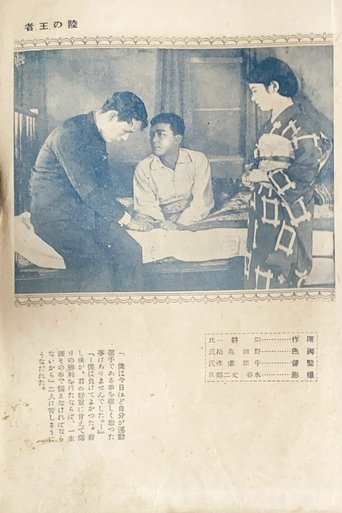 King of the Land · 1928
King of the Land
1928
MovieDrama
Japanese silent film from 1928, ranked as Kinema Junpo's second-best Japanese movie of the year.
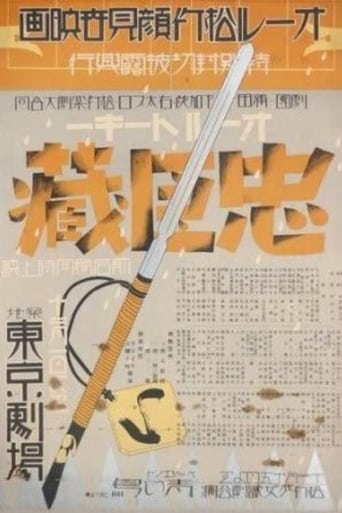 The Loyal 47 Ronin · 1932
The Loyal 47 Ronin
1932
MovieDrama
This 1932 adaptation is the earliest sound version of the ever-popular and much-filmed Chushingura story of the loyal 47 retainers who avenged their feudal lord after he was obliged to commit hara-kiri due to the machinations of a villainous courtier. As the first sound version of the classic narrative, the film was something of an event, and employed a stellar cast, who give a roster of memorable performances. Director Teinosuke Kinugasa was primarily a specialist in jidai-geki (period films), such as the internationally celebrated Gate of Hell (Jigokumon, 1953), and although he is now most famous as the maker of the avant-garde silent films A Page of Madness (Kurutta ichipeji, 1926) and Crossroads (Jujiro, 1928), Chushingura is in fact more typical of his output than those experimental works. The film ranked third in that year’s Kinema Junpo critics’ poll, and Joseph Anderson and Donald Richie noted that 'not only the sound but the quick cutting was admired by many critics.
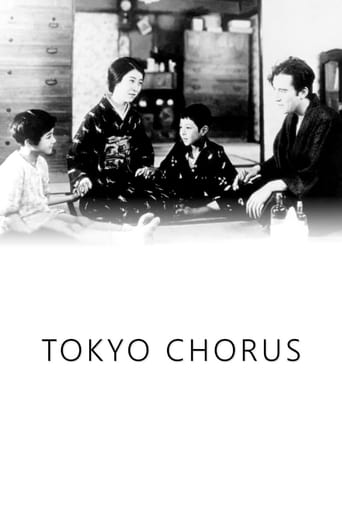 Tokyo Chorus · 1931
Tokyo Chorus
★ 6.81931
MovieComedyDrama
During the Depression, a young man struggles to provide for his family after he is sacked for defending an older colleague.
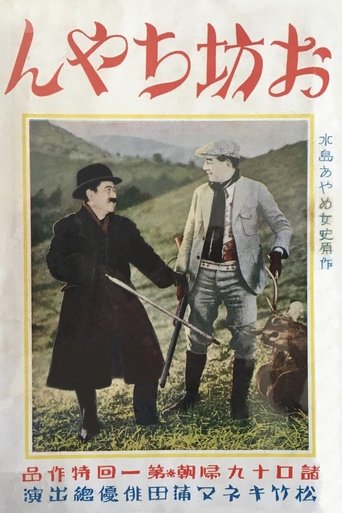 Young Master · 1926
Young Master
1926
Movie
Japanese silent film from 1926. (Obo-chan meaning "Young Master.") Written by Ayame Mizushima, the first female screenwriter in Japan.
 Silver Stream · 1931
Silver Stream
★ 7.01931
Movie
Michiko gets pregnant after a rape. She marries a boring business partner of her father to avoid the shame. Later she meets the rapist again who is now a union leader in opposition of her husband.
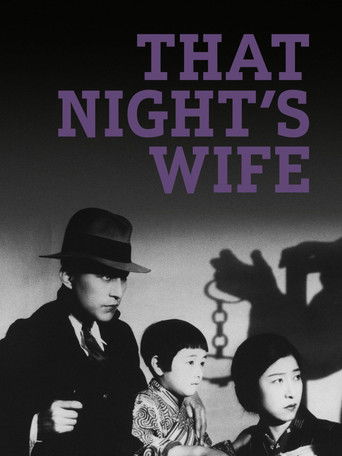 That Night's Wife · 1930
That Night's Wife
★ 6.31930
MovieDramaCrime
In Depression-era Japan, a man commits a robbery to save his critically ill daughter and escapes with the funds, but complications arise.
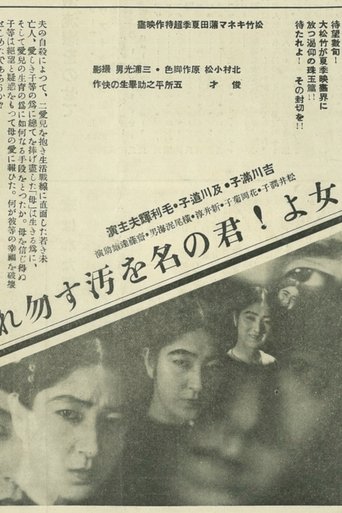 Mother, Don't Tarnish Your Name · 1930
Mother, Don't Tarnish Your Name
★ 10.01930
MovieDrama
Because of her husband’s suicide, a young widow finds herself suddenly cast into a life of solitude, with only her beloved child in her arms. At first, her pure devotion is directed toward the memory of her late husband, but before long it transforms into a fierce, consuming love for her child. That very love, however, drives her onto a perilous path, leading inexorably toward the tragic fate of a doomed flower. Ah, Mother! For what sin must you endure the scourge of the world? This work is offered in silence and reverence—above all to mothers everywhere. [Adapted from the promotional poster.]
Filmography
Sort