Directing
Bruce Conner
Born November 18, 1933 · McPherson, Kansas
Died July 7, 2008 · aged 74
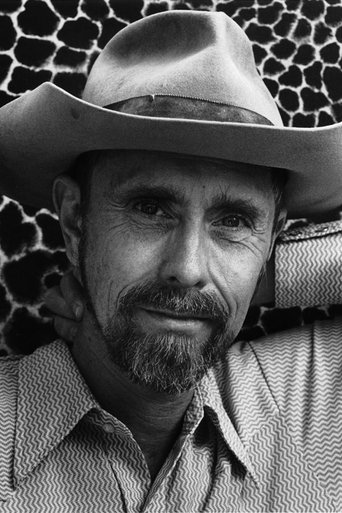
Bruce Conner (November 18, 1933 - July 7, 2008) was an American artist renowned for his work in film, drawing, sculpture, painting, collage, and photography, among other disciplines. He first attracted public attention in the 1950s with his nylon-shrouded assemblages—complex sculptures of found objects such as women's stockings, costume jewelry, bicycle wheels, and broken dolls, often combined wit…
Known For
 Breakaway · 1967
Breakaway
★ 6.51967
MovieMusic
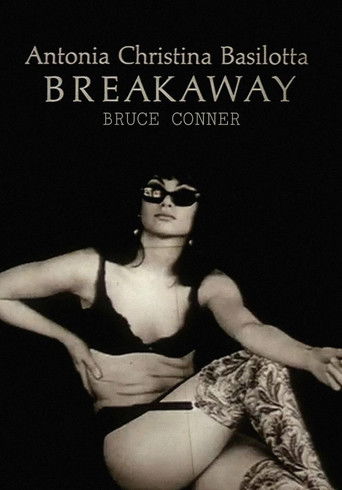
Breakaway plays out like a visual symphony. A prototype for the best (but still, lesser) contemporary formalist music videos, like Peter Care’s “What’s the Frequency, Kenneth?” and “Drive” (both for REM), Conner’s movie is an experiment in the visual language of film. But no matter how powerful a formal analysis of his filmmaking process may be in suggesting how Conner’s rhythms affect us, there is much in Breakaway – in Basilotta’s brash and unbridled self-assertiveness, in Conner’s feverish camera style, and even in the uncomplicated honesty of Cobb’s catchy lyrics and tune – that defies verbalisation… and must simply be loved! -- Senses of Cinema
 A Movie · 1958
A Movie
★ 6.51958
MovieDrama
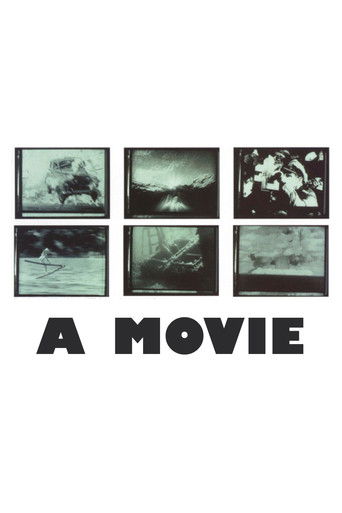
Bruce Conner's landmark experimental film consisting entirely of found footage edited to a new score.
 Crossroads · 1976
Crossroads
★ 7.01976
MovieDocumentary
The 1945 atomic-bomb explosion at Bikini Atoll becomes a thing of terrible beauty and haunting visual poetry when shown in extreme slow motion, shown from 27 different angles, and accompanied by avant-garde Western classical music composed for electric organ by Terry Riley. Preserved by the Academy Film Archive in partnership with Pacific Film Archive in 1995.
 Mongoloid · 1978
Mongoloid
★ 5.31978
Movie
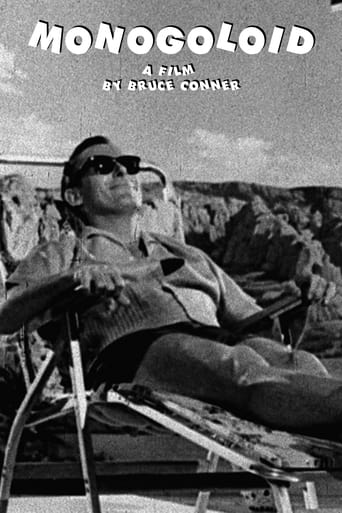
A documentary film exploring the manner in which a determined young man overcame a basic mental defect and became a useful member of society. Insightful editing techniques reveal the dreams, ideals and problems that face a large segment of the American male population. Educational. Background music written and performed by the DEVO orchestra.
 Permian Strata · 1969
Permian Strata
★ 7.01969
Movie
A film he made in 1969 that rarely gets discussed, and is only barely mentioned even in the monograph 2000 BC: The Bruce Conner Story Part II. This excellent tome contains close analysis by Bruce Jenkins of film-school staples like A Movie and Looking For Mushrooms as well as of later works like Valse Triste and Take the 5:10 to Dreamland. The 1969 film is called Permian Strata, a title which works in conjunction with the images and the song that makes up the film's soundtrack to form a colossal pun. So often experimental film gets pigeonholed as overly serious, boring, stuffy, or requiring an expertise in filmmaking processes to fully appreciate.
 Valse Triste · 1977
Valse Triste
★ 6.01977
MovieDrama
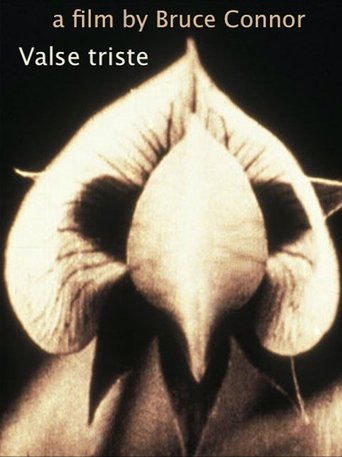
With a similar dreamy mood like its predecessor "Take the 5:10 to Dreamland" (1976) this clip starts with a boy getting into his bed. The camera zooms in into the boy's mind and a slow, sad waltz (i.e."Valse Triste") accompanies images of a locomotive, a miner, the globe, the sky, a sheep heard, etc. Disparate elements, but if one concentrates only at the movement of the figures, one can perceive a commotion, slowly livening up: The starting wheels of the heavy locomotive, the tired miner pushing the heavy cart of coal bricks, the globe smoothly turning around and around, the clouds imperceptibly floating in the sky, the sheep idly moving in the herd, etc. We reach the first climax when a mannequin opens her coat like a flower. The second big crescendo spurts out from a "water hose", after watching schoolgirls doing gymnastics for quite a while. A sad, but nostalgic aftertaste lingers in the end when funeral cars drive away through a flooded area…
 Mea Culpa · 1981
Mea Culpa
★ 5.21981
MovieMusic
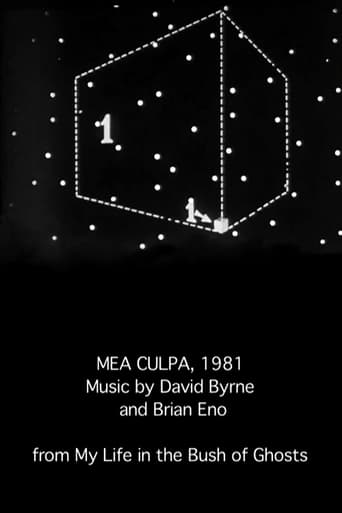
In his first collaboration with David Byrne and Brian Eno, Conner used footage from educational films to create a rhythmically austere image-track for music from their pioneering “sampling” album “My Life in the Bush of Ghosts” (1981).
 Cosmic Ray · 1962
Cosmic Ray
★ 6.41962
MovieMusicHistory
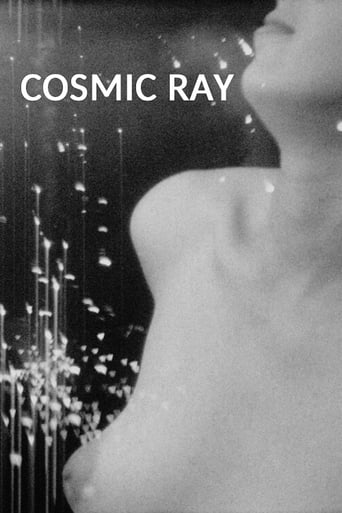
Experimental short uses Ray Charles' “What'd I Say” as accompaniment to constantly shifting collage of female nude, cartoons, and newsreels of atomic bomb explosions.
Filmography
Sort