Directing
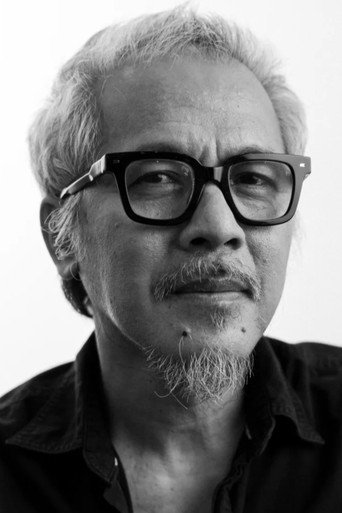
Lav Diaz
Born December 30, 1958 · Columbio, Sultan Kudarat, Philippines (age 67)
Lavrente 'Lav' Indico Diaz (born December 30, 1958) is a Filipino independent filmmaker and former film critic. He is known as one of the key practitioners of the slow cinema genre, producing a diverse range of some of the longest narrative films that explore social and political issues, minimalistic storytelling, long takes, and cinematic form. Although he had been making films since the late 19…
Known For
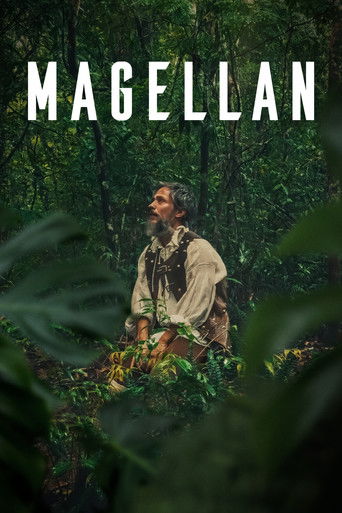 Magellan · 2025
Magellan
★ 6.32025
MovieHistoryAdventure
At the dawn of the modern era, Portuguese explorer Ferdinand Magellan leads an expedition under the Spanish crown in search of the first westward route to the Spice Islands. He embarks on a perilous journey across the uncharted Pacific, where his fleet faces starvation, mutiny, and the psychological toll of endless seas. Upon reaching the shores of Cebu, Magellan is pulled into a fatal conflict with the natives by his drive to spread Catholicism, culminating in his tragic doom.
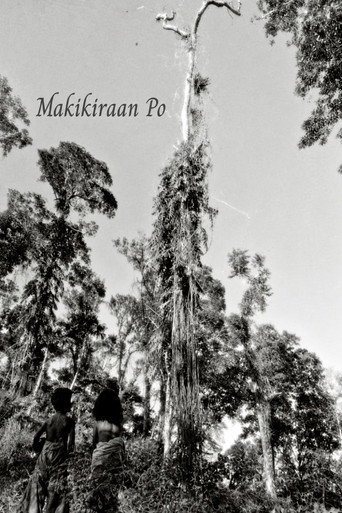 Let Us Through, Dear Ancestors · 2026
Let Us Through, Dear Ancestors
2026
MovieHistoryDrama
1617, Las Islas Filipinas. The Spanish friar, Father Enciso, the encomendero of one of the islands, rules with unrelenting toughness and an insatiable libido to tame the savages.
 Venice 70: Future Reloaded · 2013
Venice 70: Future Reloaded
★ 5.02013
MovieDramaDocumentary
Made for the Venice Film Festival's 70th anniversary, seventy filmmakers made a short film between 60 and 90 seconds long on their interpretation of the future of cinema.
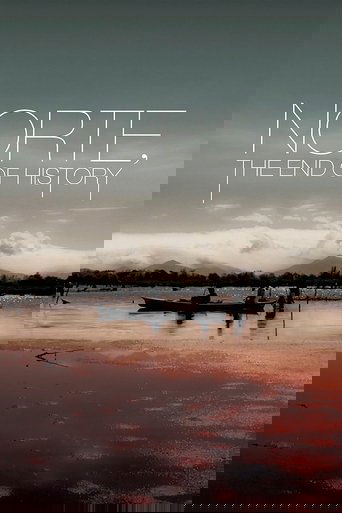 Norte, the End of History · 2014
Norte, the End of History
★ 7.42014
MovieCrimeDrama
An embittered law student commits a brutal double murder; a family man takes the fall and is forced to take a harsh sentence; and a mother and her two children wander the countryside in search of some kind of redemption.
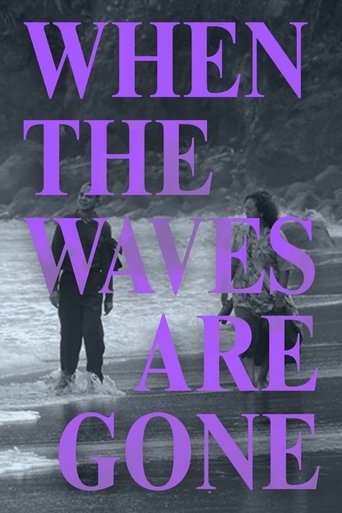 When the Waves Are Gone · 2023
When the Waves Are Gone
★ 7.02023
MovieDramaThriller
One of the Philippines' top investigators, Lieutenant Hermes Papauran, faces a deep moral crossroads. As a firsthand witness of the murderous anti-drug campaign conducted by his force, his anxiety and guilt triggers a severe skin disease, and his healing process is fraught by his dark past.
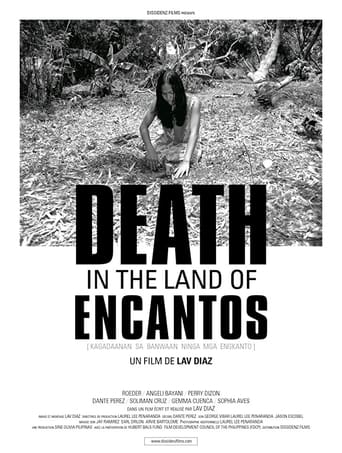
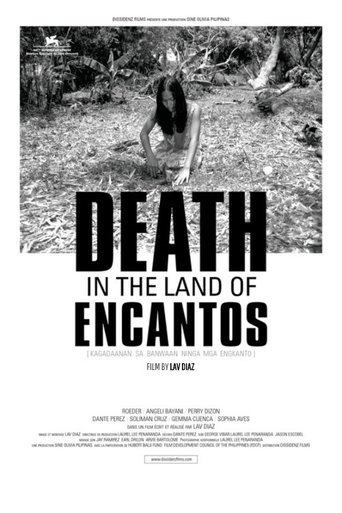 Death in the Land of Encantos · 2015
Death in the Land of Encantos
★ 8.12015
MovieDrama
A poet hearkens back to his Philippine village after years abroad in Europe. Horrified to discover that the community has been buried under landslides, he wanders the countryside, reconnecting with friends, lovers, and family whose lives teeter on the brink of destruction.
 The Woman Who Left · 2016
The Woman Who Left
★ 6.92016
MovieDrama
After three decades' wrongful incarceration for murder, a woman discovers that her friend and fellow inmate committed the murder of which she was accused. This leads to her release and subsequent discovery of the man who framed her — her ruling class ex-lover.
 A Lullaby to the Sorrowful Mystery · 2016
A Lullaby to the Sorrowful Mystery
★ 7.82016
MovieDramaFantasy
Andrés Bonifacio is celebrated as the father of the Philippines Revolution against Spanish colonial rule. This eight-hour epic examines this myth, undertaking an expedition into history through various interwoven narrative threads, held together by an exploration of the individual’s role in history.
Filmography
Sort