Acting
Tally Brown
Born August 1, 1934 · New York, New York
Died May 6, 1989 · aged 54
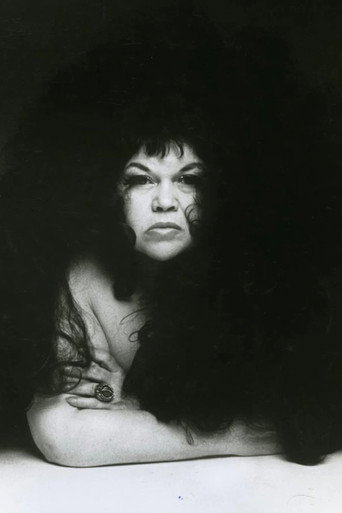
Tally Brown was a singer and actress who was part of the New York underground performance scene, particularly Andy Warhol's "Factory" and who appeared in or was the subject of films by Warhol and Rosa von Praunheim
Known For
 Night of the Juggler · 1980
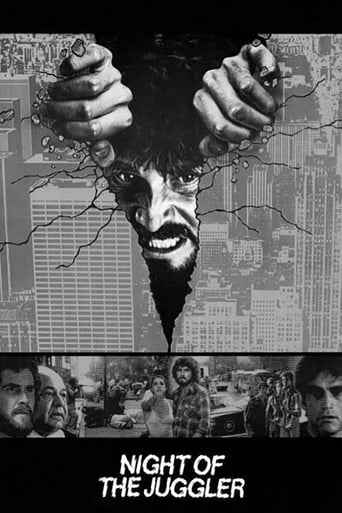
Night of the Juggler
★ 6.81980
MovieActionCrime
When a twisted psychotic kidnaps a young girl, mistaking her for the daughter of a wealthy developer, her father, a hardened ex-cop, doggedly hunts them through New York's seamy streets.
 Brand X · 1970
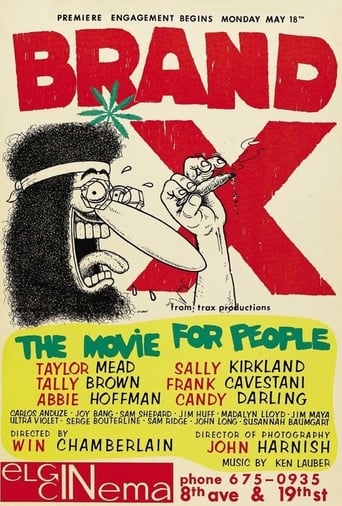
Brand X
★ 4.51970
MovieComedy
In 1969, Taylor Mead complained to his friend artist Wynn Chamberlain that Andy Warhol had never paid him for any of the work he had done for him and Wynn said he would make a film especially for Taylor. Inspired by the banality of 1960's television, Chamberlain wrote and directed Brand X, an 87 minute series of faux television shows spoofing the politics and mass media of the day, complete with commercials for Sex, Sweat, Computer Dating and Peanut Butter. BRAND X follows Taylor Mead through a day in a wacky television studio as he portrays an exercise guru, a talk show host, a veteran returning from the American Civil War, a hospital patient in a soap opera, the President of the United States and a televangelist giving the Nightly Sermon. BRAND X satirizes President Nixon, the Vietnam War, sex, drugs, computers, money and race relations.
 Night of the Dark Full Moon · 1972
Night of the Dark Full Moon
★ 5.01972
MovieThrillerHorror
A man investigates the grisly crimes that occurred in a former insane asylum, unsettling the locals who all seem to have something to hide.
 Batman Dracula · 1964
Batman Dracula
★ 4.61964
MovieThrillerDrama
Batman Dracula is a 1964 black and white American film produced and directed by Andy Warhol, without the permission of DC Comics. The film was screened only at Warhol's art exhibits. A fan of the Batman series, Warhol made the movie as a homage. Batman Dracula is considered to be the first film featuring a blatantly campy Batman. The film was thought to have been lost until scenes from it were shown at some length in the documentary Jack Smith and the Destruction of Atlantis.
 Scarecrow in a Garden of Cucumbers · 1972
Scarecrow in a Garden of Cucumbers
★ 7.01972
MovieDramaComedy
An aspiring actress from Kansas comes to New York and meets a host of zany characters.
 Tally Brown, New York · 1979
Tally Brown, New York
★ 7.51979
MovieDocumentary
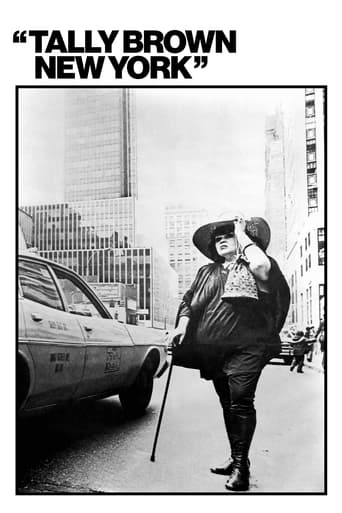
Tally Brown, New York is a 1979 documentary film directed, written and produced by Rosa von Praunheim. The film is about the singing and acting career of Tally Brown, a classically trained opera and blues singer who was a star of underground films in New York City and a denizen of its underworld in the late 1960s. In this documentary, Praunheim relies on extensive interviews with Brown, as she recounts her collaboration with Andy Warhol, Taylor Mead and others, as well as her friendships with Holly Woodlawn, and Divine. Brown opens the film with a cover of David Bowie’s “Heroes” and concludes with “Rock ’n’ Roll Suicide.” The film captures not only Tally Brown’s career but also a particular New York milieu in the 1970s.
 The Art of Crime · 1975
The Art of Crime
★ 8.21975
MovieCrimeDrama
A Romani antique dealer, who is also a private detective, gets involved in a murder case when one of his colleagues is accused of committing the murder.
 1 Berlin-Harlem · 1974
1 Berlin-Harlem
★ 3.01974
MovieDrama
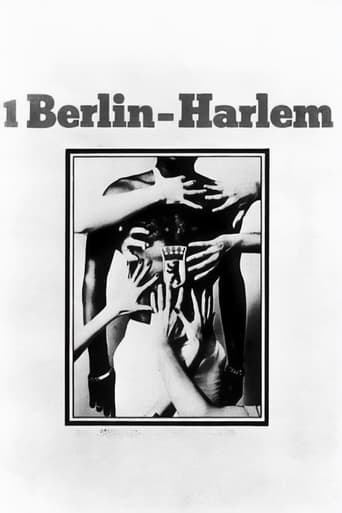
An African-American GI retires from the US Army in West Berlin to live with his white girlfriend, who already has a baby with another black man. After an argument with her family, she deserts him as well. Despite finding a job and a new place to live, he keeps running into racism, which also manifests itself in sexual intimidation.
Filmography
Sort