Directing
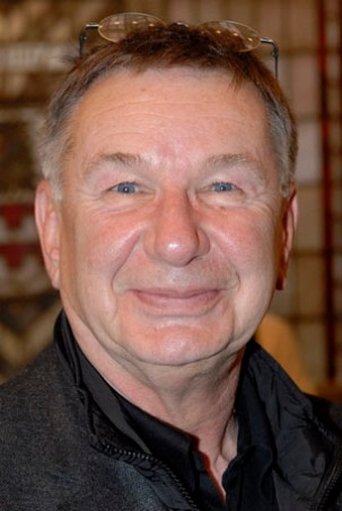
Volker Koepp
Born June 22, 1944 · Stettin (Szczecin), Pomerania (age 82)
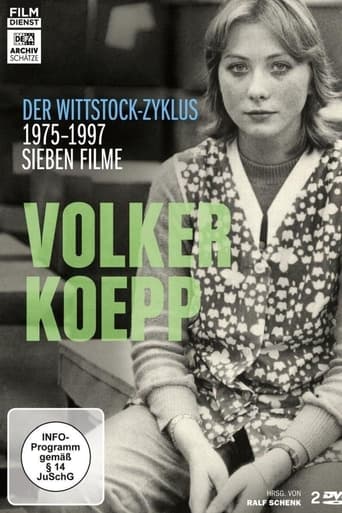
Volker Koepp (born June 22, 1944 in Stettin, Pomerania) is a German documentary film director. In 1975, he began a film series about Wittstock. He gained international recognition with Herr Zwilling und Frau Zuckermann (1999).
Known For
 Sammelsurium - Ein ostelbischer Kulturfilm · 1992
Sammelsurium - Ein ostelbischer Kulturfilm
★ 7.01992
MovieDocumentary
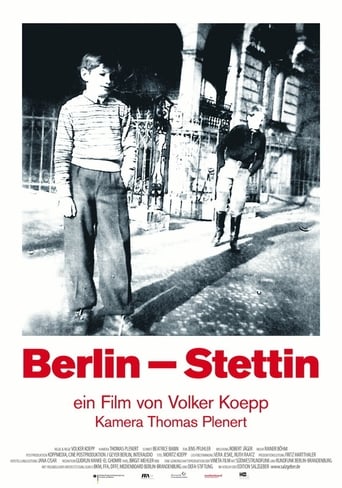 Berlin - Stettin · 2009
Berlin - Stettin
2009
MovieDocumentary
In his film "Berlin-Stettin", well-known documentary film director Volker Koepp embarks on a journey to the places of his own past: Born in 1944 in Stettin (now the Polish city of Szczecin) and grown up in Berlin-Karlshorst, Koepp has again and again met people and found places located between the two cities that he turned into the protagonists of his films – in Brandenburg, in Mecklenburg, and in Pomerania. Now, he once again returns to these places and finds out that his own biography overlaps with the biographies of his found again protagonists as well as with the history of this region. During his search for traces, Koepp at the same time finds new people, new regions, and new themes that are also worth becoming a part of Koepp′s narration.
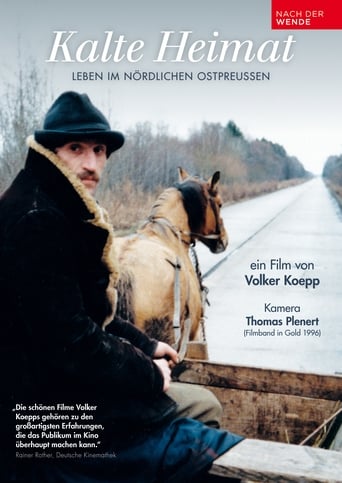 Cold Homeland · 1995
Cold Homeland
★ 7.31995
MovieDocumentary
In this documentary Volker Koepp shows part of the history of Prussia. He begins 700 years ago with the land of the Pruzzen situated between the rivers Weichsel and Memel and proceeds the development of the state.
 Chronos - Flow of Time · 2026
Chronos - Flow of Time
2026
MovieDocumentary
Tracing biographical lines, Volker Koepp steps into his oeuvre, rich in encounters. Returning to Lithuania, Moldova and Chernivtsi, he looks back and brings things up to date, as the war against Ukraine becomes a determining element of the present. Epic.
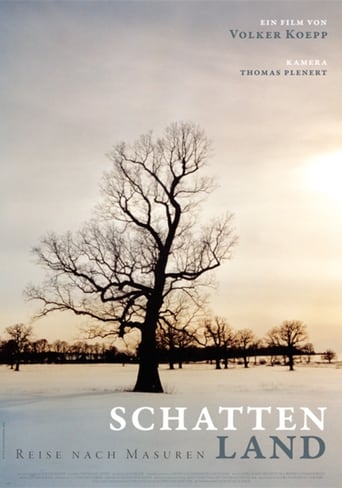 Schattenland - Reise nach Masuren · 2005
Schattenland - Reise nach Masuren
2005
MovieDocumentary
A documentary about Masuria, a province in the northeast of Poland, which is probably the most renowned part of former East-Prussia. Albeit a recent boom in tourism, the sparsely populated region still remains one of the poorest regions in Europe. The impressively photographed film reflects upon the eventful history of this land: It portrays farmers, who struggle to work the barren land; fishermen, who fight for their existence, and Ukrainians, who were once forced to relocate and now return to their old home in the East.
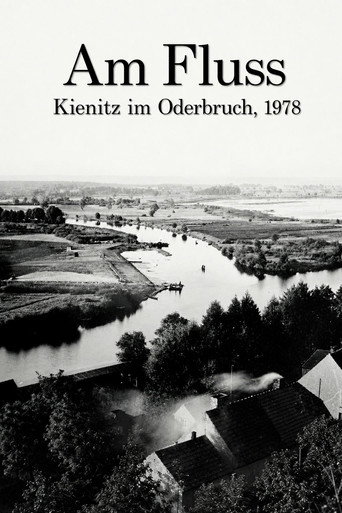 At the River · 1979
At the River
★ 8.01979
MovieDocumentary
A documentary about the village Kienitz at the river Oder, about the people, their life, their history.
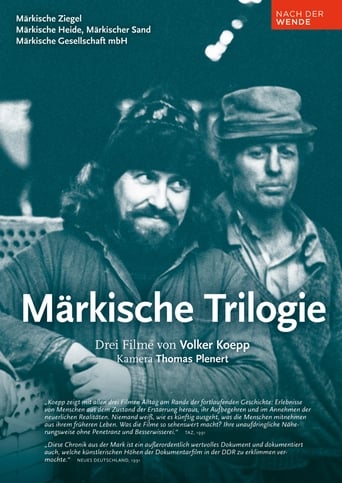 Märkische Heide, Märkischer Sand · 1990
Märkische Heide, Märkischer Sand
★ 9.01990
MovieDocumentary
Volker Koepp revisits Zehdenick and Grüneberg, East Germany. People are struggling with the new political and economical conditions shortly before the German Reunification.
 Mr. Zwilling and Mrs. Zuckerman · 1999
Mr. Zwilling and Mrs. Zuckerman
★ 7.01999
MovieDocumentary
In the west of Ukraine, not far from the border to Romania, there is a faraway European city: Chernivtsi. It was once the centre of Jewish culture in the Bukowina, a border area characterized over centuries by a multi-cultural mixture of peoples. Here, Ukrainians, Poles, Romanians, Germans and Jews lived side by side. Volker Koepp’s film focuses on Mr. Zwilling and Mrs. Zuckermann, two of the last few Jews born in the old Chernivtsi/Czernowitz. They share a friendship but also their love for the German language. Mr. Zwilling visits 90-year-old Mrs. Zuckermann daily in the early hours of the evening. They talk about old times, about shared events, about politics and literature and the worries of everyday life.