Directing
Martha Rosler
Born July 29, 1943 · Brooklyn, New York, USA (age 83)
Martha Rosler (born 1943) is an American artist. She is a conceptual artist who works in photography and photo text, video, installation, sculpture, site-specific and performance, as well as writing about art and culture. Rosler's work is centered on everyday life and the public sphere, often with an eye to women's experience. Recurrent concerns are the media and war, as well as architecture and t…
Known For
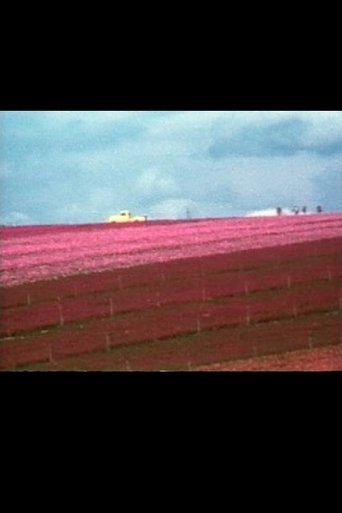 Flower Fields · 1974
Flower Fields
1974
Movie
"This short film was intended to create a colour field painting based on the flower fields that provided the living for so many, mostly undocumented, workers in the area. When the camera closes in on the beautiful colour-striped hillside, the laborers in the field can be seen. Later, in a run up Highway 5, we see the immigration police at their mobile roadblock."
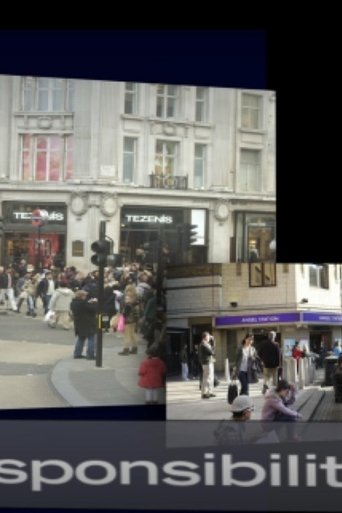 Because This Is Britain · 2012
Because This Is Britain
2012
Movie
A visualization of phrases used by Prime Minister David Cameron during his Oxfordshire speech addressing the events of August 2011. Selected phrases emerge from the stream of his speech, punctuated by images of ordinary passersby, teenagers, youths at a job centre, looters, the Bullingdon Club, ‘riot wombles’ and an Occupy sign.
 How Do We Know What Home Looks Like? The Unité d’Habitation of Le Corbusier at Firminy, France · 1993
How Do We Know What Home Looks Like? The Unité d’Habitation of Le Corbusier at Firminy, France
1993
Movie
Shot in Firminy-Vert, a Le Corbusier Unité, or housing project, in south-central France, this work traces the building’s history through an engagement with the lives of its residents and traces of its past. Called “Le Corbu” after its renowned architect, the complex was built after his death. Here is the space for an unspoken text about architecture and the warring interpretations of Le Corbusier’s idea of what might constitute a human, humane, humanizing space.
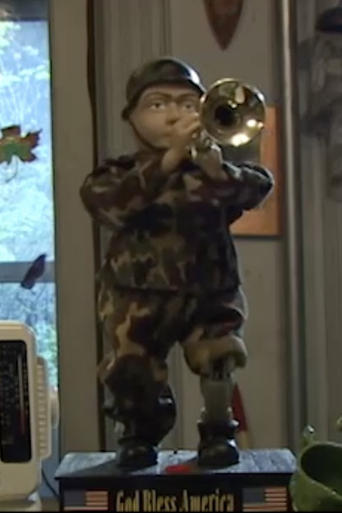 Prototype (God Bless America) · 2006
Prototype (God Bless America)
2006
Movie
A mechanical toy figure dressed as an American soldier bends and sways, playing God Bless America — the sentimental, unofficial, and highly favored national anthem during World War II — on a bugle. The camera pans down, revealing that the toy’s camouflage-clad trouser leg has been rolled up to uncover a mechanism that looks uncannily like a prosthetic limb!
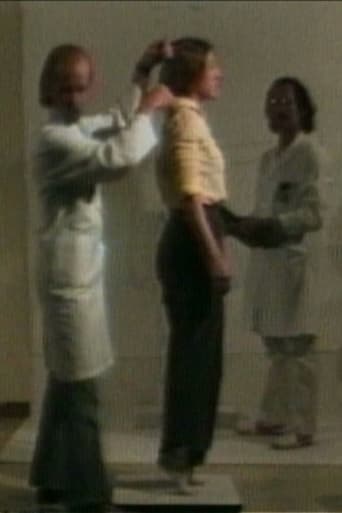 Vital Statistics of a Citizen, Simply Obtained · 1977
Vital Statistics of a Citizen, Simply Obtained
★ 9.01977
Movie
Taking aim at the social standardization enforced particularly on women's bodies, Rosler critiques the politics of "objective" or scientific evaluation that result in the depersonalization, objectification, and colonization of women and Others.
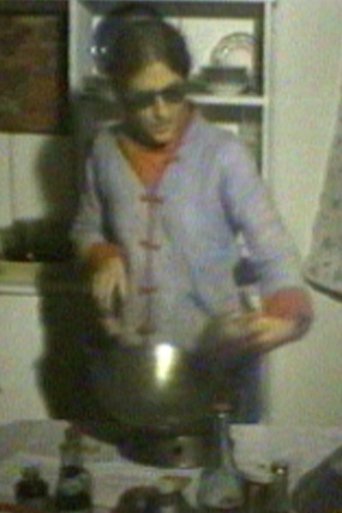 The East Is Red, The West Is Bending · 1977
The East Is Red, The West Is Bending
1977
Movie
Rosler uses the format of a cooking demonstration (as in Semiotics of the Kitchen) to address cultural transaction--the meeting of Eastern and Western cultures. Reading directly from a West Bend Electric Wok instruction booklet, Rosler wryly comments upon the Oriental mystique conjured by the West Bend manufacturers, a mystique evoked and then "improved" upon through Western technology--i.e. non-stick surfaces and electric power. Drawing attention to the choice of the color red on the wok, Rosler, in typical deadpan fashion, raises the bogeyman of Communist China, holding up a pamphlet of Chairman Mao Tse-Tung and saying, "Remember this guy?"
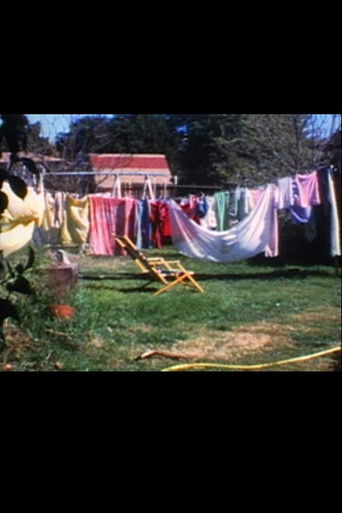 Backyard Economy 1 · 1974
Backyard Economy 1
1974
Movie
Set in the arch-American "home movie" context of a sunny suburban yard, Rosler's early Super-8 film Backyard Economy I documents the products of mundane domestic chores. Silently depicting scenes of laundry hanging out to dry in a suburban backyard, Rosler points up the labor that allows leisure and interrogates its underlying "economy."
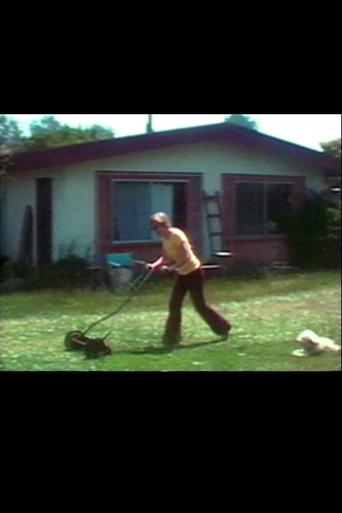 Backyard Economy 2 (Diane Germain Mowing) · 1974
Backyard Economy 2 (Diane Germain Mowing)
1974
Movie
short of a woman mowing a lawn
Filmography
Sort