J
Writing
Jack Yellen
Born July 6, 1892 · Raczki, Poland
Died April 17, 1991 · aged 98
From Wikipedia, the free encyclopedia Jack Selig Yellen (Jacek Jeleń; July 6, 1892 – April 17, 1991) was an American lyricist and screenwriter. He is best remembered for writing the lyrics to the songs "Happy Days Are Here Again", which was used by Franklin Roosevelt as the theme song for his successful 1932 presidential campaign, and "Ain't She Sweet", a Tin Pan Alley standard. Early life and e…
Known For
 Love Is News · 1937
Love Is News
★ 6.31937
MovieRomanceComedy
When a crafty reporter uses false pretenses to get a story out of heiress Tony Gateson, she turns the tables on him, telling the press that they are engaged. Suddenly he's front page news, every salesman is at his doorstep, and he loses his job. A series of misadventures ensues with him alternately back on his job and fired and her ex-fiancé showing up.
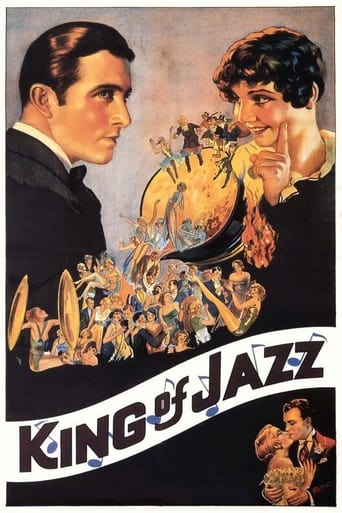 King of Jazz · 1930
King of Jazz
★ 6.41930
MovieMusic
A large-scale revue musical built around Paul Whiteman and his orchestra, presenting a series of musical performances, sketches, and staged tableaux in early two-color Technicolor, emblematic of Hollywood’s early sound-era “all-star” musical productions.
 Hold That Co-ed · 1938
Hold That Co-ed
★ 6.71938
MovieComedyMusic
An egotistical politician believes he can win votes by turning a small college's hapless football squad into a championship team.
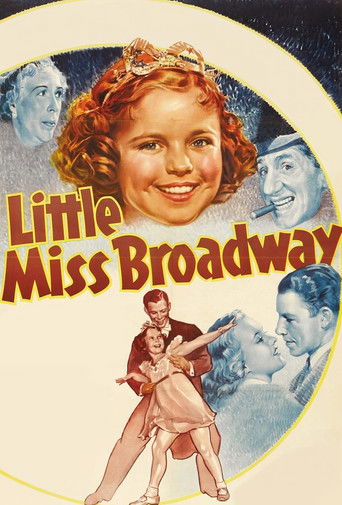 Little Miss Broadway · 1938
Little Miss Broadway
★ 6.51938
MovieDramaFamily
An orphan is provisionally adopted by the manager of a hotel populated by show business people. The hotel's owner doesn't like the entertainers and wants the girl returned to the orphanage.
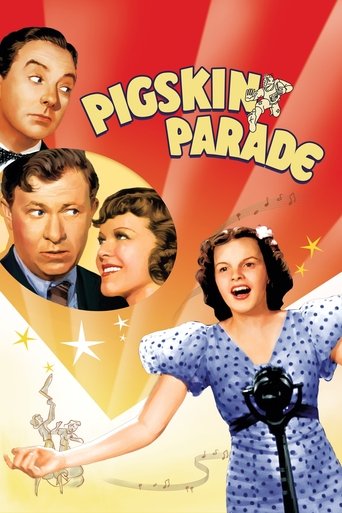 Pigskin Parade · 1936
Pigskin Parade
★ 6.01936
MovieComedyMusic
Bessie and Winston "Slug" Winters are married coaches whose mission is to whip their college football team into shape. Just in time, they discover a hillbilly farmhand and his sister. The hillbilly farmhand's ability to throw melons enables him to become their star passing ace.
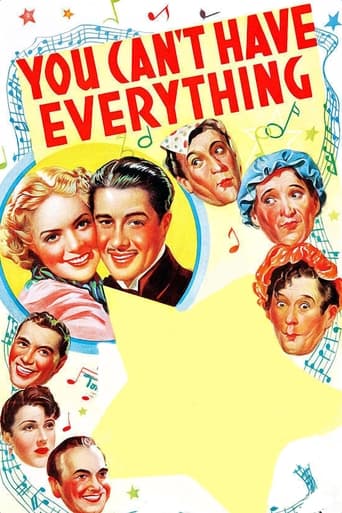 You Can't Have Everything · 1937
You Can't Have Everything
★ 6.51937
MovieComedyRomance
Starving playwright Judith Wells meets playboy writer of musicals, George Macrae, over a plate of stolen spaghetti. He persuades producer Sam Gordon to buy her ridiculous play "North Winds" just to improve his romantic chances, and even persuades her to sing in the sort of show she pretends to despise. But just when their romance is going well, Gordon's former flame Lulu reveals the ace up her sleeve...
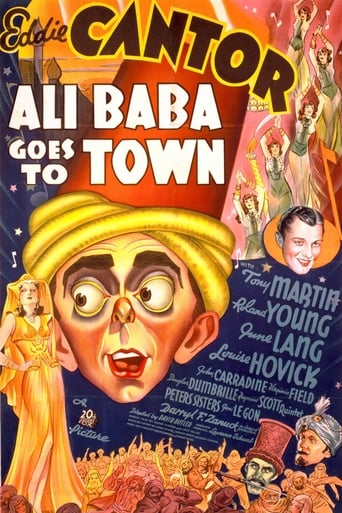 Ali Baba Goes to Town · 1937
Ali Baba Goes to Town
★ 6.01937
MovieComedyFamily
While visiting Hollywood a starstruck movie fan (Eddie Cantor) fantasizes about himself cast in an Arabian adventure. Director David Butler's comedy--with many songs--also features Tony Martin, Roland Young, Gypsy Rose Lee (billed as Rose Hovick), John Carradine, June Lang, Virginia Field, Charles Lane, The Peters Sisters and many big-name guest stars playing themselves.
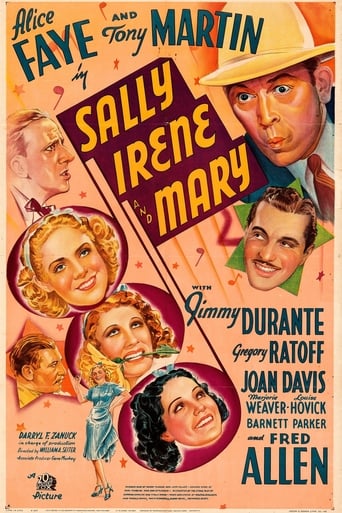 Sally, Irene and Mary · 1938
Sally, Irene and Mary
★ 6.81938
MovieComedyRomance
Manicurists Sally, Irene and Mary hope to be Broadway entertainers. When Mary inherits an old ferry boat, they turn it into a successful supper club.
Filmography
Sort