Writing
Shuntaro Tanikawa
Born December 15, 1931 · Tokyo Prefecture, Japan (age 94)
No biography available.
Known For
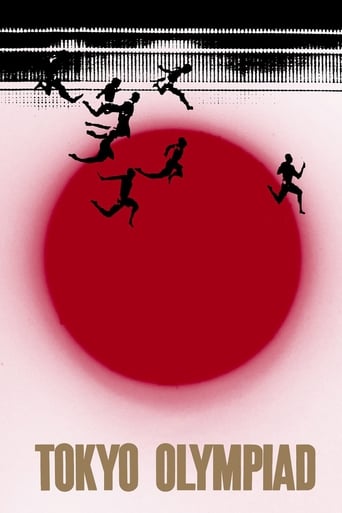 Tokyo Olympiad · 1965
Tokyo Olympiad
★ 7.71965
MovieDocumentary
This impressionistic portrait of the 1964 Tokyo Summer Olympics pays as much attention to the crowds and workers as it does to the actual competitive events. Highlights include an epic pole-vaulting match between West Germany and America, and the final marathon race through Tokyo's streets. Two athletes are highlighted: Ethiopian marathon runner Abebe Bikila, who receives his second gold medal, and runner Ahamed Isa from Chad, representing a country younger than he is.
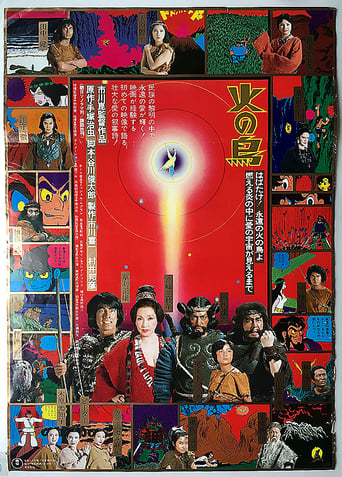 The Phoenix · 1978
The Phoenix
★ 6.11978
MovieAdventureAnimation
This extraordinarily complex film is not only a send-up of every samurai film ever made, it is also an extrapolation of the value of life. The Yamatai, represented by Prince Susano-O and elderly advisor Sumuke, hire Yumihiko of Matsuro to hunt the phoenix so that Queen Himiko, sister of Susano-O can have eteranal life.
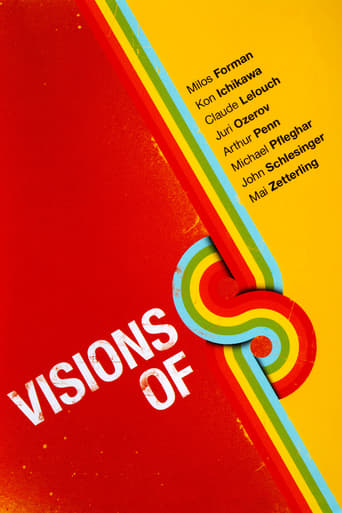 Visions of Eight · 1973
Visions of Eight
★ 7.11973
MovieDocumentary
Eight acclaimed filmmakers bring their unique and differing perspectives to the 1972 Summer Olympic Games held in Munich. The segments include Lelouch's take on Olympic losers and their struggle to remain dignified even in the face of bitter disappointment and defeat; Zetterling's dramatic exploration of the world of weightlifting; and Pfleghar's piece on young Russian gymnast Ludmilla Tourischev's majestic performance on the uneven bars.
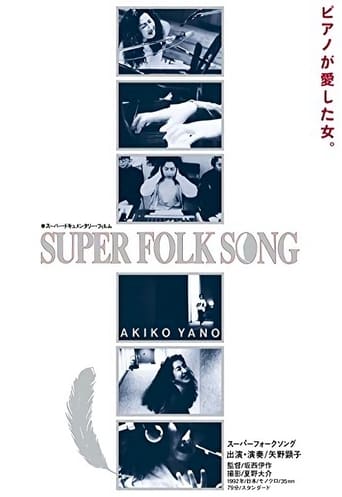 Super Folk Song: Piano ga Aishita Onna · 1992
Super Folk Song: Piano ga Aishita Onna
1992
MovieDocumentaryMusic
A documentary capturing the recording process of singer Yano Akiko's 1992 cover album, Super Folk Song.
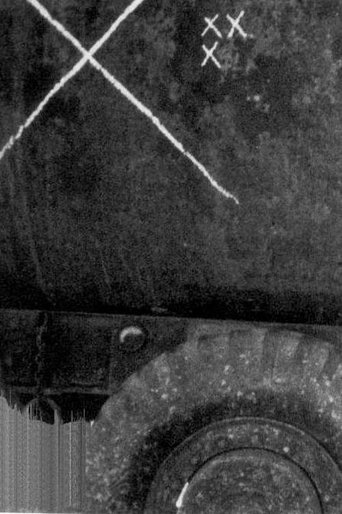 X (Batsu) · 1960
X (Batsu)
1960
Movie
A man marks everything he encounters with an X, from telephone poles to fruit and books he fondles in markets to a woman he pursues who lies on the ground, first clothed, then unclothed. As he caresses her back. he puts X’s along her spine. Later, when he draws an X on a storefront. he is beaten and dragged off by businessmen. The allegorical batsu can be either consent or rejection, or the mark of individualism. putting an identifying (or accepting) mark on the world. A private 16mm neo-Dadaist film made by Shuntaro Tanikawa and Toru Takemitsu, who were passionately talking about movies, with a playful mind. Naozumi Yamamoto, who is also a composer and conductor, writes the "X" sign all the time. At first, the film was planned to compose in jazz, but in the end, the music was completed without being able to be included
 Yah Chayka! · 2008
Yah Chayka!
2008
Movie
Renowned Japanese poet Shuntaro Tanikawa teams with former "rock chick" Wakako Kaku to craft this pensive love story told almost entirely in still photographs. After steering a suicidal man away from the brink of despair, an astronomical observatory worker teaches him her favorite watchword, "Yah Chakya!" ("I, Seagull"). The phrase had once been spoken by the first female cosmonaut, and was the call-sign for the Soviet spacecraft Vostok. But for this woman, the word has taken on greater meaning; not only is it a greeting, but a secret handshake and a symbol of the universe as well. Upon learning the phrase, the man finally finds the strength to go on living.
 To Love Again · 1971
To Love Again
★ 5.01971
MovieDramaRomance
A Japanese girl and a French boy make strides in overcoming the cultural barriers that prevent them from fully expressing the love they have for one another.
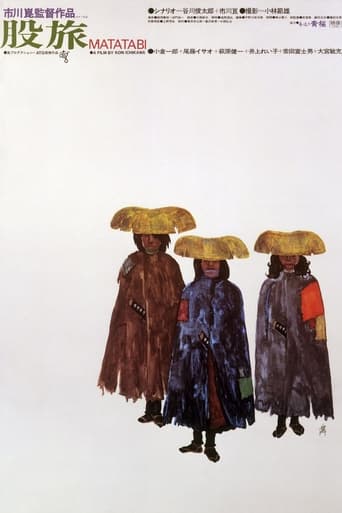 The Wanderers · 1973
The Wanderers
★ 5.31973
MovieDramaComedy
Follows the fluctuating fortunes of three ronin in feudal Japan who wander from castle to castle, selling their services to whichever lord will fill their rice bowls. Though they use the servants' entrance, they still feel themselves bound by the samurai code of Bushido; and this tension leads to tragedy.
Filmography
Sort