G
Directing
Guido Lombardi
No biography available.
Known For
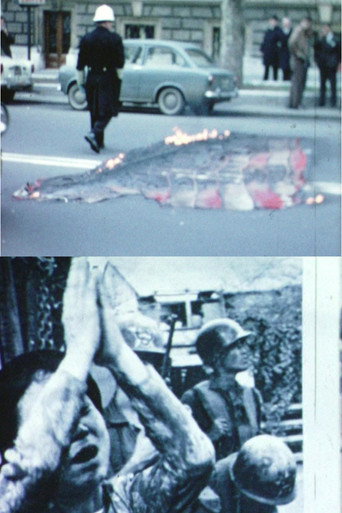 A corpo · 1968
A corpo
1968
Movie
With rapid editing that alternates a wide range of sources through an extensive variety of shooting and editing techniques, A Corpo is a drift through the consumer imagery of the day, in which the body of the single individual corresponds to political struggle, militancy and anti-imperialist engagement against the war in Vietnam. —Tate Modern
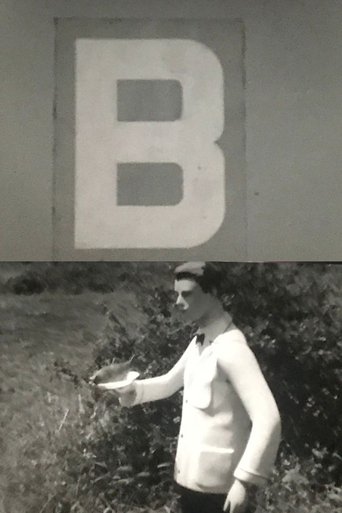 B · 1969
B
★ 7.51969
Movie
Some persons bring chickens and fishes as presents to some actors who are playing, while the Warrior tries the mirror's suicide, but fails in seeing the Death. Outside, chewing-gums are distributed away and the Spring passes by, turning into a little girl. –G. L.
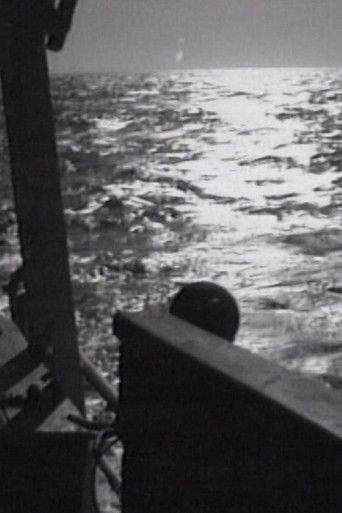 South Atlantic · 2013
South Atlantic
2013
Movie
Video images shot on the ferry with which filmmakers Anna Lajolo and Guido Lombardi travelled to the island of Tristan da Cuhna, the subject of a documentary shot in 1992 for the Italian public television channel RAI.
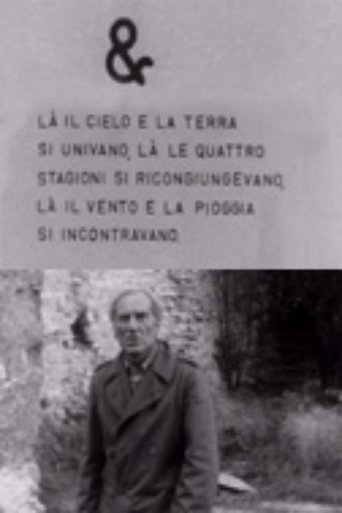 & - Là il cielo e la terra si univano, là le stagioni si ricongiungevano, là il vento e la pioggia si univano · 1972
& - Là il cielo e la terra si univano, là le stagioni si ricongiungevano, là il vento e la pioggia si univano
1972
MovieDocumentary
It is a film about real people who have had and continue to have adversarial relationships with society. These individuals recount dramatic, traumatic personal experiences of flight, emigration, and segregation.
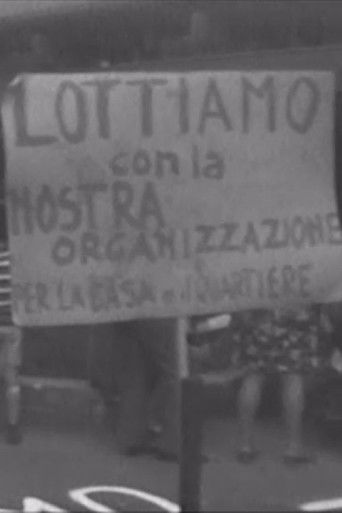 La nostra lotta è l'autoriduzione, la nostra forza è l'organizzazione · 1972
La nostra lotta è l'autoriduzione, la nostra forza è l'organizzazione
1972
Movie
The struggle for housing in Rome, in the area of Magliana. Self-organization is opposed to the mediation of political parties, especially the Communist Party, and emerges as the only way for the emancipation and re-appropriation by the exploited.
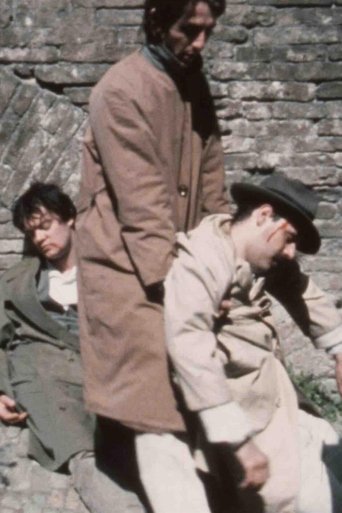 Tutto, tutto nello stesso istante · 1969
Tutto, tutto nello stesso istante
1969
MovieDocumentary
Collective manifesto by the members of C.C.I. It is a collective film, the result of an operation devoid of any aesthetic purpose: to verify the existence of any harmony between a fairly large group (twelve people) of members of the independent Cooperative. Someone, who had the idea, turned 60 meters of Ektachrome according to the moods –or discontent – of the moment and gave them to others to see. The others reacted, each with their own piece. It was then thought to call the film “circular letter”. It was not so simple and so quick: the operation, which started in June of ’68, ended in March of ’69.
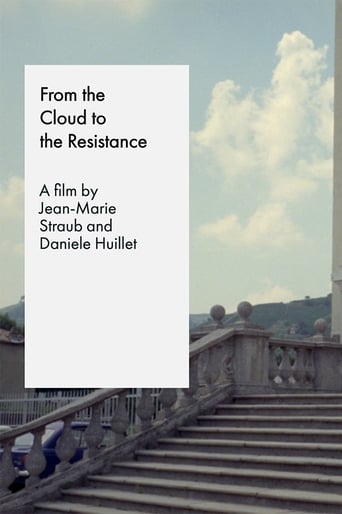 From the Clouds to the Resistance · 1979
From the Clouds to the Resistance
★ 5.31979
MovieDrama
Two segments. The first one arranges six stories from Cesare Pavese’s «Dialoghi con Leucò», taken from classical mythology. The second segment is taken from Pavese’s novel «La luna e i falò»: after World War II the emigrant «The Bastard» comes back to his village in the Langhe (northern Italy) to find out that everyone he knew has died, and that the war has deeply changed relationships between people.
 A · 1969
A
★ 5.71969
Movie
Experimental short by Anna Lajolo and Guido Lombardi.
Filmography
Sort