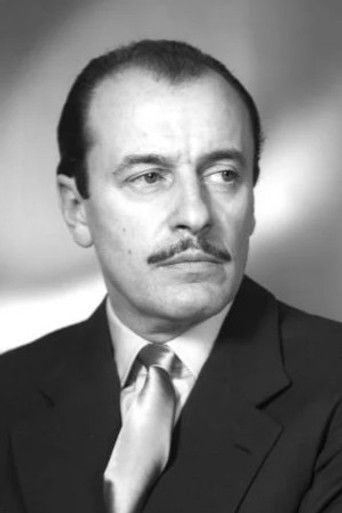
Guido Wieland

Acting

Guido Wieland

Born November 18, 1906 · Vienna, Austria

Died March 10, 1993 · aged 86

No biography available.

Known For
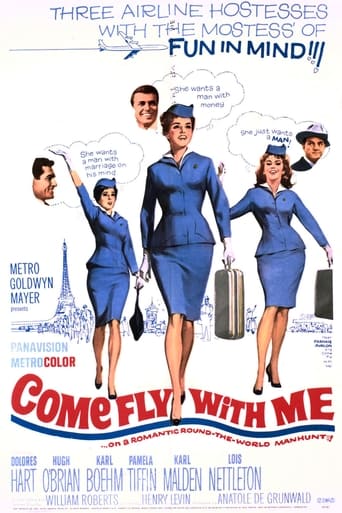
Come Fly with MeCome Fly with Me · 1963
Come Fly with Me
5.01963
MovieComedyRomance
Three airline hostesses combine their work crossing the Atlantic with searching for a rich handsome man to marry.
Am Galgen hängt die LiebeAm Galgen hängt die Liebe · 1960
Am Galgen hängt die Liebe
8.01960
MovieDrama
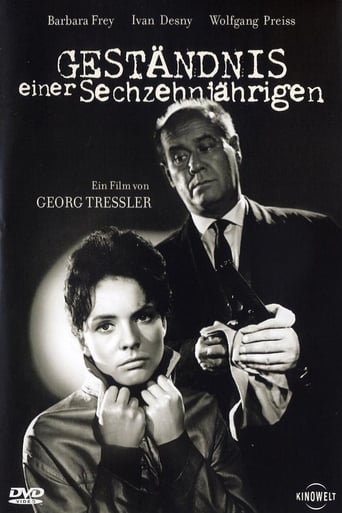
Confessions of a Sixteen-Year-OldConfessions of a Sixteen-Year-Old · 1961
Confessions of a Sixteen-Year-Old
7.01961
MovieDrama
The RefusalThe Refusal · 1973
The Refusal
7.01973
MovieDramaHistory
The story of the last days of Austrian farmer Franz Jägerstätter (1907-43), who was executed by the Nazi regime because of his refusal to compromise with a perverse system.
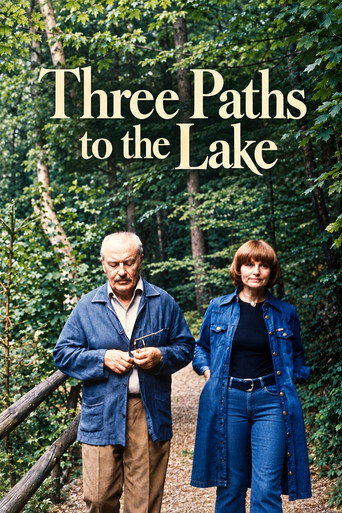
Three Paths to the LakeThree Paths to the Lake · 1976
Three Paths to the Lake
6.11976
MovieDramaTV Movie
Elisabeth, a fifty year old woman, visits her old father in the outskirts of Klagenfurt. There, she reflects about her childhood and her romantic life.
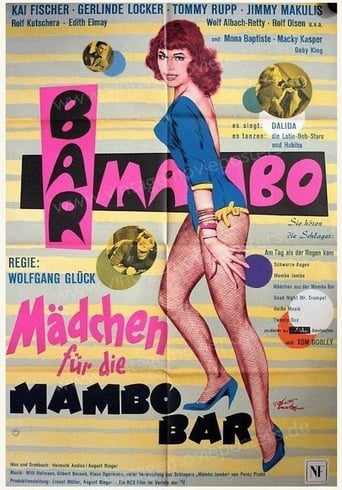
Mädchen für die MambobarMädchen für die Mambobar · 1959
Mädchen für die Mambobar
7.51959
MovieCrime
Eva wants to become a singer and ends up in the Mambo bar, where behind the scenes is traded with other goods than talents.
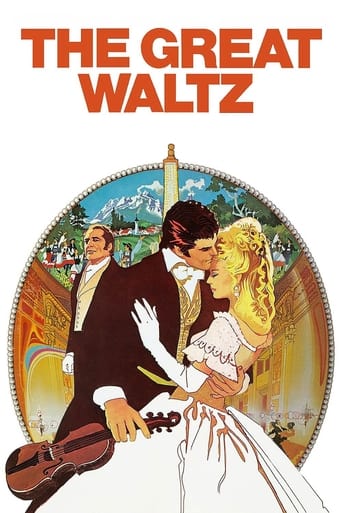
The Great WaltzThe Great Waltz · 1972
The Great Waltz
7.01972
MovieMusicDrama
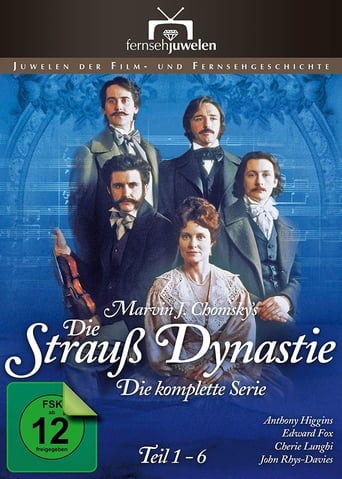
A musical based on the life and music of Johann Strauss, Jr.
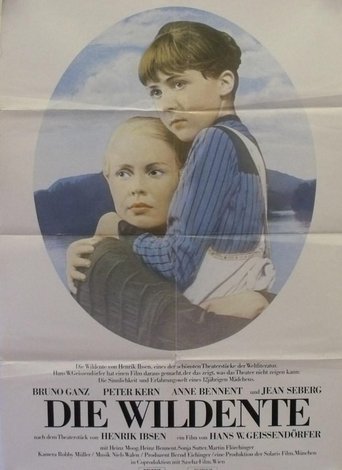
The Wild DuckThe Wild Duck · 1976
The Wild Duck
9.01976
MovieDrama
Consul Werle holds a reception in honour of the homecoming of his son Gregers. At the reception, Gregers meets his childhood friend, Hjalmar Ekdal, who is married to Gina, a former maid of the Werle family. Hjalmar is unaware that Werle had an affair with Gina and that their 14-year-old daughter Hedwig is not his child. Gregers moves in with the Ekdals with the intention of allowing unsuspecting Hjalmar and his family to share in the "happiness of truth". Hedwig is entirely devoted to a wild duck, which lives on a pond outside their house. When Hjalmar learns the truth about his daughter, he wants to leave his family. Gregers advises Hedwig to kill the wild duck so that her father, impressed by this sacrifice, will return home. On the following day, Hedwig's birthday, she doesn't shoot the duck, but shoots herself instead.

Filmography

Sort
The Wild DuckThe Wild Duck · 1976
The Wild Duck
9.01976
MovieDrama
Consul Werle holds a reception in honour of the homecoming of his son Gregers. At the reception, Gregers meets his childhood friend, Hjalmar Ekdal, who is married to Gina, a former maid of the Werle family. Hjalmar is unaware that Werle had an affair with Gina and that their 14-year-old daughter Hedwig is not his child. Gregers moves in with the Ekdals with the intention of allowing unsuspecting Hjalmar and his family to share in the "happiness of truth". Hedwig is entirely devoted to a wild duck, which lives on a pond outside their house. When Hjalmar learns the truth about his daughter, he wants to leave his family. Gregers advises Hedwig to kill the wild duck so that her father, impressed by this sacrifice, will return home. On the following day, Hedwig's birthday, she doesn't shoot the duck, but shoots herself instead.

Pettersen

The First PolkaThe First Polka · 1979
The First Polka
9.01979
MovieDrama
The intertwined lives of people of both Polish and German extraction who live on the pre-World War II border between the two countries are explored in this drama. Valeska is the Polish/German matriarch of a family living on the German side of the border. Her son is involved with the Hitler youth, but nonetheless keeps secret the presence on family land of a Jew who is hiding from the authorities. When the son inadvertently kills a soldier to prevent his sister from being raped, he runs away after borrowing money from the Jewish man. When soldiers come to the family's door looking for the missing soldier who had been billeted there, the Jewish man commits suicide. In another episode, one of the family's daughters marries a German soldier in a ceremony presided over by a Polish priest.

Herr Montag

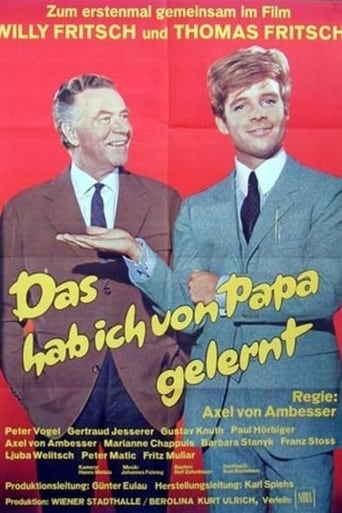
I Learned It from FatherI Learned It from Father · 1964
I Learned It from Father
8.51964
MovieComedy
Clemens Andermann, once a celebrated stage and film star, now an equally successful industrialist, is firmly convinced that his son Andreas is studying chemistry in the idyllic university town of Freylangen. But he is completely mistaken. In reality, his offspring has secretly been hired by theater director Löwe to play Romeo. He would also love to play the role to his stage Juliet, the charming guest star Monika Holl. Then the telegram announcing his father's visit hits like a bombshell. Together with his friend Oskar, Andreas tries to keep the deception going by impersonating his father's doppelganger – an undertaking that initially descends into utter chaos and ultimately leads to a happy ending.

Bankdirector

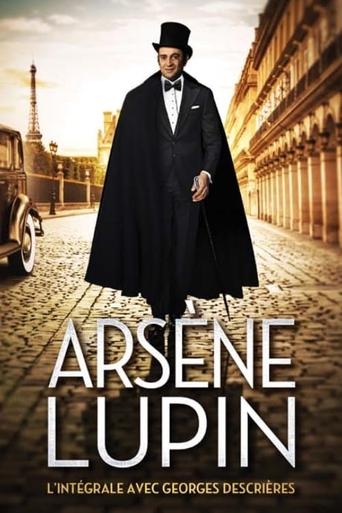
Arsène LupinArsène Lupin · 1971
Arsène Lupin
7.81971
SeriesAction & AdventureDrama
Arsène Lupin is a French TV show which was co-produced with German, Canadian, Belgian, Dutch, Swiss, Italian and Austrian TV stations. It was only loosely based on Maurice Leblancs novels. Georges Descrières' portrayal of Arsène Lupin showed more similarity to Graf Yoster than to Maurice Leblanc's original. He behaved in the first place as a perfect gentleman who never got angry. He was always relaxed, because whatever could possibly had bothered him in daily life was taken care of by his butler. It wasn't questioned how he had come to his financial independence although the series sometimes discreetly implied that he was a professional criminal. Besides rescuing damsels in distress Lupin took on criminals, competing with their wit and intelligence. Either he stole paintings from rich people who had to be considered white-collar criminals or he acted as a detective who derailed criminal schemes. However, when he was attacked, he could defend himself effortlessly by using elegant jujutsu methods. Among the guest stars were German actors such as Günter Strack and Sky du Mont. Jean-Paul Salomé said in his commentary on the DVD version of his film Arsène Lupin he had like this series as a child. German TV, one the investors, would broadcast the show eventually between 18:00-20:00 o'clock because it was only allowed to show commercials within that very timeslot. For them to get a financial return on investment the show had to be appropriate for families and also for children who would watch it alone. Subsequently it was nearby to ask to defuse and flatten some of Leblanc's plots in order to avoid possible complaints that could force the station to broadcast the show beyond the "Vorabendprogramm".

Kovacek