Directing
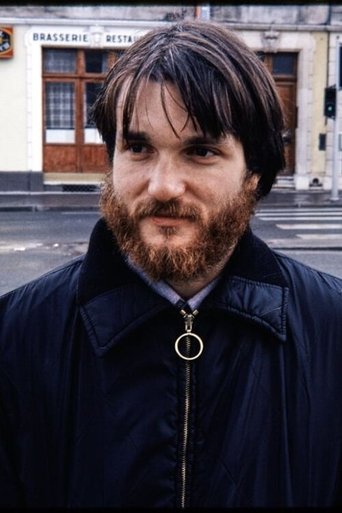
Alain Mazars
No biography available.
Known For
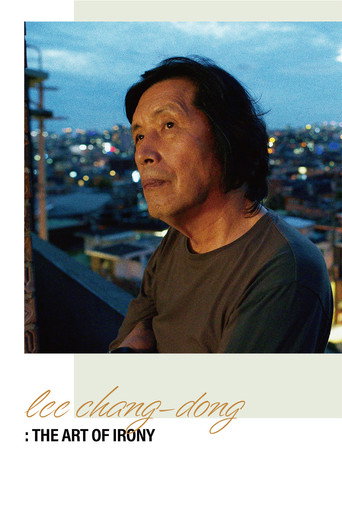 Lee Chang-dong: The Art of Irony · 2023
Lee Chang-dong: The Art of Irony
★ 7.52023
MovieDocumentary
A portrait of the South Korean screenwriter, director and producer Lee Chang-Dong through his work, this documentary provides a thematic analysis of his films, most of which have been selected for and received awards at the Cannes Film Festival.
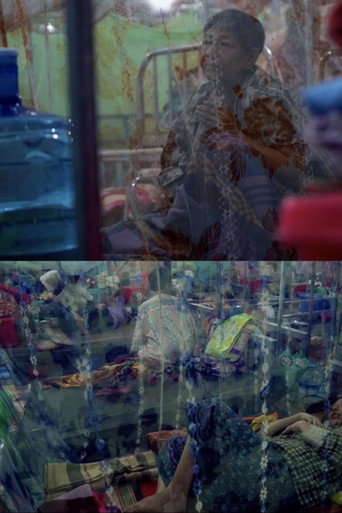 Nocturne Birman · 2026
Nocturne Birman
2026
Movie
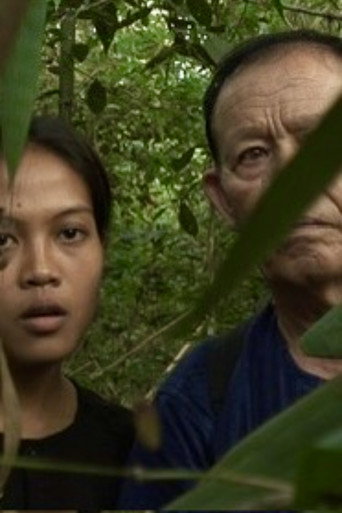
To date, there have been no studies on mental illness in Burma. Today, psychiatry and psychotherapy in Myanmar are still in their infancy. The only two psychiatric hospitals in this country of 56 million people refuse any contact with the media. But I was able to stay as a nursing assistant in a unique facility near Rangoon that is open to all mentally ill people excluded from Burmese society, much like the hospices of old in Europe. Seemingly carrying a message of peaceful coexistence in a country torn by ethnic and religious tensions, this center struck me from the outset as enigmatic and mysterious in its operations. (Alain Mazars)
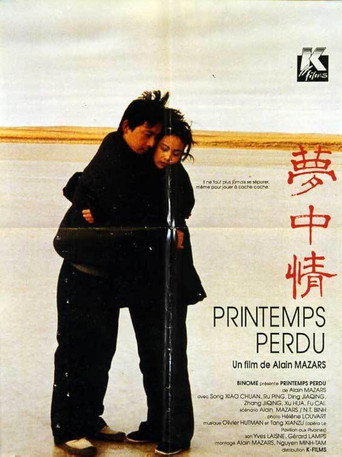 Lost Springtime · 1990
Lost Springtime
★ 6.51990
MovieDramaRomance
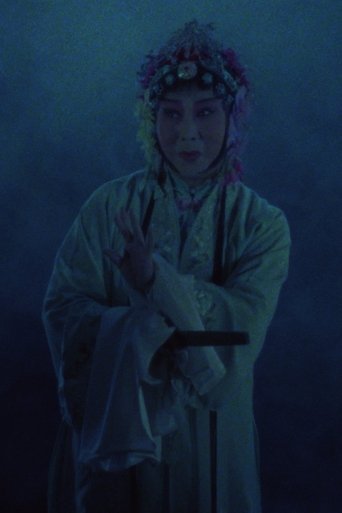
Chinese opera, whether of the Peking variety or not, is a very demanding art-form, requiring decades of study to be even partly mastered. In this film, Yan Yuejun was a Soochow Opera performer who fell afoul of the Cultural Revolution in the 1960s, and who has served his time undergoing compulsory "re-education." Now he is living in Inner Mongolia, driving a truck for a living, which is surely proletarian enough to suit his earlier tormentors.
 Actus · 1986
Actus
★ 6.01986
Movie
A study of Holy Week (Semana Santa) in Seville, Spain.
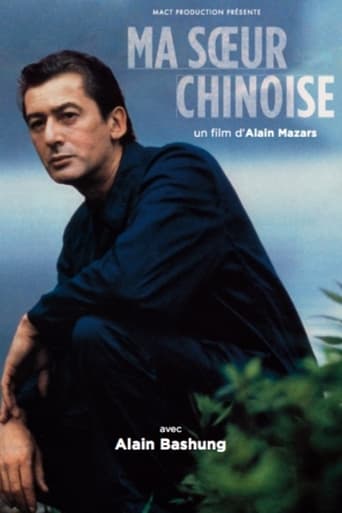 My Chinese Sister · 1994
My Chinese Sister
★ 8.31994
MovieDrama
In 1977, one year after Mao died, a French man ( played by Alain Bashung) comes back to China to work as a school teacher with his daughter. He quickly ignores the interdiction of getting in touch with Chinese people and finds himself drawn into mysterious meetings at the Red Pavilion. MY CHINESE SISTER is a movie about pretense and the mystification of reality.
 Half of Heaven · 2001
Half of Heaven
★ 10.02001
MovieDrama
Anne Laugel, a young divorced woman, mother of a ten-year-old girl, Sophie, travels to China to adopt a baby. She is convinced, as a good Westerner, to carry out this adventure for the happiness of the new born, her daughter and hers.
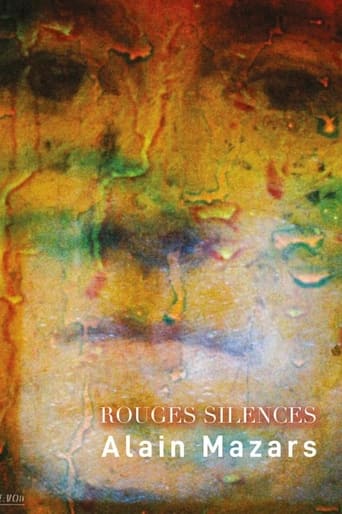 Visages perdus · 1983
Visages perdus
1983
Movie
Special Jury Mention at Hyères International Film Festival in 1983. "When my eyes, closed for an icy terror, opened again, at my side, scented on the canvas, these faces were shaking confusingly."
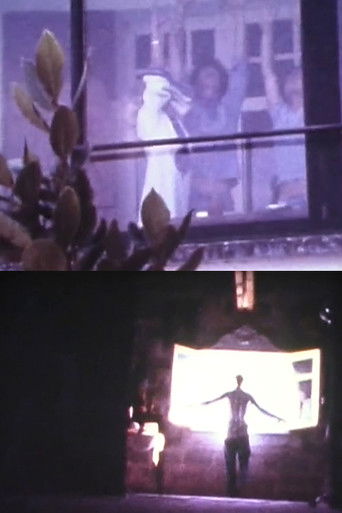 Stagnation · 1977
Stagnation
1977
MovieDrama
A girl uses spiritualism to escape her loneliness and neurasthenia. Inspired by practices more or less close to magic, she tries to create two characters that will be part of herself. She will be able to live without being alone, while fleeing the external reality. But little by little, the two beings that she created appear to be detached from her, as if the figure three could not agree to the harmony of the group. Her fantasies seem to turn against her, increasing her sense of isolation.